World news and discussion on TalkFuse.
Election officials brace for possible Trump interference in the midterms
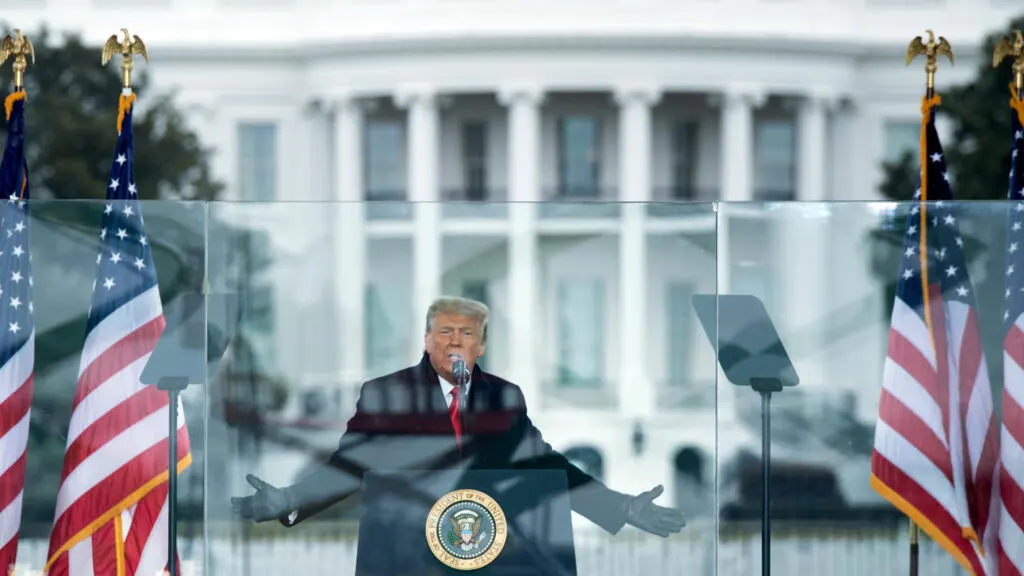
State election officials are preparing for possible interference by President Donald Trump’s administration in the US midterm elections. They fear federal action could disrupt voting, challenge ballot counts or obstruct certification of results that go against the president’s preferences, although the Constitution gives states primary responsibility for administering elections.
The Justice Department sought voter registration data from all 50 states and sued 30 states and Washington, DC; courts rejected more than two dozen cases. The Supreme Court also rejected its demand to set aside ballots from about 20,000 people in California and more than 400 in Washington state over suspected non-citizen voting, which studies describe as exceptionally rare. The department plans to send around 1,000 monitors to polling places nationwide, while the administration has not invited independent OSCE observers, breaking with two decades of precedent.
In short
- State officials fear federal interference in election administration.
- Courts rejected many Justice Department voter-data cases.
- Around 1,000 federal monitors are planned for polling places.
Steelman: both sides, in good faith
The strongest fair case each way — we don't pick a winner.
The case for
Supporters of federal action argue that national oversight can help enforce election laws consistently, protect eligible voters and investigate credible concerns about registration or voting. They may see federal monitors and requests for voter data as legitimate tools for transparency and public confidence, provided they follow court rulings and do not impede lawful voting or certification.
The case against
Critics argue that states have primary constitutional responsibility for running elections, and that broad data demands, unsuccessful lawsuits and polling-place monitoring risk intimidating voters or disrupting administration without evidence of widespread non-citizen voting. They also see the absence of independent international observers as weakening confidence, particularly if federal officials use their authority to challenge valid counts or certification for political reasons.
Explained simply
US midterm elections take place halfway through a president’s four-year term. Voters choose members of Congress, along with state and local officials; these elections can change which party controls Congress and affect what laws the president can pass.
States have primary responsibility for running elections, including registering voters, counting ballots and certifying results. The federal government has some powers to enforce election law, and disputes can be heard in court. Election officials, the Justice Department and the courts therefore all have roles when questions arise about how voting is conducted or results are confirmed.
The Organisation for Security and Co-operation in Europe (OSCE) is an international body that has sent independent observers to US elections. Such observers assess whether voting meets agreed standards; their presence can help provide outside scrutiny and public confidence in the process.
Americas Elections Government Politics World