World news and discussion on TalkFuse.
Arrest powers, criminal trials in absence of accused among proposed changes to Singapore’s haze law
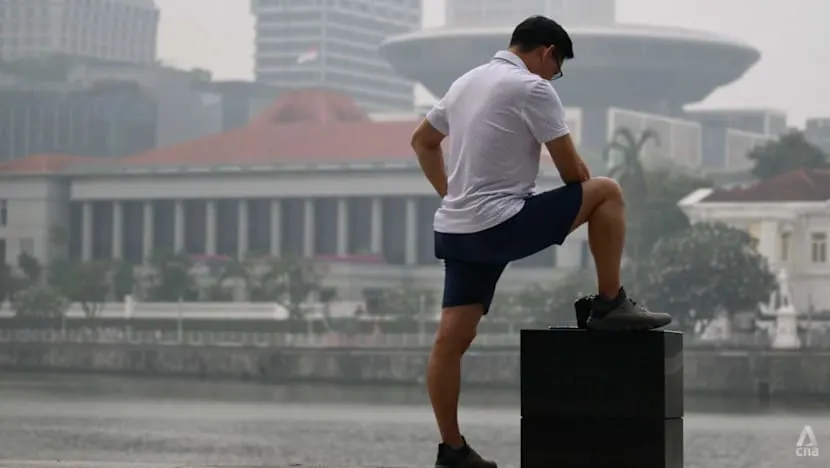
Singapore has proposed changes to its haze law that would give authorities more ways to investigate and pursue people and companies suspected of causing transboundary haze. The government says the changes are intended to prevent overseas entities from avoiding enforcement by staying outside Singapore, while recognising that the country’s powers remain limited across borders.
The bill would make all offences under the Transboundary Haze Pollution Act arrestable and allow courts, in specified circumstances, to hear cases without the accused present. It would also permit electronic service of legal documents and substituted service, including publication in public media or on the environment agency’s website. The proposals followed a haze episode from 4 September to 25 October, when air quality was unhealthy for 33 days and very unhealthy for five; ministers cautioned that legal changes cannot guarantee prosecutions or solve the regional problem.
In short
- Singapore proposes tougher powers under its haze law.
- Courts could hear some cases without the accused present.
- Haze brought unhealthy air for 33 days.
Steelman: both sides, in good faith
The strongest fair case each way — we don't pick a winner.
The case for
Supporters could argue that stronger investigative and court procedures are needed when suspected polluters operate overseas and may otherwise evade Singapore’s existing process simply by staying away. Arrest powers, electronic or substituted service, and hearings in specified cases without the accused could help enforce the law and show that cross-border pollution has consequences, while still leaving Singapore’s limited reach and the regional nature of the problem recognised.
The case against
Critics could argue that expanding arrest powers and allowing trials in an accused person’s absence risk weakening procedural safeguards, especially where someone abroad may face practical barriers to receiving notice or taking part. They could also question whether tougher legal powers will deliver fair, effective enforcement across borders, or instead create overconfidence when Singapore itself acknowledges that prosecutions are not guaranteed and the wider haze problem requires regional action.
Explained simply
Transboundary haze is smoke pollution that crosses national borders, often from land and forest fires. Singapore’s Transboundary Haze Pollution Act is intended to let authorities pursue people or companies outside the country if their activities cause haze pollution affecting Singapore.
The law involves Singapore’s government and courts, its National Environment Agency, and overseas businesses or individuals suspected of causing pollution. Because those suspected may be beyond Singapore’s reach, investigating cases and delivering legal documents can be difficult.
The issue matters because haze can affect public health and air quality across the region, while enforcement depends partly on cooperation across borders. Singapore’s legal powers are limited outside its territory, and changes to its law cannot by themselves prevent haze or ensure that every case can be prosecuted.