Politics news and discussion on TalkFuse.
Democrats sweep the midterms on a wave of rebuke to Trump’s presidency
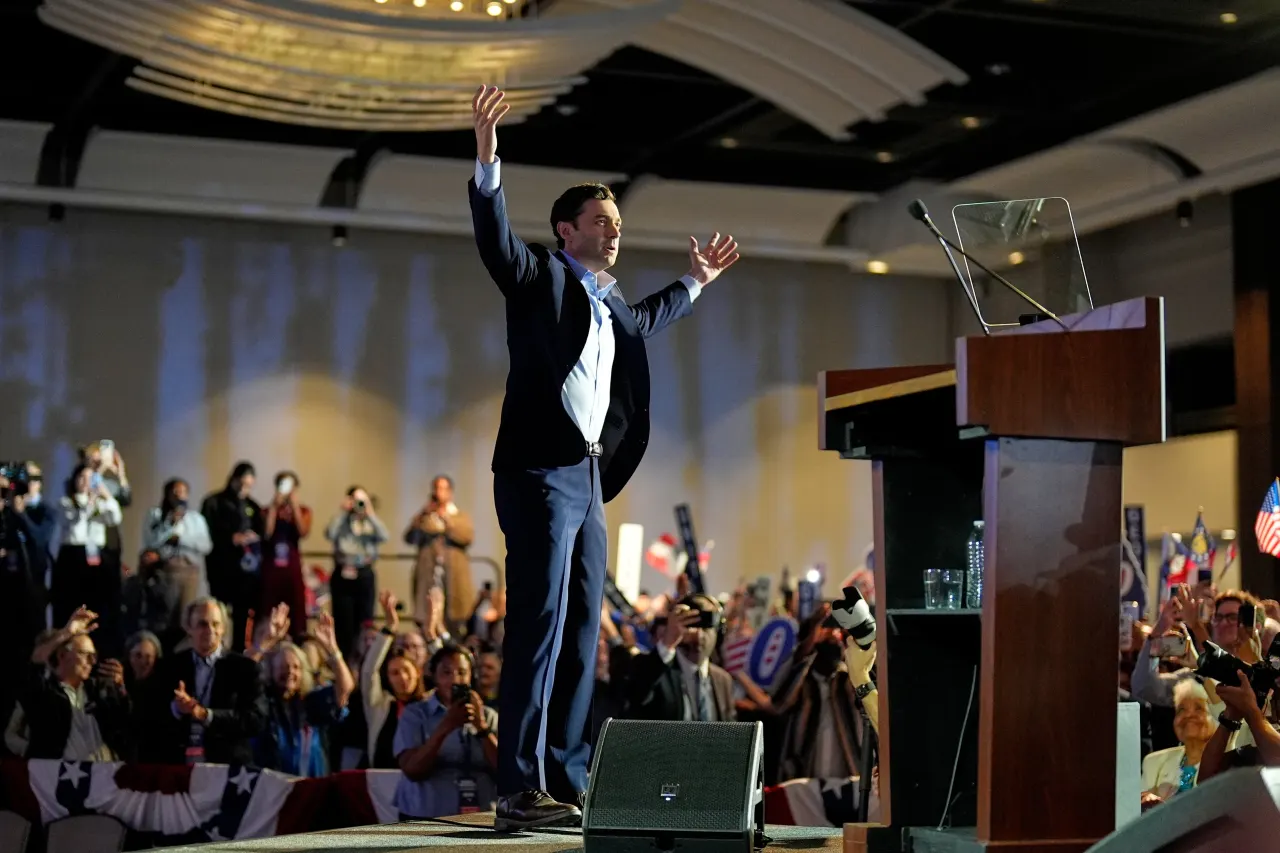
Democrats won control of both the House of Representatives and the Senate in the midterm elections, delivering a major rebuke to President Donald Trump. The result was historically rare: the party in power had lost both chambers in only six previous midterms, and Democrats made gains in states Trump had carried in 2024.
The article links the result to voter frustration over the economy, fuel prices, the war with Iran, corruption and Trump’s conduct. Democrats gained at least 218 House seats and won Senate contests in states including Iowa, Kansas, Ohio, both Carolinas and Maine, where Susan Collins lost after 30 years in office. They also won governorships in Texas and Ohio; in Texas, James Talarico and Gina Hinojosa secured Senate and gubernatorial victories respectively.
In short
- Democrats took control of both chambers of Congress.
- Voters turned against Trump over economic and political concerns.
- Democratic gains included Texas, Ohio and Maine.
Steelman: both sides, in good faith
The strongest fair case each way — we don't pick a winner.
The case for
Democrats can argue that winning both chambers, including in states Trump carried, is a clear democratic rebuke to a presidency many voters judged on its handling of the economy, fuel prices, the Iran war and concerns about corruption and conduct. The scale and breadth of the gains suggest dissatisfaction crossed state and regional lines, giving the new congressional majority a mandate to scrutinise the administration and pursue a different course.
The case against
Republicans can argue that midterm results reflect a mix of local contests, candidate strengths and short-term pressures, so they should not be treated as a settled verdict on the presidency or as endorsement of every Democratic policy. They may also contend that voters concerned about prices or the war want practical remedies, and that control of Congress should not prevent the administration from carrying out the programme voters backed in the presidential election.
Explained simply
Midterm elections take place halfway through a US president’s four-year term. Voters choose all members of the House of Representatives and some senators, as well as governors and other state officials.
Congress has two chambers: the House, where seats are allocated by population, and the Senate, where each state elects two senators. The party that controls each chamber has influence over which laws are considered and can scrutinise the president’s administration, so control of both can affect how easily a president advances their agenda.
Midterms often give voters a chance to register their views on the president and national issues. The economy, fuel prices, foreign conflicts and questions about government conduct can all shape how people vote.
Elections Government Politics World