World news and discussion on TalkFuse.
Bye bye boys! The provocative reason so many moms now only want girls
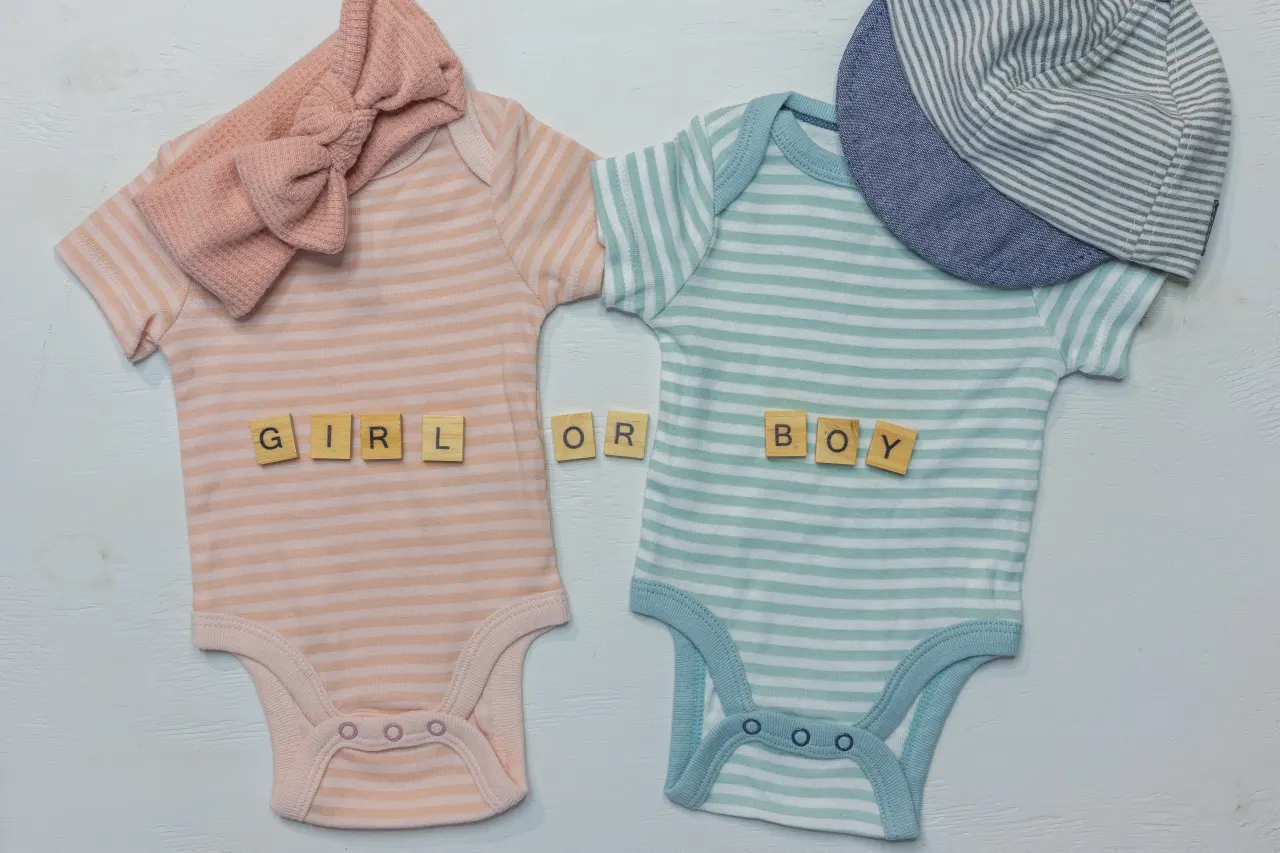
Some parents say they now hope for daughters, reflecting a possible shift in long-standing preferences for boys. The trend is discussed alongside social media videos of “gender disappointment” and debate about masculinity and the challenges of raising sons.
A 2025 Gallup International survey of nearly 45,000 people in 44 countries found that 19% of women preferred a daughter and 12% a son, while about two-thirds had no preference. The article also cites a 2018 Cornell study suggesting the traditional preference for boys was declining, reports that some adoption studies found a strong preference for girls, and says one fertility doctor has noticed more patients seeking daughters through IVF. The account includes parents with mixed feelings: one mother says she still mourns not having a daughter while deeply loving her three sons.
In short
- Survey respondents were more likely to prefer daughters than sons.
- Most women surveyed had no preference.
- Some parents describe complex feelings about family gender expectations.
Steelman: both sides, in good faith
The strongest fair case each way — we don't pick a winner.
The case for
Some parents’ preference for daughters may reflect hopes for a close relationship and a sense that girls face fewer risks from harmful forms of masculinity. The reported survey and examples suggest that, for some families, old preferences for sons are weakening and daughters now feel like the more appealing choice.
The case against
A preference for daughters can rest on stereotypes just as a preference for sons can, and may place unfair expectations on children before they are born. The evidence described is mixed and does not show that most parents prefer girls: about two-thirds had no preference, and individual accounts cannot establish a broad shift.
Explained simply
For generations, some societies have favoured sons, often because men were expected to carry on the family name, inherit property or support parents. Preferences about a child’s sex can vary between families and countries, and many parents have no preference.
The debate touches on how people view masculinity and the expectations placed on boys and men. Social media videos about “gender disappointment” have also made it easier for parents to discuss sadness when a child’s sex differs from what they hoped for.
Some parents say they would now prefer a daughter, while others describe mixed feelings alongside love for their children. The issue matters because it reflects changing family expectations, but individual experiences do not necessarily show what most parents want.