Politics news and discussion on TalkFuse.
Democrats’ close-run victories give them power to scrutinise Trump administration
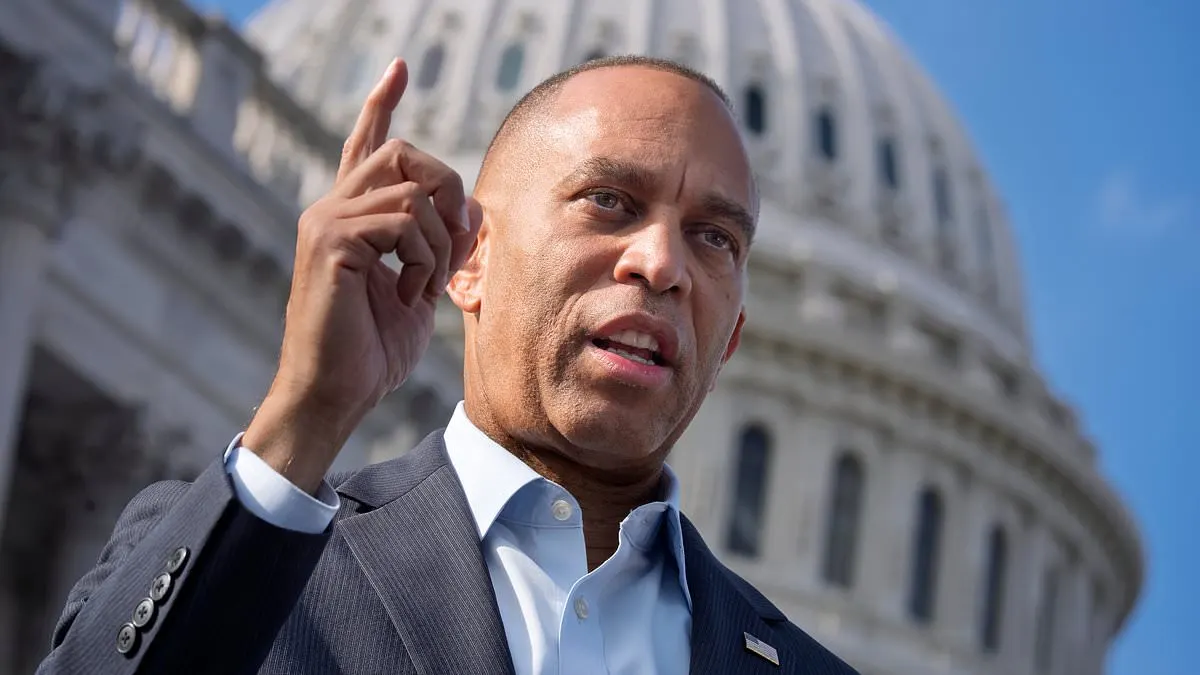
The article says Democrats flipped control of Congress in a wave of close races, giving them new power to investigate the Trump administration and challenge the president during his final two years in office. The change could bring more scrutiny of officials, legislative gridlock and disputes over government spending.
It reports Democratic Senate victories in South Carolina, Maine, Kansas and Ohio, and House gains in states including North Carolina, New Jersey, Pennsylvania and Virginia. In New Jersey, Rebecca Bennett defeated Tom Kean; Elaine Luria reclaimed Virginia’s 2nd District; and North Carolina saw several Republican losses. The article links the results to dissatisfaction with Trump and the rising cost of living, but provides no final national seat tally.
In short
- Democrats have taken control of Congress.
- Senate and House races produced notable Republican defeats.
- The shift gives Democrats subpoena power and greater oversight.
Steelman: both sides, in good faith
The strongest fair case each way — we don't pick a winner.
The case for
Democratic control of Congress gives elected representatives a stronger mandate and practical ability to examine the administration’s conduct, test its claims and hold officials accountable. Supporters may argue that close races still reflect voters’ choices and that vigorous oversight is especially important when one party holds the presidency.
The case against
Critics may argue that turning narrow electoral gains into sustained investigations risks making oversight a tool of partisan conflict rather than a check on specific misconduct. They may also worry that legislative gridlock and spending disputes could impede governing and leave voters’ practical concerns, including the cost of living, unresolved.
Explained simply
The US Congress is made up of two chambers: the House of Representatives and the Senate. Together with the president, Congress makes federal laws, approves government spending and oversees the executive branch, which includes government departments and officials.
Donald Trump is the president, and Republicans are his party. When Democrats hold control of one or both chambers, they can lead congressional committees and use hearings and investigations to examine the administration’s actions. Congress still has to negotiate with the president and the other chamber to pass laws and agree funding, so divided control can lead to disputes and delays.
Read the full article at the source →
Originally published by Daily Mail as “The biggest race upsets that handed Democrats sweeping control of Congress… resulting in these new lawmakers who will be a thorn in Trump’s side”.