World news and discussion on TalkFuse.
Court hears Palestine Action ban challenge compared with suffragette tactics
Developing story first seen 3 hours ago
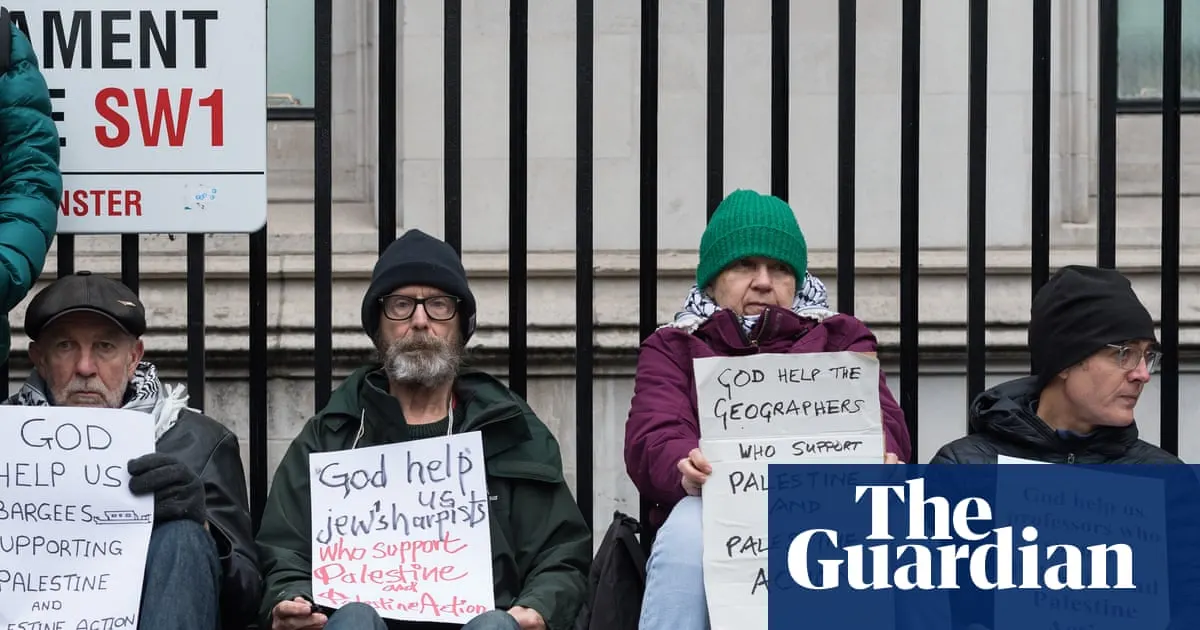
On the first day of Huda Ammori’s appeal at the Supreme Court, her lawyer compared Palestine Action’s tactics with those of the suffragettes and other protest movements, arguing that the group’s ban unfairly restricts speech and protest. The case challenges the decision to proscribe Palestine Action as a terrorist organisation, placing it alongside groups including al-Qaida and Boko Haram.
The Home Secretary’s lawyer defended the ban as lawful and proportionate, citing convictions linked to a raid on an Elbit Systems factory near Bristol, including one for grievous bodily harm, and US sanctions against the group. He said proscription does not prevent support for Palestinians or demonstrations against Israel or Elbit. At least 25 people were arrested during a protest outside the court; the hearing is due to conclude on Thursday, with judgment expected later.
- Sources
- 2
- Outlets
- 2
- Left · Centre · Right
- 2 · 0 · 0
In short
- Palestine Action’s co-founder is challenging the group’s proscription at the Supreme Court.
- Her lawyer compared its tactics with those of the suffragettes.
- The government defended the ban, citing convictions and US sanctions.
How this story developed
- 7 minutes ago Huda Ammori, co-founder of Palestine Action, is challenging the UK government’s decision to proscribe the group as a terrorist organisation.
- 16 minutes ago On the first day of Huda Ammori’s appeal at the Supreme Court, her lawyer compared Palestine Action’s tactics with those of the suffragettes and other protest movements, arguing that the group’s ban unfairly restricts speech and protest.
Steelman: both sides, in good faith
The strongest fair case each way — we don't pick a winner.
The case for
A ban on Palestine Action as a terrorist organisation may impose an unjustifiably severe limit on political speech and protest, particularly if less restrictive measures could address unlawful acts. The comparison with past protest movements raises a question of consistency: disruptive or extreme tactics have not always led to proscription, and lawful criticism of the group’s targets or support for Palestinians should remain protected.
The case against
The government can argue that proscription is a lawful, proportionate response to the seriousness of conduct linked to the group, including convictions arising from an action at an Elbit Systems factory. On this view, the measure targets the organisation rather than political advocacy: people remain free to support Palestinians and protest against Israel or Elbit, while the state has a duty to respond to conduct it considers sufficiently dangerous.
Coverage · 2 sources
Bias meters
From 2 rated sources.
Read the full article at the source →
Originally published by The Guardian as “Palestine Action activists used similar tactics to the suffragettes, court told”.