Business news and discussion on TalkFuse.
‘You Don’t Put Your Head in the Sand for 4 Years’: Colossal CEO Ben Lamm on Working With Trump
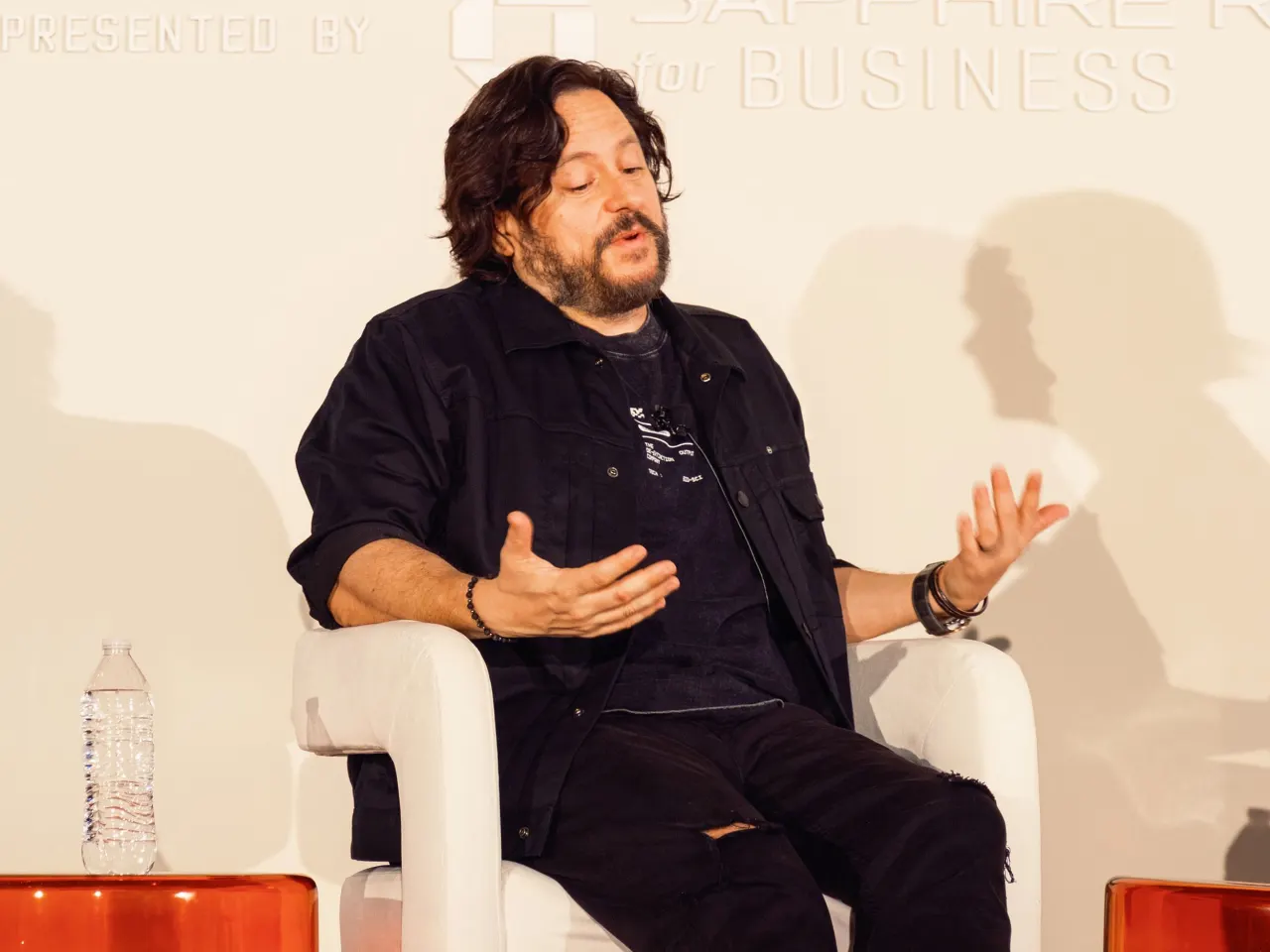
Colossal Biosciences chief executive Ben Lamm defended working with the Trump administration on collecting and storing DNA from endangered species, arguing that urgent threats to wildlife make engagement worthwhile. The initiative has drawn criticism from conservationists, who say de-extinction projects could distract from protecting living species or weaken support for conservation policies.
Colossal raised $230 million last year at a $10.2 billion valuation and is reportedly seeking a new round at $20 billion to $30 billion. Lamm said the company has made 130 gene edits towards its mammoth project, though it will miss its original 2028 target; critics argue its dire wolves are genetically very similar to grey wolves and that its claims overstate what it has achieved. Colossal also has ventures in plastic-degrading microbes and genetically enhanced working dogs, while Lamm ruled out developing a megalodon.
In short
- Lamm says Colossal should engage with the Trump administration on wildlife biobanking.
- Conservationists warn de-extinction could distract from protecting endangered species.
- The company will miss its 2028 mammoth target and has made 130 gene edits.
Steelman: both sides, in good faith
The strongest fair case each way — we don't pick a winner.
The case for
Engaging with the administration could help secure funding, access and practical support for collecting and storing endangered species’ DNA, even when wider political disagreements remain. With wildlife facing urgent threats, supporters can argue that preserving genetic material and pursuing biotechnology research are worthwhile additions to conservation, provided they do not replace protection of species and habitats.
The case against
Conservationists can argue that working with the administration risks lending credibility to choices that may weaken conservation policy, while high-profile de-extinction projects draw attention and resources from protecting species alive today. They may also question whether ambitious claims and valuations are matched by demonstrated results, making it especially important to scrutinise the initiative’s conservation benefits and opportunity costs.