Business news and discussion on TalkFuse.
‘How can prices fall when there’s nothing left?’ TeamGroup CEO reckons supply-demand memory equilibrium may not happen until late 2028 at the earliest
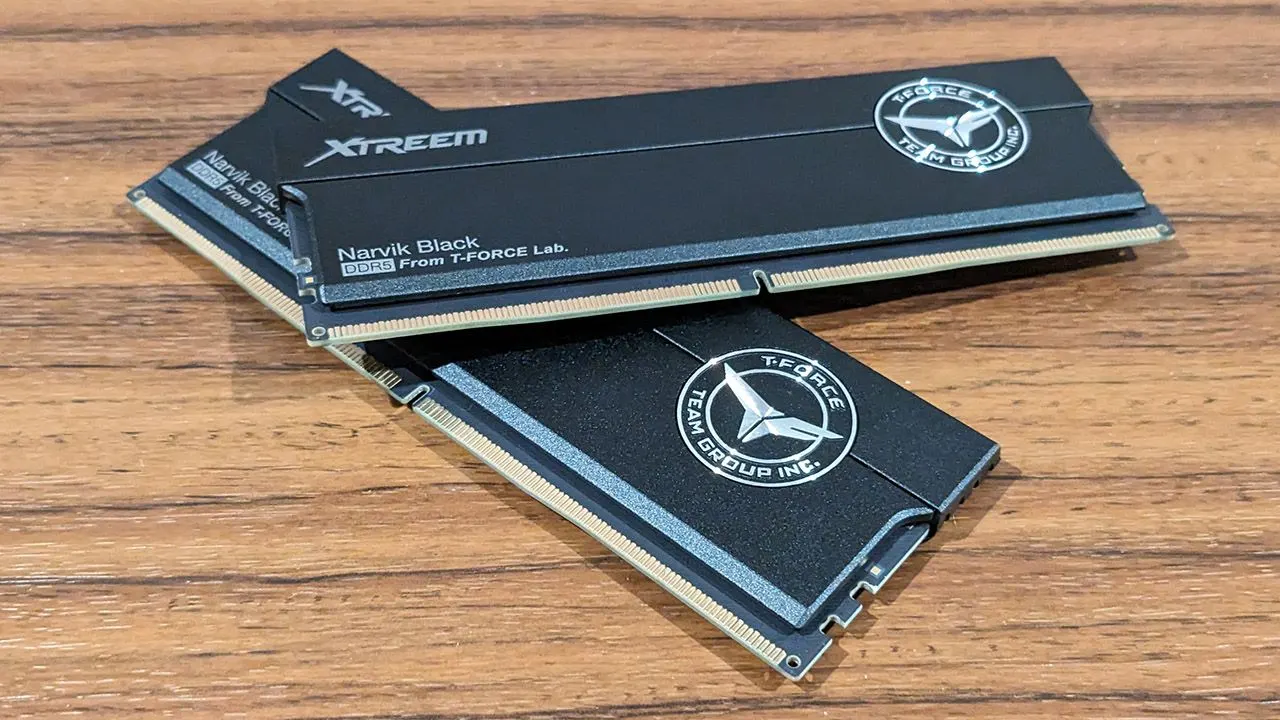
TeamGroup chief executive Chen Ching says the memory shortage could worsen before it eases, with no fall in prices expected during 2027. He warns that buyers may eventually be unable to find DRAM even at high prices, as demand continues to outstrip supply.
The company reported record quarterly revenue of NT$10.139 billion, about US$308 million, up 34% from the previous quarter. Two thirds of TeamGroup’s business now comes from sales to data centres and other businesses, compared with a quarter previously; Chen says supply and demand may not balance before the second half of 2028, or later.
In short
- TeamGroup expects memory prices to stay high through 2027.
- DRAM supply may remain short until late 2028 or beyond.
- Two thirds of TeamGroup’s business now serves other businesses.
Steelman: both sides, in good faith
The strongest fair case each way — we don't pick a winner.
The case for
If demand for memory keeps outpacing production, prices may stay high and shortages could deepen until manufacturers can expand supply; buyers may then struggle to obtain DRAM even at elevated prices. From this perspective, Chen’s warning reflects the time and investment needed to bring capacity into line with fast-growing demand, particularly from data centres.
The case against
A shortage forecast is uncertain: demand, production capacity and investment plans can change, and the reported figures describe TeamGroup’s business rather than the whole market. Buyers could also adjust spending or find substitutes, while additional production may come on line sooner than expected, easing prices before late 2028.
Explained simply
DRAM is a type of memory used in computers, servers and other devices to hold data while they are in use. Data centres, which power online services and artificial intelligence systems, use large amounts of it, alongside makers of personal computers and other electronics.
TeamGroup is a Taiwanese supplier of memory products, and its chief executive, Chen Ching, has described a market where demand is greater than the available supply. When buyers compete for limited stocks, prices can remain high; if the shortage deepens, some buyers may struggle to obtain memory even if they are willing to pay more.
The balance between supply and demand matters to businesses that need memory to build or expand their products and services. It can also affect costs and availability for consumers buying computers and other electronics.