Politics news and discussion on TalkFuse.
Fetterman’s power dissipates, along with other margin-riders
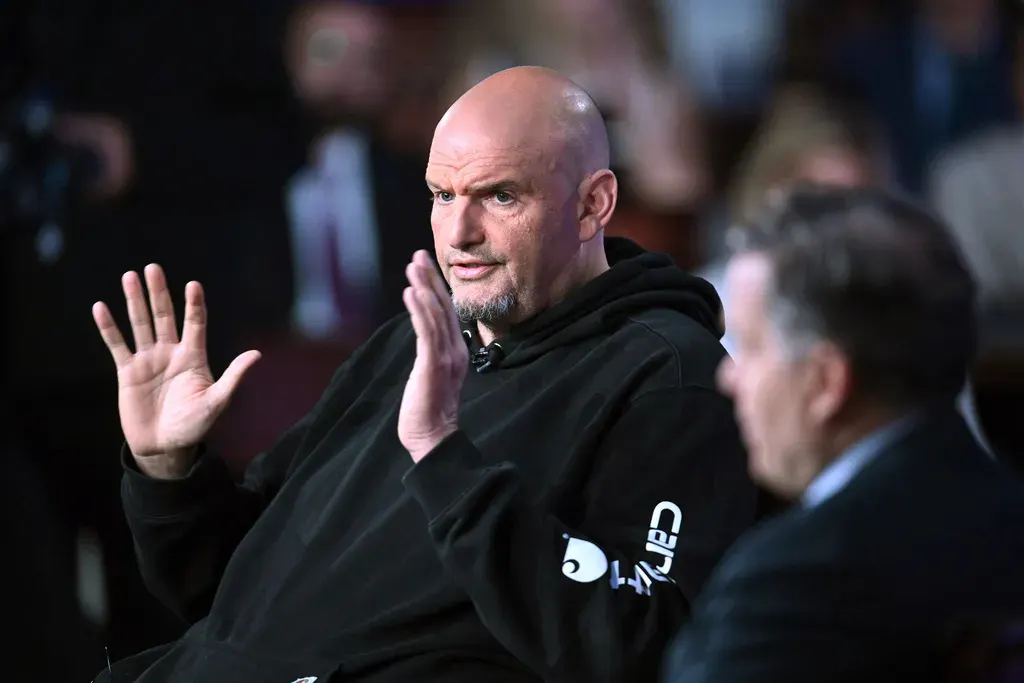
Democratic senators who have sometimes broken with their party are expected to have less influence in the next Congress, as Democrats have won at least 54 Senate seats. With a wider majority, party leaders may be able to pass legislation without the support of centrist or progressive outliers, reducing the leverage of senators such as John Fetterman.
Fetterman has supported Israel funding, government funding during shutdowns and Markwayne Mullin’s nomination as Homeland Security secretary, despite disagreement among many Democrats. Angus King, Maggie Hassan and Jacky Rosen have also crossed party lines on some votes, while the article says progressive voices such as Bernie Sanders could likewise carry less weight. Alaska and Mississippi remained undecided: Scott Colom led Cindy Hyde-Smith by 43 votes with 96% counted, while Mary Peltola led Dan Sullivan by 626 votes with 74% counted.
In short
- Democrats have won at least 54 Senate seats.
- A wider majority could reduce maverick senators’ leverage.
- Alaska and Mississippi races remained undecided.
Steelman: both sides, in good faith
The strongest fair case each way — we don't pick a winner.
The case for
A larger Democratic majority could give party leaders more room to advance legislation without relying on a small number of senators who often demand concessions. Supporters may see this as a chance to govern more efficiently and deliver on the party’s programme, while leaving individual senators free to vote according to their constituents’ interests.
The case against
Even a sizeable majority benefits from debate and negotiation, and senators who cross party lines or represent different wings can expose weaknesses in proposals and broaden their appeal. Reducing their influence could concentrate power among party leaders, sideline regional or ideological concerns, and make legislation less representative of the party’s voters.
Explained simply
The Senate is one of the two chambers of the US Congress, where lawmakers debate and vote on national laws, spending and government appointments. Senators serve six-year terms, and the balance of seats between the two main parties affects how easily each can advance its priorities.
Party leaders often need support from senators whose views differ from their colleagues’. John Fetterman of Pennsylvania is a Democrat who has backed some measures opposed by many in his party; Angus King, Maggie Hassan and Jacky Rosen have also crossed party lines on some votes. Progressive Democrats, including Bernie Sanders, can also disagree with party leaders.
When a party has more seats, its leaders may be less reliant on individual senators to pass legislation, which can reduce those senators’ influence. The Senate’s rules and the level of agreement within the party still shape how much support a proposal needs.