Technology news and discussion on TalkFuse.
Motorola Wants to Sell You a $1,600 Phone That Doesn’t Fold
Developing story first seen 3 hours ago
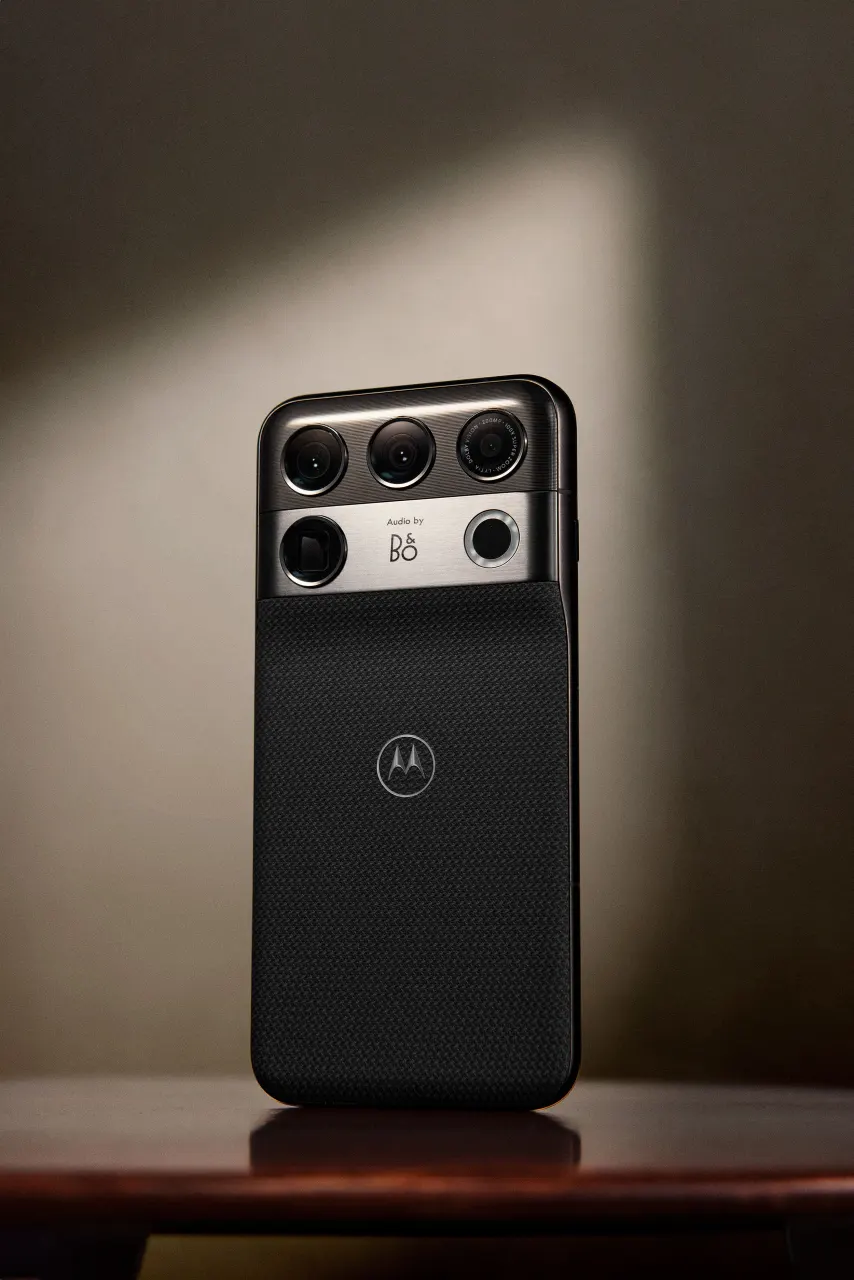
Motorola is entering the US ultra-premium market with the Signature 27, a $1,600 conventional smartphone aimed at competing with top-end iPhones and Samsung Galaxy models. Preorders open on 19 November, with sales beginning on 26 November.
The phone has a 6.8-inch tandem OLED screen, 12 GB of RAM and 512 GB of storage. Its cameras include a 50-megapixel Sony main sensor, a 200-megapixel periscope camera and a dedicated sensor intended to reduce motion blur; Motorola’s claim of 12,000-nit peak brightness should be treated cautiously, as such figures may apply only to small areas of the display.
- Sources
- 2
- Outlets
- 2
- Left · Centre · Right
- 0 · 0 · 0
In short
- Motorola is launching a $1,600 non-folding flagship in the US.
- Preorders begin on 19 November; sales start on 26 November.
- Its headline display brightness claim may apply only to small areas.
How this story developed
- 2 hours ago Motorola is entering the US’s ultra-premium smartphone market with the Signature 27, a $1,600 handset that does not fold.
- 2 hours ago Motorola is entering the US ultra-premium market with the Signature 27, a $1,600 conventional smartphone aimed at competing with top-end iPhones and Samsung Galaxy models. Preorders open on 19 November, with sales beginning on 26 November.
Full account
Motorola is entering a higher price tier in the United States with the Signature 27, a premium smartphone without a folding screen. At $1,600, it sits alongside the most expensive conventional phones and close to Motorola’s own large foldable. Pre-orders are due to open on 19 November, with sales beginning on 26 November. The launch fills a gap in the company’s US range: its previous effort at this level was the Edge+ in 2020, while its recent top-priced models have been foldables.
The Signature 27 has a 6.8-inch OLED display with a 120Hz refresh rate and tandem panels, a design that stacks OLED layers to improve brightness and efficiency. Motorola claims a peak of 12,000 nits, though that headline figure may apply only to limited areas of the screen in particular conditions. The panel also has 1.5K resolution, Dolby Vision and Pantone colour calibration. The phone’s materials include metal, ceramic and glass, with textured backs in Capulet Olive or Coal Smoke. It has an IP68/69 dust and water-resistance rating.
The camera system combines a 50-megapixel main sensor, a 50-megapixel ultra-wide camera and a 200-megapixel periscope telephoto lens with 3x optical zoom and up to 100x digital zoom. Motorola says the main sensor’s light-handling technology should help retain detail in difficult lighting. A separate event-based vision sensor is intended to detect movement and support an Action Shot mode, which can activate automatically or be selected by the user. The approach addresses a longstanding challenge for the company’s cameras: capturing moving subjects clearly.
The reported specifications also include 12GB of memory and 512GB of storage, alongside Qualcomm’s Snapdragon 8 Elite Extreme Gen 6 chip. A 7,000mAh silicon-carbon battery is mentioned in one report, although the available account cuts off before giving further battery details. Taken together, the hardware is intended to position Motorola against top-tier iPhone and Samsung models. Whether the display claims and motion-sensing camera features deliver a practical advantage remains to be seen; one outlet notes it has not yet assessed the screen in person.
Where outlets differ
From the full account, which is AI-written from the sources:
The reports frame the launch differently: one calls it Motorola’s first uncompromising premium non-folding phone in the US in six years and compares its design with Apple’s; the other stresses the gap in Motorola’s range and how close the price comes to its own foldable.
The first report is sceptical about the 12,000-nit brightness figure, noting that peak figures can describe only small portions of a display under specific HDR conditions. The second presents the claim as a record and compares it with the iPhone 18 Pro Max, while adding that tandem OLED screens can look uneven at low brightness; it says the phone has not yet been examined in person.
The second report supplies additional specifications and camera detail, including the processor, memory, storage, battery capacity and event-based vision sensor. The first gives more attention to the main camera’s stated dynamic-range technology and the display’s claimed efficiency and lifespan.
Steelman: both sides, in good faith
The strongest fair case each way — we don't pick a winner.
The case for
Motorola’s entry could give buyers another serious choice at the top end of the market, with high-end display, memory and camera specifications in a conventional phone design. A new competitor may also put pressure on established brands to offer better features or value, while buyers can judge whether the price is justified by real-world performance.
The case against
At $1,600, the phone asks buyers to pay a substantial premium for specifications that do not by themselves establish better everyday performance, reliability or support. Motorola’s brightness figure may depend on limited display conditions, and without independent testing or a clear advantage over established rivals, consumers may reasonably prefer a proven model or a less expensive phone.
Explained simply
Motorola is a smartphone maker best known in recent years for mid-priced phones and foldable models. The US market for high-end phones is dominated by Apple’s iPhone and Samsung’s Galaxy range, where buyers often pay more for advanced screens, cameras and performance.
The Signature 27 is a conventional smartphone, with a screen that does not fold, and marks Motorola’s move into that premium price bracket. Its large display, high-resolution cameras and generous memory are aimed at people who want top-tier features in a standard handset. The launch matters because it will show whether Motorola can attract buyers in a segment long led by Apple and Samsung.