Politics news and discussion on TalkFuse.
Another election, another Democratic doomsday that never came
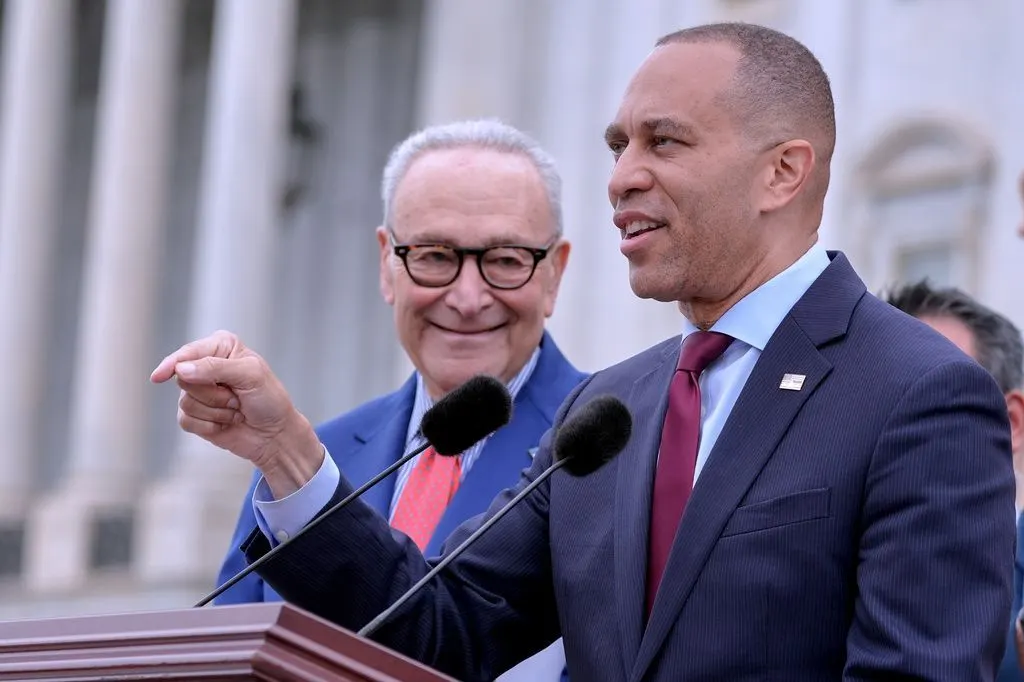
The article argues that Democratic warnings about President Donald Trump’s administration stealing the election did not come true. Its author presents those warnings as exaggerated political fear tactics and says they are used to influence voters.
The text offers no election results, specific forecasts or examples of the warnings, and gives little detail about the election itself. It briefly says Democrats rely on threats to create anxiety among supporters, but the excerpt ends before setting out the messaging it refers to.
In short
- The author says warnings of election theft proved unfounded.
- The article characterises Democratic messaging as fear-based.
- The excerpt provides few details or examples.
Steelman: both sides, in good faith
The strongest fair case each way — we don't pick a winner.
The case for
Warnings that an administration might undermine an election can be a responsible effort to alert voters to risks before they become harder to address. Even if the feared outcome does not occur, that alone does not show the warnings were baseless; public scrutiny and safeguards may help prevent it, and political actors have reason to make the stakes clear.
The case against
Warnings of election theft can deepen distrust and alarm voters, particularly when they are not tied to specific evidence or a clear account of what might happen. If predictions are vague or repeatedly fail to materialise, critics can reasonably argue that such messaging is used to mobilise supporters at the cost of confidence in elections.
Explained simply
The United States holds elections for offices including the presidency and seats in Congress. The two main political parties are the Democrats and Republicans; Donald Trump is a Republican who has served as president.
Claims that an election could be unfair or manipulated can affect public trust and how people vote. Political parties may warn about risks to an election, while opponents may question whether those warnings are supported by evidence.