Politics news and discussion on TalkFuse.
Runaway Healthcare Costs Came Back To Haunt GOP During Midterms, Exit Polls Show
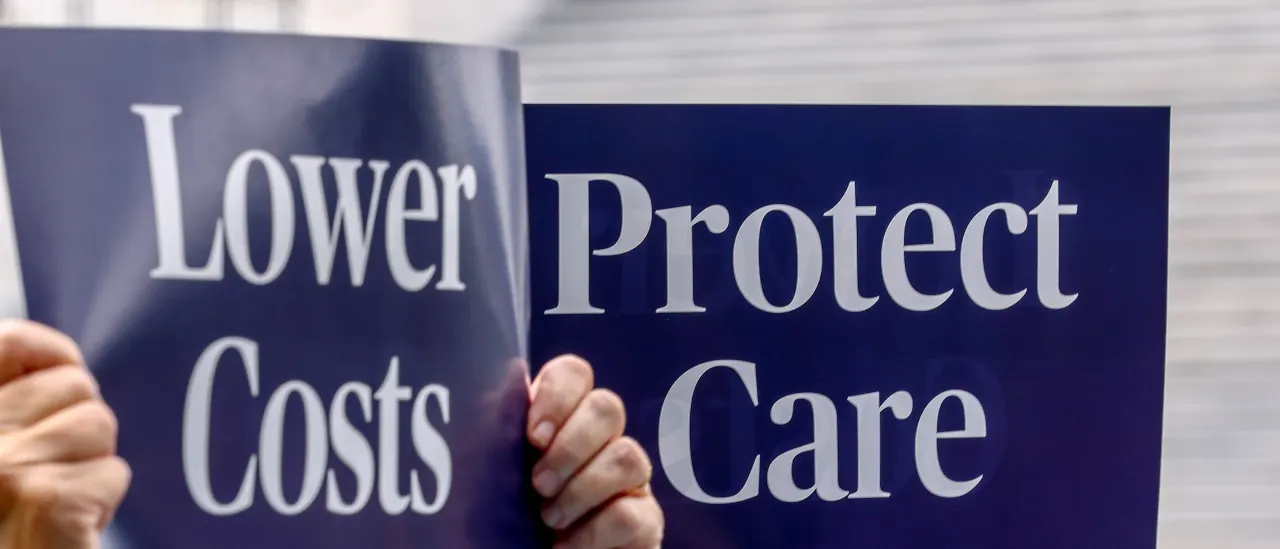
Exit polls suggest concerns about healthcare affordability helped drive voters towards Democratic candidates in Tuesday’s midterm elections, putting pressure on Republicans during President Donald Trump’s administration. Most voters said they were worried about costs, and large majorities of those who believed the administration had made healthcare costs or access worse voted Democratic.
An NBC-reported SSRS poll of more than 75,000 voters found that 85% were at least somewhat concerned about their personal healthcare costs; 60% of them backed Democrats. Family health insurance premiums rose 9% in 2026, with workers paying an average of $7,471 annually, up from $6,850 in 2025, according to KFF. Separately, an August survey of likely voters in nine Senate battleground states found 79% considered healthcare costs very important to their vote, while respondents favoured a Republican subsidy proposal over a Democratic approach by 46% to 39%.
In short
- Healthcare costs concerned 85% of voters.
- Most voters who said costs worsened backed Democrats.
- Family premiums rose 9% in 2026.
Steelman: both sides, in good faith
The strongest fair case each way — we don't pick a winner.
The case for
The results suggest that healthcare costs were a salient electoral concern, and voters who felt the administration had worsened affordability or access had reason to favour candidates they believed would respond more effectively. With premiums rising, the issue affects household budgets directly, so holding governing parties accountable through elections is a reasonable way for voters to press for change.
The case against
Exit polls show associations between voters’ concerns and their choices, but do not establish that healthcare costs caused the shift or that one party’s policies would reduce them. Voters may reasonably prefer the Republican subsidy proposal, which led in the cited battleground-state survey, or argue that affordability and access require more than a change in party control; the poll findings alone do not resolve which approach would work better.