World news and discussion on TalkFuse.
FIFA could see legal action if Women’s World Cup players don’t get equal pay: report
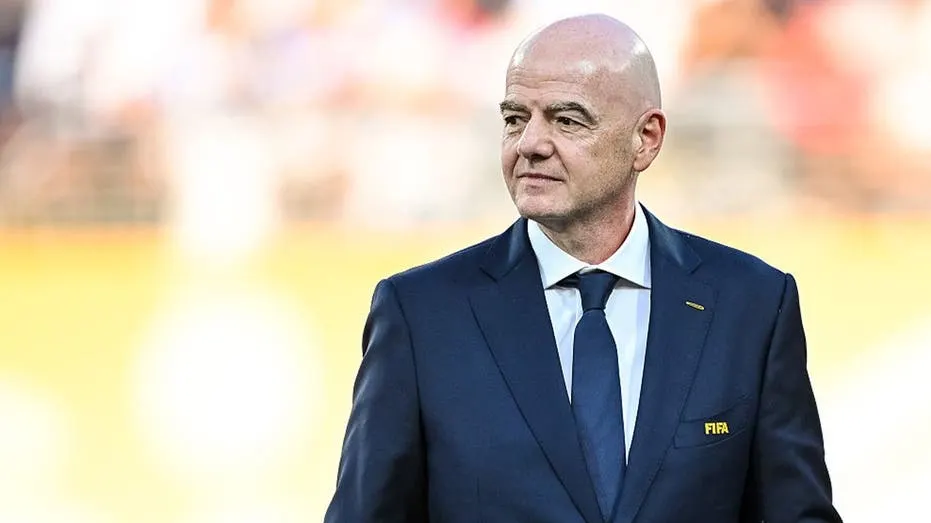
FIFPRO and national players’ unions have reportedly sought legal advice over what action they could take if women at the next Women’s World Cup do not receive prize money equal to men’s players. Their letter to FIFA calls for prize money to be proportionate across the tournaments and for women players to retain a guaranteed minimum share, arguing this would provide equal pay for equal work.
Players from Spain, England, the United States and the other nations in the women’s top 10 reportedly signed the letter. FIFA president Gianni Infantino said in 2023 that equal prize money for the 2026 men’s and 2027 women’s winners was an ambition; reports suggest the women’s 2027 prize pool may double from 2023 but remain far below the $871 million awarded to men’s teams at the recent World Cup. FIFA and FIFPRO say they are discussing prize money and broader financial support for players and associations, including those involved in qualifying.
In short
- FIFPRO unions have reportedly sought legal advice over equal prize money.
- Their proposal includes a guaranteed minimum share for women players.
- FIFA and FIFPRO say talks also cover support during qualifying.
Steelman: both sides, in good faith
The strongest fair case each way — we don't pick a winner.
The case for
Equal prize money would recognise that women and men perform the same sporting work at the World Cup and affirm equal treatment in a global competition. A guaranteed share for players could also ensure that increased tournament revenue reaches those who play, while legal action may be a legitimate way to press for commitments that have not yet been met.
The case against
Prize pools could reasonably differ if tournaments generate different revenues or involve different costs, and FIFA may argue that funds should support the wider development of women’s football, including players and associations beyond the finalists. On this view, parity should be pursued through sustainable investment and broader financial support, rather than treating equal prize money alone as the measure of fairness.