World news and discussion on TalkFuse.
Canadian service member faces court-martial for sharing sensitive information with Ukraine
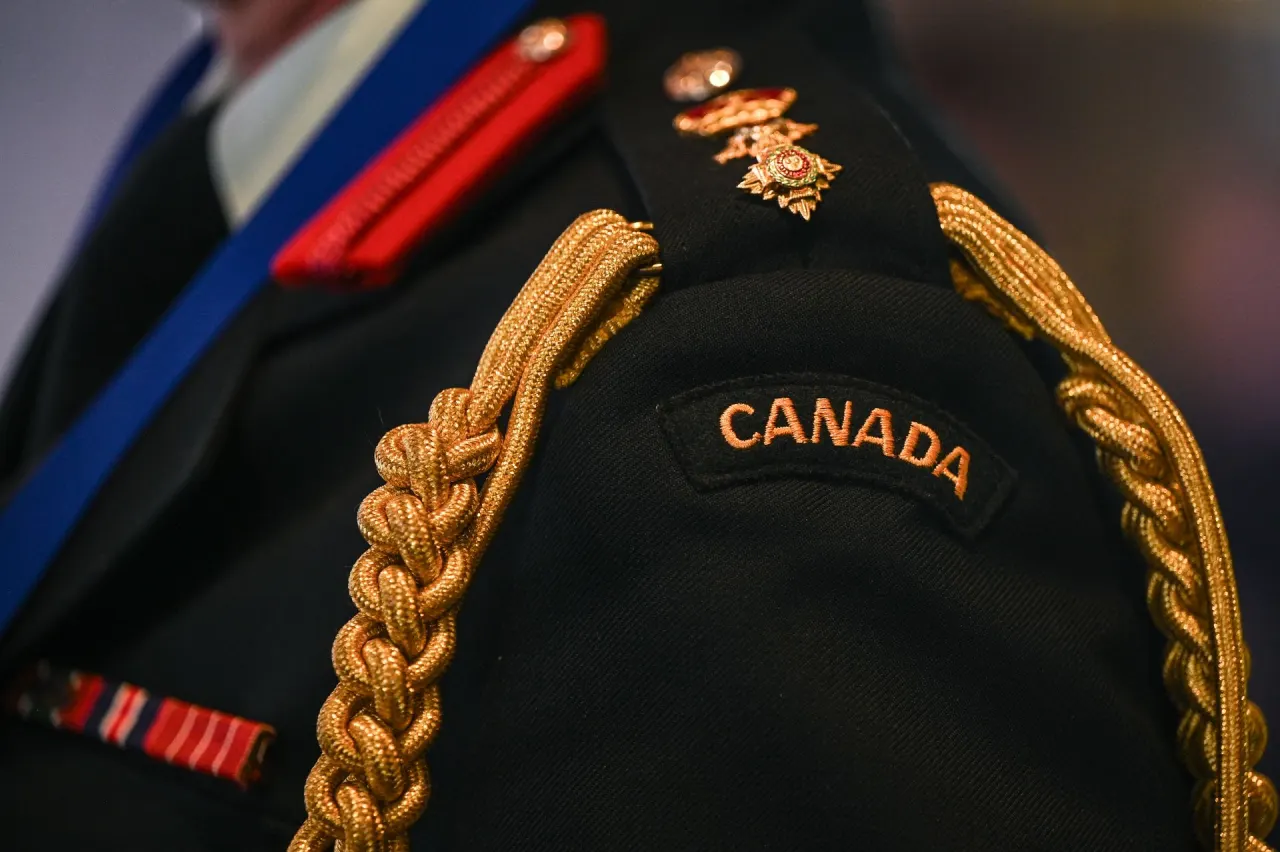
A Canadian military counter-intelligence agent accused of passing sensitive operational information to Ukraine is due to face a court-martial in December 2026. The case matters because it involves alleged breaches of national security and military trust by a member of Canada’s intelligence command, even as Canada remains a major supporter of Ukraine.
Master Warrant Officer Matthew Robar is charged with violating foreign interference laws and military responsibilities in late 2025; the court-martial is scheduled for 9 December. The information he allegedly shared has not been specified, though CBC reported he communicated with Ukrainian contacts and met a Ukrainian representative in Lithuania in 2024. He also faces charges of lying to superiors and improperly storing a firearm. Canada recently announced an initial €500 million contribution to the EU’s Ukraine Support Loan.
In short
- Canadian intelligence officer Matthew Robar faces court-martial on 9 December 2026.
- The sensitive information he allegedly shared with Ukrainian contacts has not been detailed.
- The case comes as Canada pledges €500 million to support Ukraine.
Steelman: both sides, in good faith
The strongest fair case each way — we don't pick a winner.
The case for
A court-martial is a proper way to establish whether Robar broke the law and his military duties, while protecting sensitive evidence and the fairness of the proceedings. If he did disclose operational information without authorisation, that could endanger people, compromise intelligence work and undermine the trust on which national security depends, regardless of Canada’s support for Ukraine.
The case against
The allegations remain unproven, and sharing information with Ukrainian contacts does not by itself establish that Robar acted unlawfully or caused harm; the information and circumstances have not been made public. A fair process should distinguish unauthorised disclosure from any conduct that may have been authorised or otherwise justified, while respecting his rights and avoiding the assumption that contact with a Canadian ally is inherently disloyal.