Politics news and discussion on TalkFuse.
Donald Trump Is Losing Young White Men Who Voted for Him
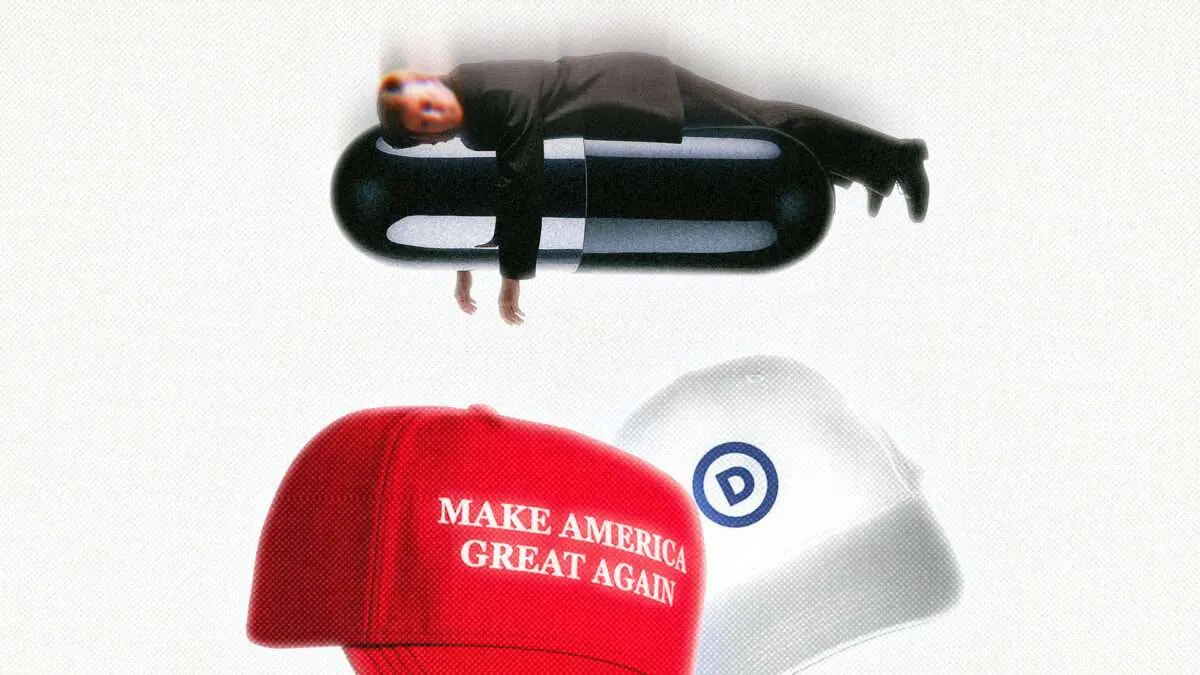
The article argues that Republicans’ severe midterm defeat reflects voters’ anger at the Trump administration, particularly over the war in Iran, economic pressures and perceived corruption. It highlights a sharp swing among young white men, a group Trump had attracted in 2024, as evidence that the party’s difficulties cannot be explained simply by its weakness among non-white voters.
Exit polls cited in the article show young white men shifting 28 points towards Democrats, while men overall shifted 36 points; the author contrasts this with a smaller shift among Latinos. It says the war’s impact on energy prices, tariffs, inflation, housing costs and employment weighed on voters, and argues that cultural appeals around masculinity and opposition to “woke” culture did not outweigh those concerns. The article also points to young men’s growing disengagement from institutional politics and worries about jobs and education.
In short
- Young white men swung sharply towards Democrats in the midterms.
- The article links the shift to the Iran war and economic worries.
- Cultural appeals did not offset concerns about jobs and living costs.
Steelman: both sides, in good faith
The strongest fair case each way — we don't pick a winner.
The case for
The reported swing among young white men could signal that voters are holding the administration responsible for concrete pressures such as higher energy and housing costs, inflation and uncertainty about jobs. If cultural appeals did not address those concerns, the result may show that effective politics requires credible economic policies and attention to young men’s worries about work, education and their future.
The case against
Exit-poll shifts and a midterm defeat do not by themselves establish that the war, economic pressures or perceived corruption caused young white men to change their votes; other candidates, local issues and turnout may also have mattered. The results may also reflect a temporary reaction rather than a lasting realignment, while cultural concerns and the administration’s policies could continue to appeal to some young men even if they were outweighed in this election.