World news and discussion on TalkFuse.
Labour figures face scrutiny over past ties to Russell Brand
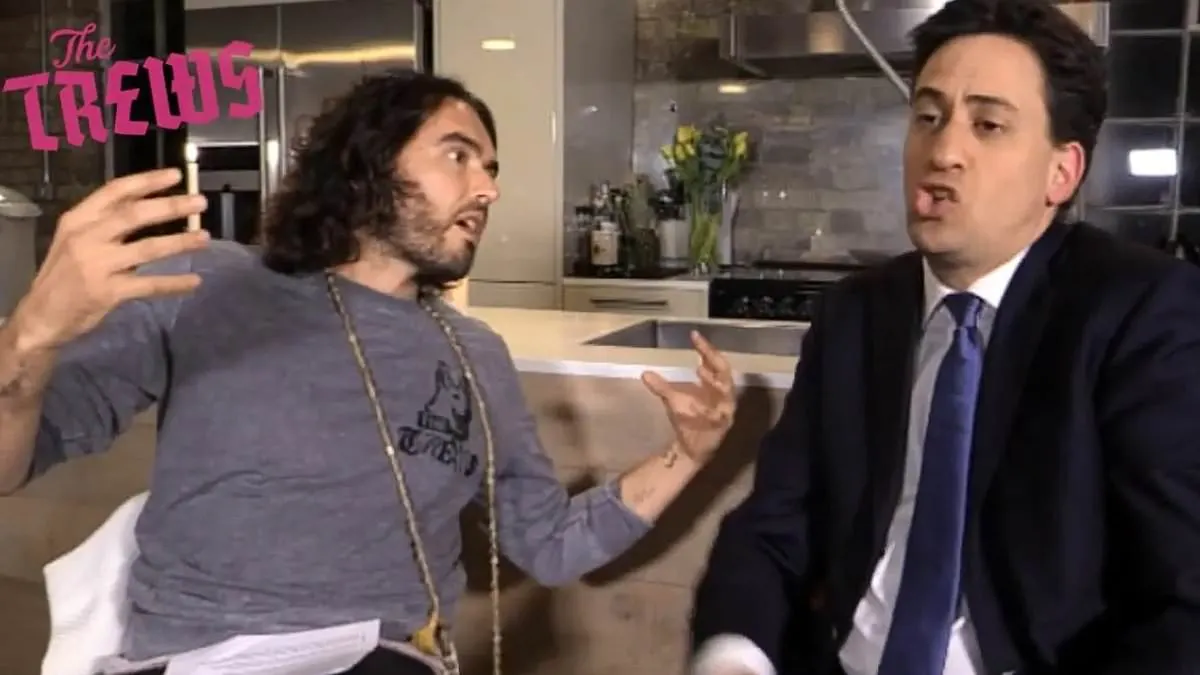
The article criticises prominent Labour figures for associating with Russell Brand, arguing that his anti-establishment appeal overshadowed earlier public controversies and behaviour described in his memoir. It revisits those relationships following Brand’s conviction for rape and sexual assaults, and questions the judgement of politicians and commentators who praised or promoted him.
Andy Burnham defended Brand in 2014 and praised his writing about Margaret Thatcher in 2013. Ed Miliband was interviewed by Brand on YouTube nine days before the 2015 general election, in an appearance arranged by Lucy Powell; Brand later endorsed Labour, which went on to record its worst election result since 1987. The article notes that Brand had faced earlier scandals and a charge of indecent exposure, but had not yet been convicted at the time of Miliband’s interview.
In short
- Labour figures once praised or sought support from Russell Brand.
- Miliband’s 2015 interview with Brand came nine days before polling day.
- Brand had not yet been convicted when those political contacts took place.
Steelman: both sides, in good faith
The strongest fair case each way — we don't pick a winner.
The case for
Labour figures’ past praise for and engagement with Brand merit scrutiny because public figures can lend credibility to influential commentators, and his earlier controversies and accounts of his behaviour were already available to prompt questions about judgement. The timing of Miliband’s interview, shortly before an election, also makes it reasonable to ask whether the association helped amplify Brand’s political influence and whether its risks were considered.
The case against
It is fair to assess those decisions in their context: at the time of Miliband’s interview, Brand had not been convicted, and earlier scandals or a charge did not establish the later offences. Politicians and commentators may have engaged with him for his political commentary or cultural reach without endorsing his conduct; judging them retrospectively risks treating later convictions as information they already had and overstating the significance of an association.
Explained simply
Russell Brand is a British comedian and broadcaster who became known for political commentary as well as entertainment. His anti-establishment image brought him into contact with politicians, including Labour figures Andy Burnham, Ed Miliband and Lucy Powell.
The story looks back at those connections and at questions about how Brand’s earlier public controversies and accounts of his behaviour were viewed at the time. It matters because politicians’ associations with high-profile figures can come under renewed scrutiny when later events change how those figures are understood.
Read the full article at the source →
Originally published by Daily Mail as “From Burnham to Miliband, how the Left prostrated themselves before Brand the seedy Messiah”.