World news and discussion on TalkFuse.
Millions for migrants but our war heroes are treated like dirt – it’s sickening
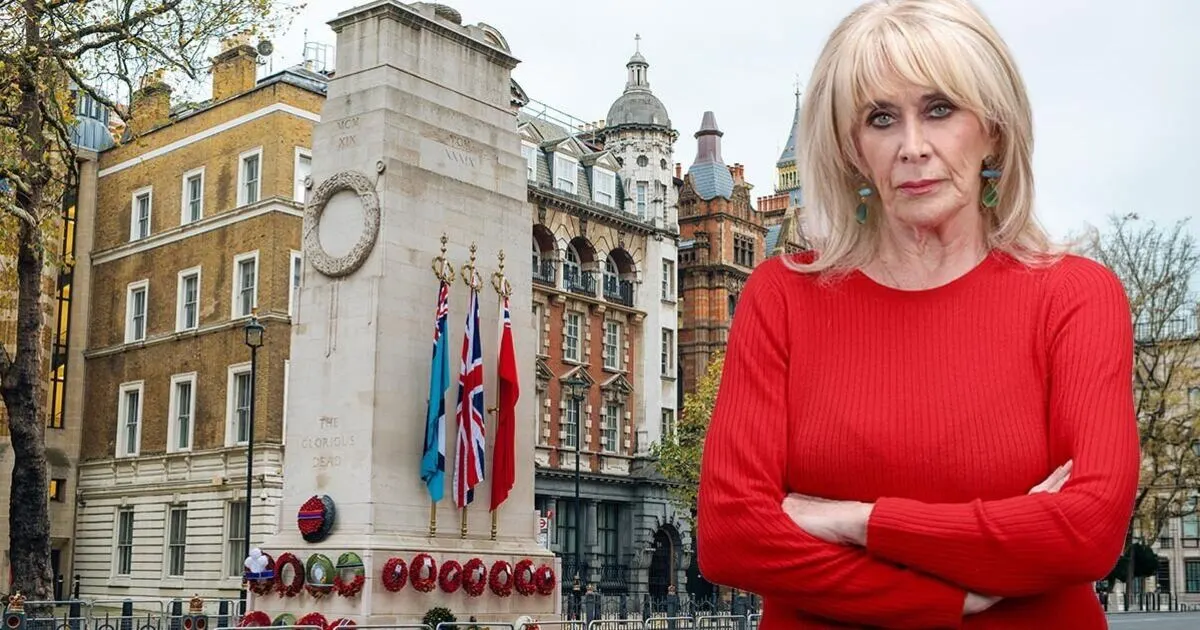
The article argues that veterans are being treated unfairly, focusing on disrupted rail services that will make it harder for some to attend Remembrance Day events in London. It criticises the government and railway operators for not arranging more comfortable or affordable travel, and compares support for veterans with spending on asylum seekers.
It says veterans travelling from the Winchester and Salisbury areas face a bus leaving at 5am, with the journey taking about four hours, and that the bus is provided for only one direction. The author also cites annual government support of £37 million for veterans, £4 billion for asylum seekers and a £5 million pension overpayment that some veterans are being asked to repay. These figures and claims are presented in an opinion article.
In short
- Rail works mean some veterans face an early bus journey to London.
- The article criticises gaps in travel and financial support.
- It contrasts veterans’ funding with asylum seeker spending.
Steelman: both sides, in good faith
The strongest fair case each way — we don't pick a winner.
The case for
Veterans who served the country deserve practical support and respect, especially when trying to attend a national act of remembrance. If disrupted rail services leave some facing a very early, lengthy bus journey with no equivalent return transport, the government and rail operators should explain why better arrangements were not made. The contrast with substantial public spending elsewhere can reasonably raise questions about whether veterans’ needs are being given sufficient priority.
The case against
The travel disruption may reflect operational or budget constraints, and a limited bus service could still be a reasonable effort to help people attend. Comparing annual spending on veterans with spending on asylum seekers may be misleading because the figures cover different groups, purposes and obligations; one does not necessarily come at the expense of the other. The reported pension overpayment also raises a separate question about fair repayment arrangements, rather than proving that support for veterans as a whole is inadequate.
Explained simply
Remembrance Day events in London draw veterans and other visitors to commemorate people who have served in the armed forces. Rail disruption can affect how people travel to these events, particularly those coming from outside the capital.
Veterans can receive support from government services and charities, while asylum seekers may receive accommodation and other assistance as their claims are considered. The amounts spent on each group depend on what is counted, so figures in public debate may not be directly comparable.
The issue matters because it raises questions about access to commemorations and how public support is provided to different groups. Some veterans have also been asked to repay pension overpayments, bringing attention to how those payments are managed.