Business news and discussion on TalkFuse.
MARK PENN: The midterms revealed a nation of unhappy capitalists. Here’s the cure
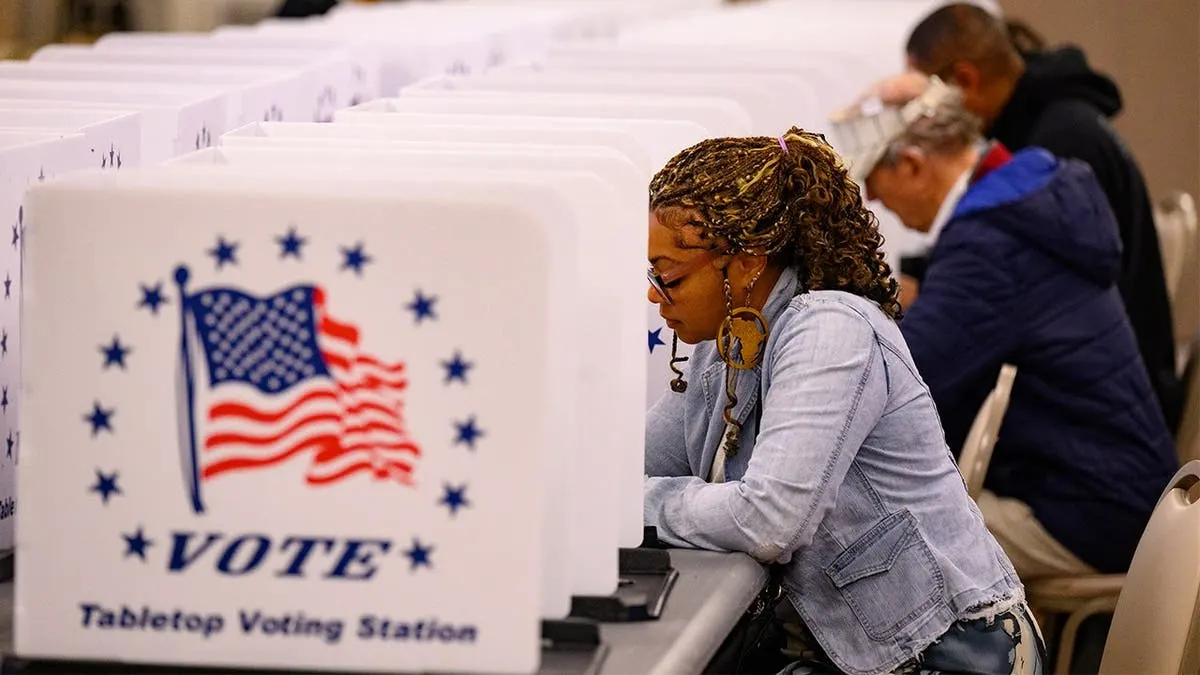
Mark Penn argues that the midterm results reflect widespread dissatisfaction with living costs rather than a broad rejection of capitalism. He says voters remain more favourable to capitalism than socialism, and that socialist proposals have fared poorly when put directly to voters.
He cites a Fox News poll in which 75% rated the economy as “not so good” or poor and 44% said their finances were worsening, despite inflation falling from 9% to about 3% a year. The article says capitalism had a 23-point advantage in favourability, while a California wealth tax was rejected by at least 57%. Penn proposes lower interest rates and taxes, more US energy production and affordable health care as remedies.
In short
- Penn says voters are unhappy with living costs, not capitalism.
- Polls show capitalism remains more popular than socialism.
- He proposes lower rates and taxes, more energy and affordable health care.
Steelman: both sides, in good faith
The strongest fair case each way — we don't pick a winner.
The case for
The election results may reflect frustration with high prices and financial insecurity rather than a rejection of markets: inflation falling does not reverse earlier price rises, and many households still feel worse off. If voters continue to favour capitalism over socialism and rejected a wealth tax, reforms that lower borrowing costs and taxes, expand energy supply and make health care more affordable could address their concerns while preserving a market economy.
The case against
Favourability polls and a single ballot measure do not establish that voters broadly endorse the existing economic system or its distribution of gains; dissatisfaction may reflect deeper concerns about inequality, insecurity and the cost of essential services. Lower taxes and interest rates or greater energy production may offer limited relief, and could bring trade-offs, while stronger public provision or regulation may be defensible ways to make prosperity more widely shared.
Business Economy Elections Politics World