Technology news and discussion on TalkFuse.
Your EV’s battery is big enough to run your house — here’s what stops most people
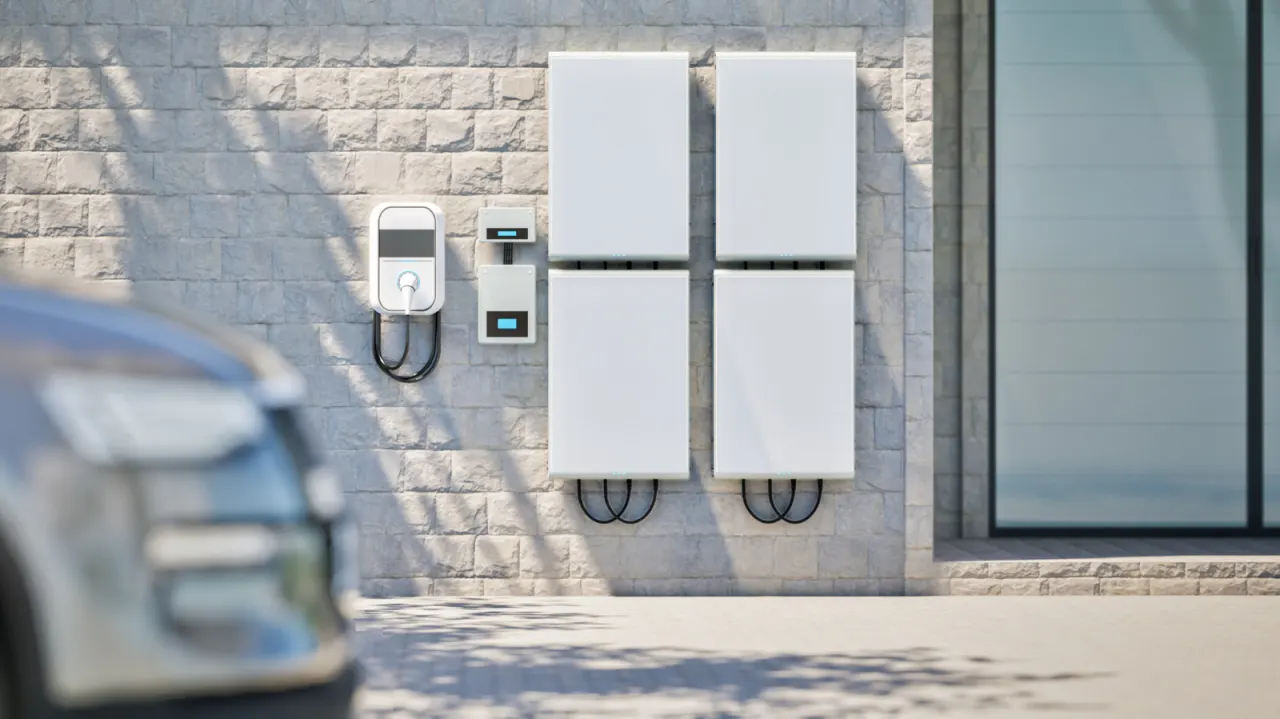
An electric vehicle can hold enough energy to run a home during an outage, but using it as a backup is more involved than plugging it into a socket. The car, charger and home equipment must support bidirectional power, and the system must safely disconnect the house from the grid.
Battery capacity affects how long power lasts, while output and appliance start-up surges determine what can run at once. Whole-home or selected-circuit backup may require a bidirectional charger, inverter, gateway, electrical upgrades and permits, costing thousands of dollars. Availability and compatibility vary by vehicle, model year and location; using the car also reduces its driving range and frequent use may add battery wear.
In short
- An EV may power a home, but needs compatible bidirectional equipment.
- Installation can cost thousands and may require electrical upgrades.
- Check local support, vehicle compatibility and installation costs before buying.
Steelman: both sides, in good faith
The strongest fair case each way — we don't pick a winner.
The case for
Vehicle-to-home backup can make an EV’s stored energy useful during outages, keeping essential appliances running and making better use of a battery the owner already has. For households facing unreliable electricity, the added resilience may justify the equipment costs, especially if the system can power selected circuits safely.
The case against
The expense and installation requirements can make vehicle-to-home backup poor value for households with infrequent outages, particularly where compatible cars and chargers are limited. Drawing on the vehicle also reduces its driving range and may add battery wear, while output limits mean it may not run every appliance at once.
Explained simply
An electric vehicle’s battery stores electricity for driving, and some models can send power back out as well as take it in. This is called bidirectional charging: the car, charger and home wiring all need to be designed to work together.
A home also needs equipment that safely separates it from the mains grid before the car supplies power, to prevent electricity flowing back into the network. The amount of power available at once affects which appliances can run, while the battery’s capacity affects how long they can run.
Not every vehicle or charger supports this, and compatibility depends on the model and location. Installing a system may involve electrical work and permits, and using the car for backup leaves it with less range for driving.
Read the full article at the source →
Originally published by Engadget as “Your EV’s battery is big enough to run your house — here’s what stops most people”.