World news and discussion on TalkFuse.
Banana producers in Latin America want better pay to cope with effects of climate crisis
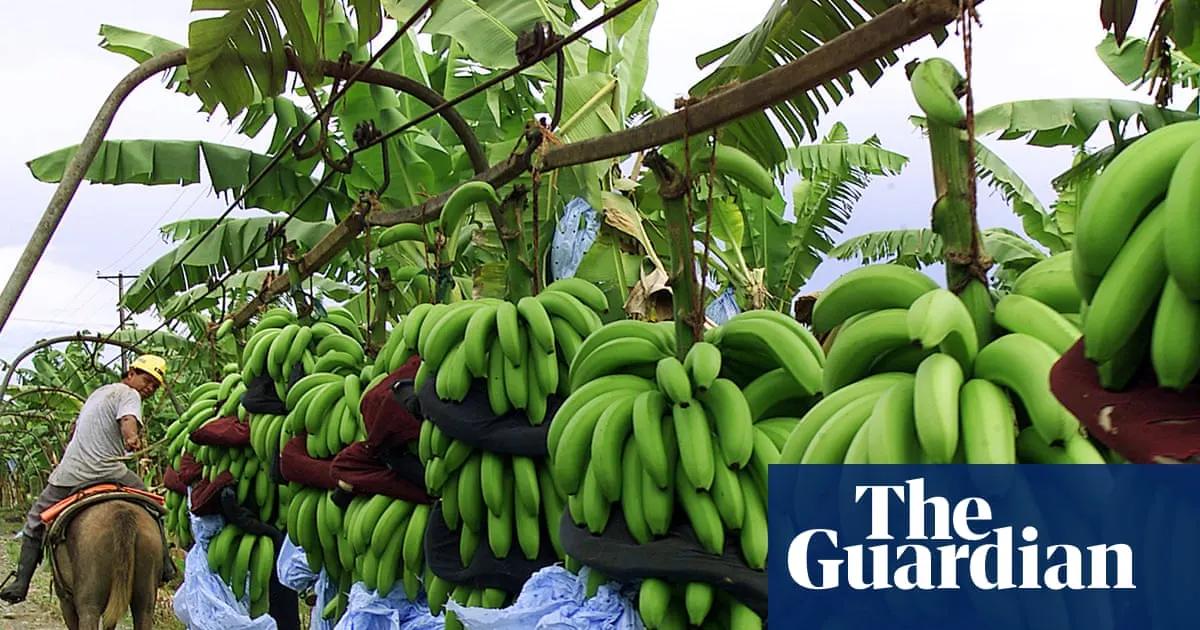
Banana producers across Latin America are seeking better prices and fairer trading terms as extreme weather linked to a strong El Niño threatens harvests and livelihoods. Fairtrade says improved payments would help growers invest in climate resilience and manage rising risks from pests, disease and heat.
High winds are affecting production in Colombia, while heavy rain has hit Peru and Ecuador; drought is expected in parts of Colombia and the Dominican Republic. In the previous El Niño cycle, productivity fell by 13% in the Dominican Republic, 22% in Ecuador and 6% in Peru. Colombian Caribbean banana exports fell 32% to $122m between July and September, while UK supermarket banana prices have remained unchanged for almost 40 years despite rising production costs.
In short
- Extreme weather is threatening Latin American banana harvests.
- Colombian Caribbean exports fell 32% in July to September.
- Producers want prices that reflect costs and climate risks.
Steelman: both sides, in good faith
The strongest fair case each way — we don't pick a winner.
The case for
Banana growers face weather-related crop losses, rising costs and increasing risks from pests and disease, while supermarket prices have barely changed for decades. Better prices and fairer trading terms could help producers protect livelihoods and invest in measures that make farms more resilient to climate impacts.
The case against
Retailers and consumers may have limited room to absorb higher banana prices, especially during a cost-of-living squeeze, and changing prices alone may not ensure that extra money reaches growers. They could argue that resilience should also be supported through targeted investment and better supply-chain practices, while recognising that extreme weather and its effects vary across regions.
Explained simply
Bananas are grown across Latin America, where many farms depend on suitable weather and steady harvests. El Niño is a natural climate pattern that can shift rainfall and temperatures, bringing drought in some places and heavy rain or strong winds in others.
Producers sell fruit to exporters and retailers, including UK supermarkets, through supply chains that set prices and trading terms. Growers say higher costs and weather-related losses make it harder to pay workers and invest in protection against heat, pests and disease.
The issue matters because bananas are an important source of income and employment in producing regions, and a staple food for many consumers. Changes in harvests can affect growers, workers, exporters and the availability and price of fruit.
Americas Business Climate Science World