Politics news and discussion on TalkFuse.
Average council tax bill is set to hit £3,000 in just five years, warn Tories
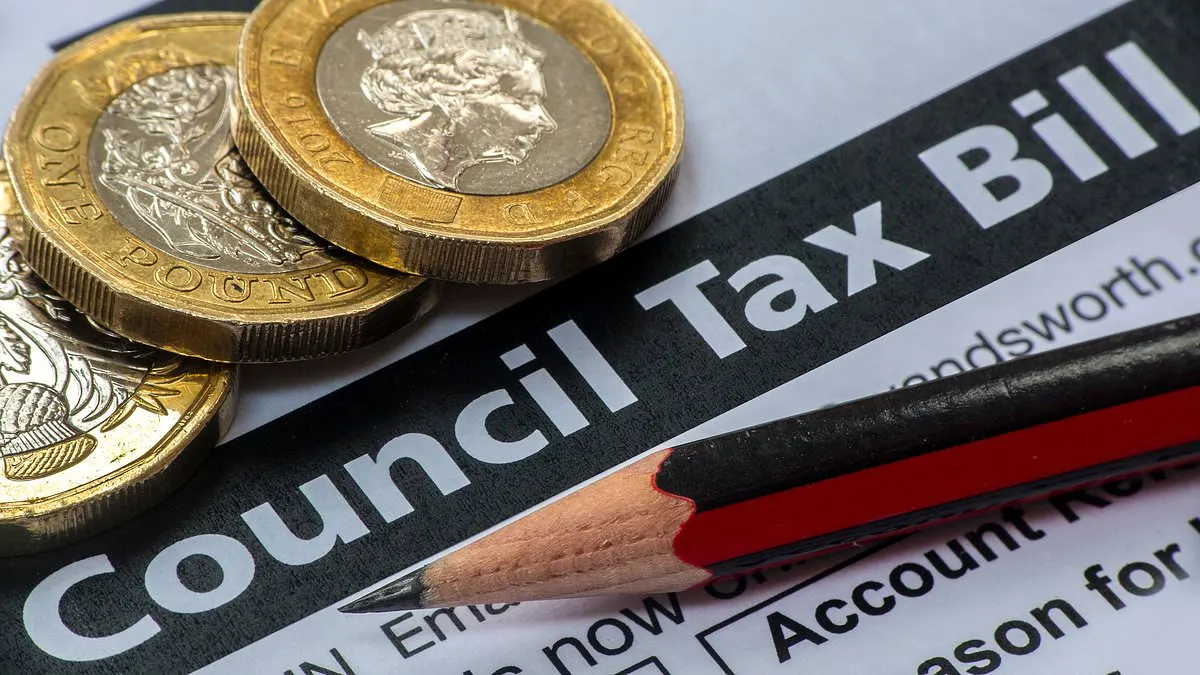
Budget figures suggest total council tax receipts will rise from £54 billion in 2026–27 to £70 billion by 2031–32. Conservative Party analysis says the average band D bill could reach £2,958 a year, nearly £600 more than this year, raising concerns about pressure on household finances.
The figures are an Office for Budget Responsibility forecast, which assumes council tax rates rise by 4.4% and 4.3% in coming years, alongside growth in the number of households. Councils in England can raise bills by up to 5% a year without a local referendum, but decisions are made locally; the Government says it expects councils to put taxpayers first. Conservatives argue the projected increase would outweigh a £100 council tax payment announced by the Chancellor.
In short
- Average band D council tax could reach £2,958 by 2031–32.
- Forecast receipts rise from £54 billion to £70 billion.
- Councils make annual decisions on increases in England.
Steelman: both sides, in good faith
The strongest fair case each way — we don't pick a winner.
The case for
The projected rise reflects both higher bills and a growing number of households, and councils face pressure to fund local services as costs and demand increase. Allowing councils to adjust tax locally can help sustain those services and gives communities a role in deciding how they are paid for.
The case against
A rise towards £3,000 a year would add a substantial recurring cost for households, potentially outweighing a one-off £100 payment and hitting those with limited room in their budgets. Critics can argue that repeated increases risk placing too much of the burden on residents, especially when councils may raise bills by up to 5% without a referendum.
Explained simply
Council tax is a local charge paid by households in England to help fund services such as social care, rubbish collection and libraries. Councils set the bills, which vary by area and by the value band of a home; band D is used as a standard measure for comparing average bills.
The Office for Budget Responsibility forecasts that councils’ total council tax income will grow as rates rise and the number of households increases. Councils can generally raise bills by up to 5% a year without holding a local referendum, though each council decides its own rate. The figures matter because council tax is a regular household cost and a key source of funding for local services.
Government Politics Space Technology World