World news and discussion on TalkFuse.
Mamdani’s plan to fight antisemitism omits NYC college campuses, critics claim
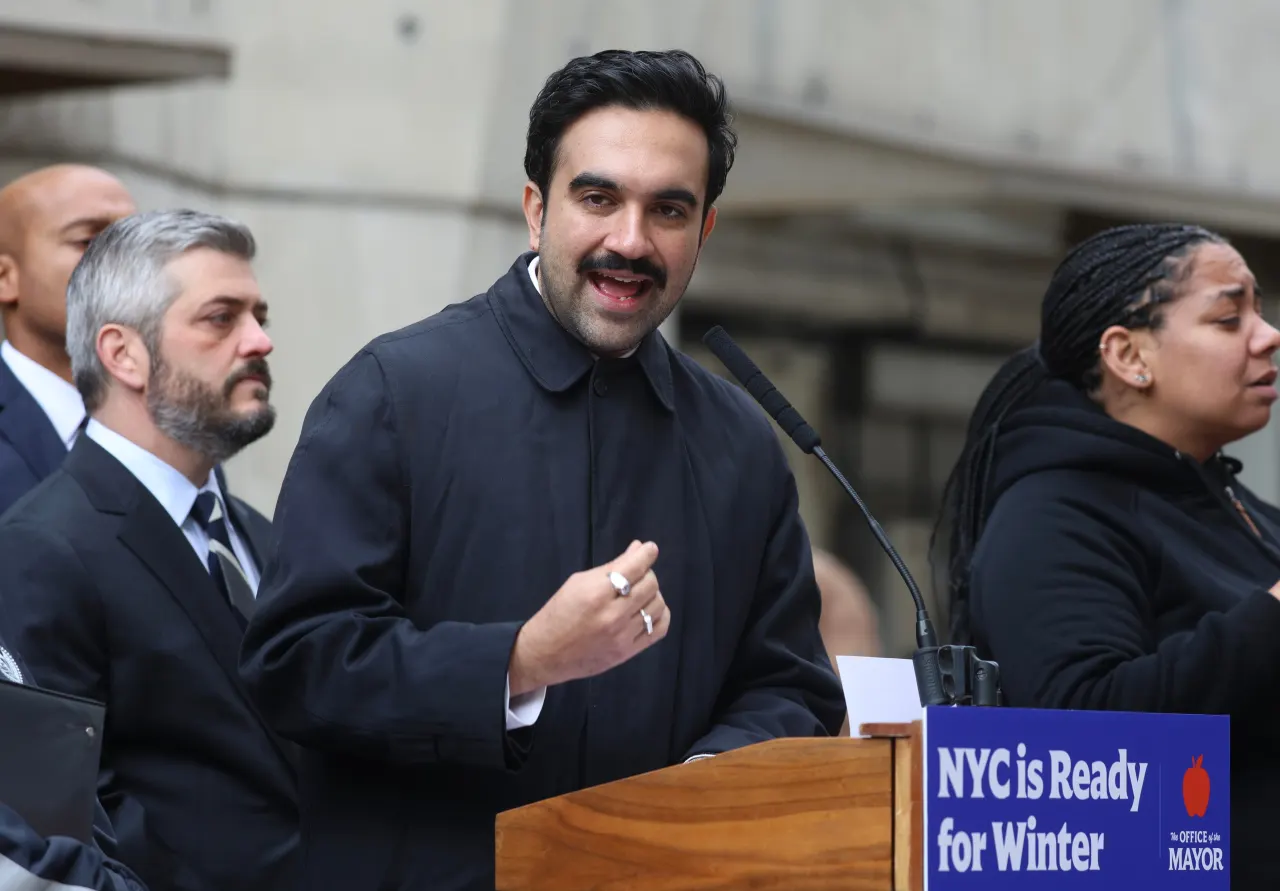
Jewish faculty and staff groups at CUNY and NYU say New York Mayor Zohran Mamdani’s strategy to combat antisemitism gives too little attention to colleges and universities. They argue higher education should be an explicit part of the city’s response, including efforts to address exclusion and professional discrimination, while protecting free speech.
The groups say antisemitism can take shape through academic departments, faculty governance, unions and professional networks, as well as through harassment or physical threats. They cite a survey of 209 Jewish-American professors in which nearly three-quarters reported observing anti-Jewish activity or statements at their institutions; 43% felt unwelcome at faculty events and nearly 40% said they felt a need to conceal their Jewish identity. The city strategy, released in September, mentions some university-linked work, including a Jewish-experience training programme developed with Wagner College.
In short
- CUNY and NYU groups say the city’s antisemitism strategy overlooks campuses.
- They cite concerns about exclusion and discrimination in academic life.
- A survey found nearly 40% of Jewish professors felt a need to hide their identity.
Steelman: both sides, in good faith
The strongest fair case each way — we don't pick a winner.
The case for
Critics argue that universities are important civic institutions where antisemitism can affect students and staff through harassment, exclusion from professional networks or discriminatory treatment, as well as threats. They say naming campuses explicitly would help the city address these forms of harm while safeguarding free expression, and point to survey responses from Jewish professors as evidence that some feel unwelcome or pressured to hide their identity.
The case against
A citywide strategy need not single out universities to address antisemitism there: general protections and partnerships, including the training programme developed with Wagner College, may reach campus communities without creating a separate approach. Officials could reasonably prioritise measures that apply across the city and avoid interventions that might blur the distinction between antisemitic conduct and protected political or academic speech.
Explained simply
New York City has a large network of universities, including the public City University of New York (CUNY) and private New York University (NYU). Their Jewish faculty and staff groups say antisemitism in higher education can involve exclusion or professional barriers, as well as harassment and threats.
Mayor Zohran Mamdani’s city strategy addresses antisemitism across New York, while also referring to some work with universities. The debate is about how the city can respond to discrimination on campus while protecting freedom of speech, including political expression.