World news and discussion on TalkFuse.
Dianna Russini calls herself a hero for women as she completely ignores what she did wrong
An opinion writer criticises sports journalist Dianna Russini’s People interview, arguing that she presents herself as a victim and an inspiration to women without addressing her own role in the controversy over her relationship with Patriots coach Mike Vrabel. The writer says Russini’s return to sports media was expected, but that the interview missed a chance to acknowledge questions about her conduct and departure from The Athletic.
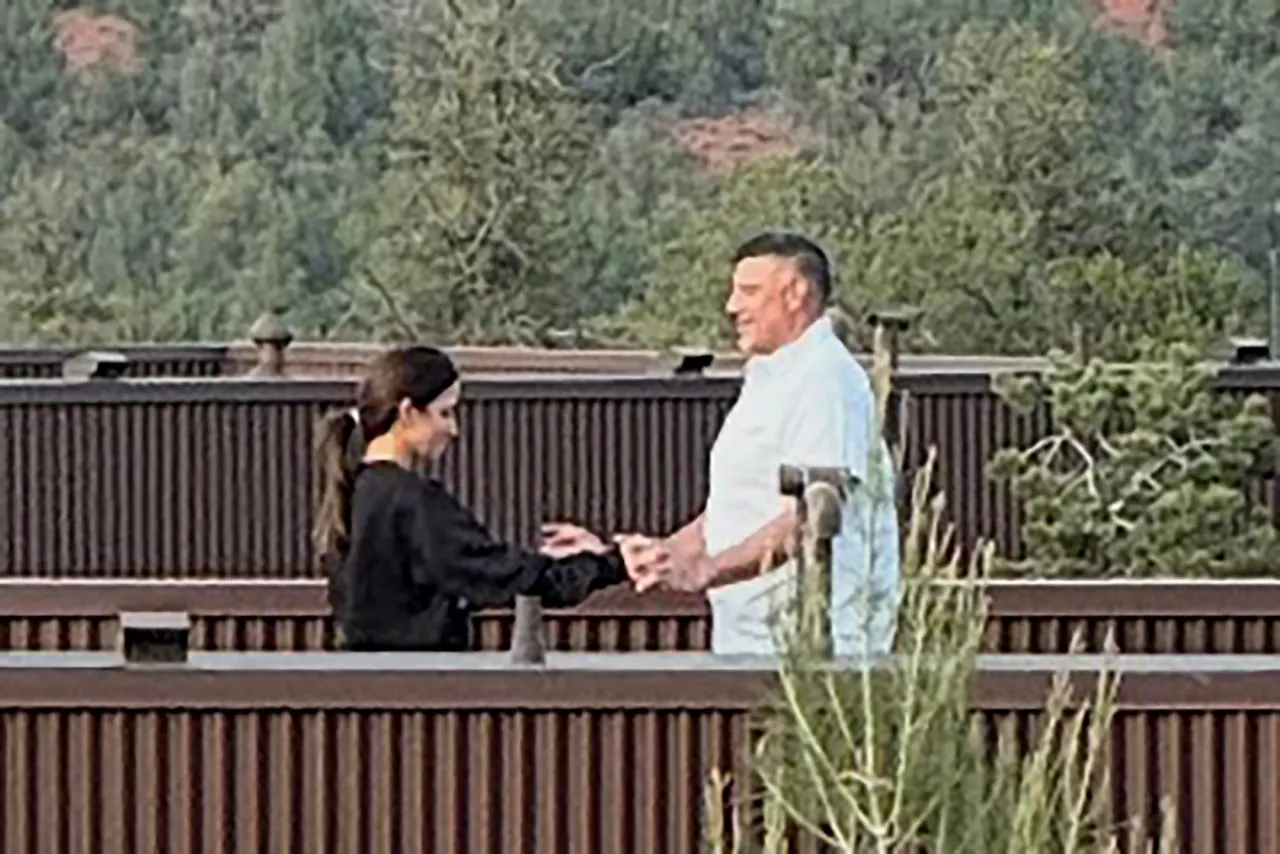
Page Six published photographs of Russini and Vrabel together at a couples retreat in Arizona last year; both are married to other people, and Russini said nothing had happened between them. She resigned from The Athletic, saying she did not want to submit to a public inquiry. In the interview, she described receiving support from people in the NFL while she was out of work and said the experience taught her about herself and her family; she is now launching The Russini Report on BetUS TV.
In short
- An opinion writer says Russini’s interview avoids accountability over the Vrabel controversy.
- Russini resigned from The Athletic after photographs of the pair emerged.
- She is returning with a new show on BetUS TV.
Steelman: both sides, in good faith
The strongest fair case each way — we don't pick a winner.
The case for
Russini may reasonably see the intense scrutiny and public judgement as disproportionate, particularly given that she denied anything had happened and the photographs alone do not establish misconduct. Her account of receiving support and learning from a difficult period can be a sincere personal reflection, and women may draw encouragement from her return to a demanding industry.
The case against
Critics can reasonably argue that the interview’s focus on Russini as a source of inspiration left important questions about her professional judgement and resignation unanswered. Given the public interest in her conduct and the circumstances of her departure, acknowledging those questions directly could have made her account more credible and distinguished personal hardship from accountability.