Politics news and discussion on TalkFuse.
The 10 worst Oscar-nominated performances of the 1990s
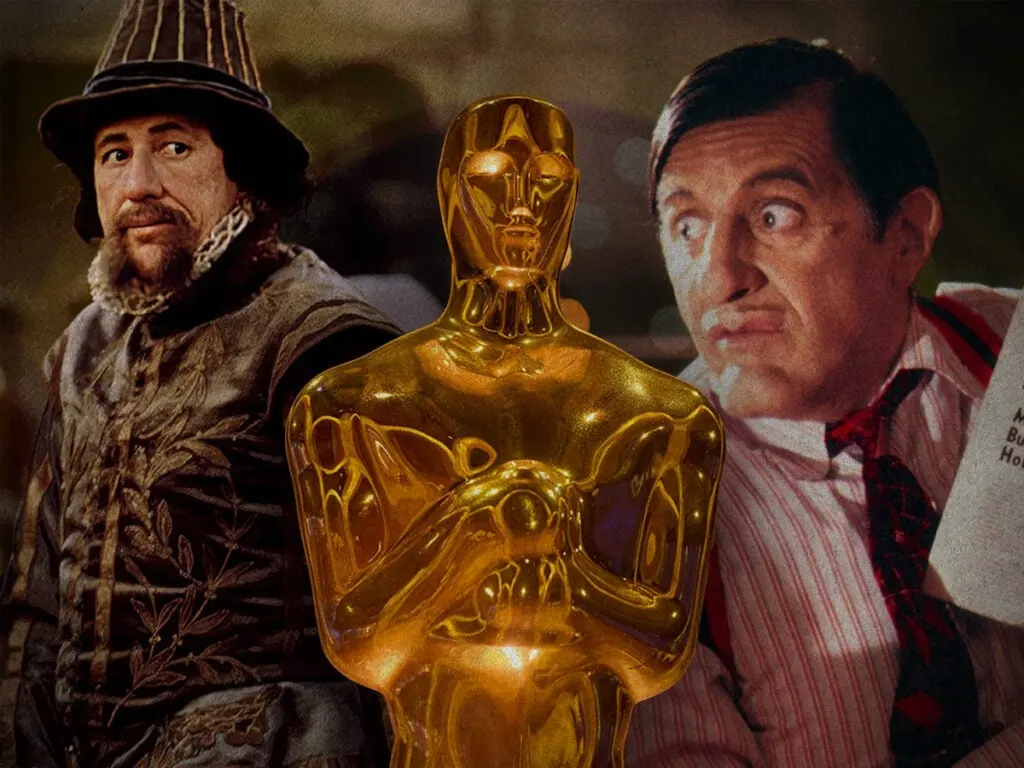
The article argues that the Oscars’ acting nominations in the 1990s sometimes rewarded performances it considers excessive or poorly judged, despite the decade’s strong films. It says awards campaigning and the growing influence of other ceremonies made the season increasingly focused on predicting which performances would be nominated.
The excerpt criticises three supporting-actor nominees: Tim Roth as the villain in *Rob Roy*, Harvey Keitel as Mickey Cohen in *Bugsy*, and Al Pacino in *Dick Tracy*. It describes Roth’s villain as one-note and unintentionally comic, Keitel’s Cohen as conspicuously camp, and Pacino’s performance as cartoonish beside the film’s more restrained style.
In short
- The article criticises several 1990s Oscar acting nominees as over-the-top.
- Tim Roth, Harvey Keitel and Al Pacino are among its examples.
- It links the choices to an increasingly strategic awards season.
Steelman: both sides, in good faith
The strongest fair case each way — we don't pick a winner.
The case for
A case for the article’s criticism is that award nominations invite scrutiny of whether a performance serves its film as well as displays acting skill. Roth’s villain, Keitel’s Cohen and Pacino’s gangster can be seen as so broad or mannered that they undermine the tone and nuance around them; their nominations may reflect campaigning and awards-season momentum as much as artistic judgement.
The case against
A thoughtful defence is that bold, heightened performances can be deliberate choices, especially in stylised films or roles built around theatrical villains. What one viewer sees as one-note, camp or cartoonish, another may find memorable, entertaining and well matched to the material; awards voters can reasonably value such impact alongside restraint and subtlety.