World news and discussion on TalkFuse.
Russian scientists study ageing monkeys in search for human longevity methods
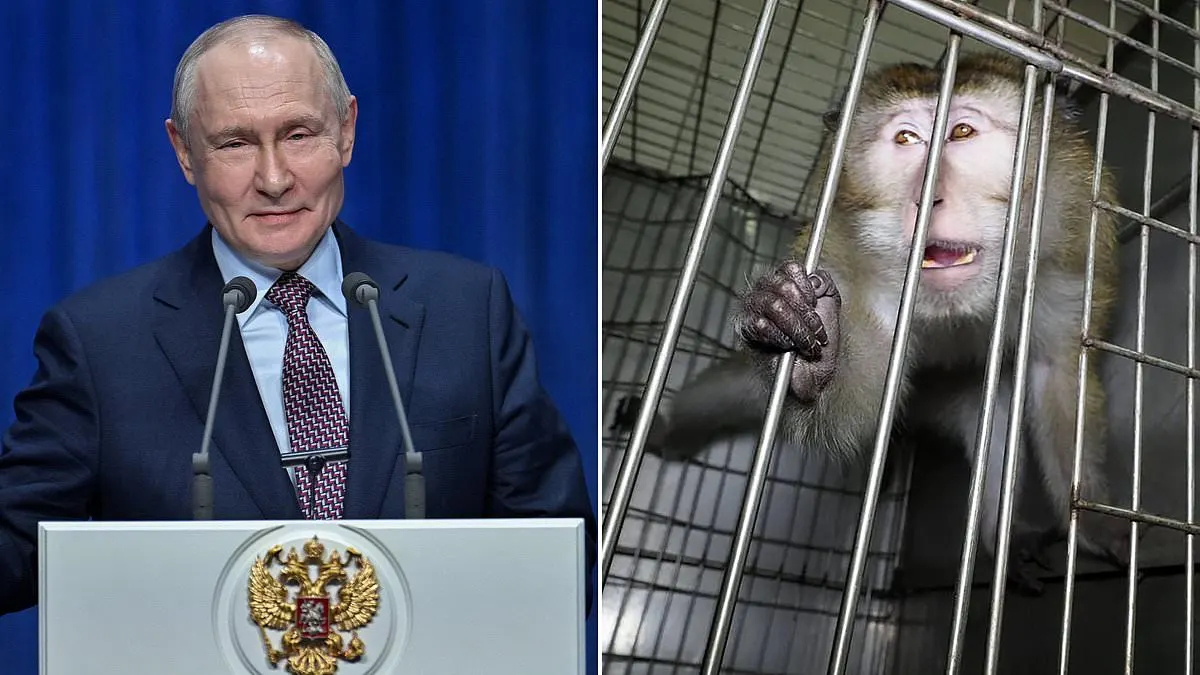
Russian researchers are examining elderly monkeys in a state-backed effort to understand ageing and identify ways to extend human life. The work has drawn attention because Vladimir Putin has publicly speculated about people living to 150, and his daughter and a close scientific adviser are involved in Russia’s longevity drive.
The Kurchatov Institute reportedly houses more than 7,000 monkeys across 22 species, including animals aged 18 to over 30 whose blood, brains and organs are being studied. Researchers have also established a blood sample bank, while related Russian projects include research into printed living tissue, animal-grown organs and a proposed drug targeting the RAGE gene to delay ageing.
In short
- Russian scientists are studying elderly monkeys for clues to ageing.
- The institute houses over 7,000 monkeys from 22 species.
- Putin has said reaching 150 may be possible.
Steelman: both sides, in good faith
The strongest fair case each way — we don't pick a winner.
The case for
Studying ageing in long-lived primates could reveal biological processes that are difficult to investigate in humans and generate leads for preventing age-related disease. Supporters may argue that carefully governed research is justified if it can produce substantial health benefits, while stressing that animal welfare and credible evidence must guide the work.
The case against
Critics may argue that invasive studies on monkeys impose serious costs on sentient animals, while findings from one species may not translate into longer or healthier human lives. They may also question whether state-backed longevity projects merit their expense and scrutiny, particularly when ambitious public claims risk outpacing the evidence.
Explained simply
Ageing research studies how the body changes over time and whether those changes can be slowed. Monkeys are used in some studies because their biology is closer to humans’ than that of many other animals, though findings in monkeys do not necessarily lead to treatments for people.
The Kurchatov Institute is a Russian state research centre, and its work forms part of a wider drive to study longevity. Russian projects also include research on living tissue and organs, as well as a proposed drug aimed at a gene linked to ageing.
The work has attracted attention because President Vladimir Putin has spoken about the possibility of people living to 150. His daughter and a scientific adviser close to him are also involved in Russia’s longevity efforts, bringing questions about the programme’s direction and oversight into focus.
Read the full article at the source →
Originally published by Daily Mail as “Russian scientists are studying elderly monkeys in bid to unlock how to extend human lifespan – as Putin dreams of living to 150”.