World news and discussion on TalkFuse.
US attorney and Senate Dem spar in dueling letters demanding records preservation: ‘I will not be intimidated’
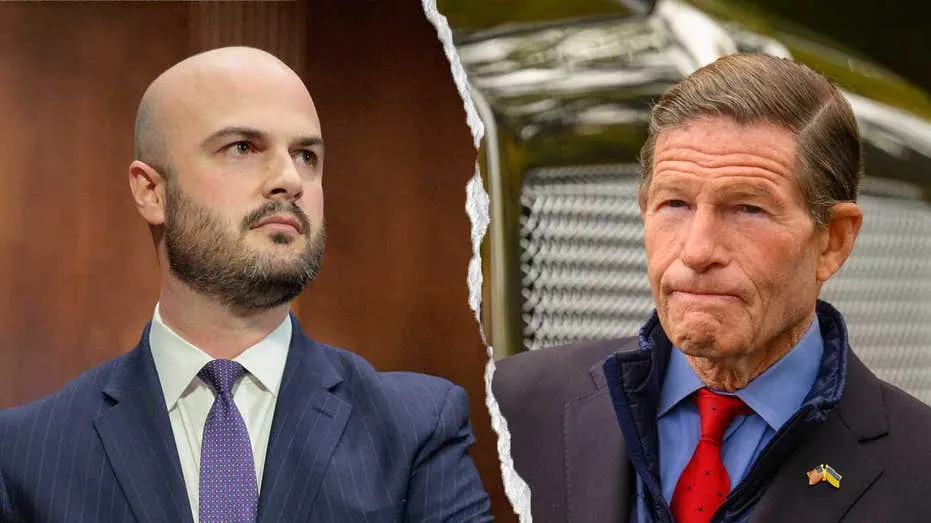
US Attorney Aaron Reitz and Senator Richard Blumenthal exchanged letters demanding that each preserve records related to their actions over congressional inquiries into donations for President Donald Trump’s planned White House ballroom. The dispute matters because Reitz suggested Blumenthal’s inquiries could violate federal civil rights law, while Blumenthal described the letter as an attempt to intimidate a member of Congress carrying out oversight.
Reitz’s letter said Blumenthal’s requests for information from donors and companies could suppress philanthropic association, citing federal statutes on conspiracy and deprivation of rights. Blumenthal, the top Democrat on a Senate investigations subcommittee, said he would continue examining whether companies’ donations were linked to government favours, contracts or regulatory decisions. He also directed Reitz to retain records concerning the decision to send the letter; the supplied article text cuts off before his full request is shown.
In short
- Reitz raised possible civil rights violations over Blumenthal’s inquiries.
- Blumenthal called the implied investigation threat baseless.
- Both demanded preservation of records related to the dispute.
Steelman: both sides, in good faith
The strongest fair case each way — we don't pick a winner.
The case for
Reitz’s strongest case is that congressional inquiries directed at donors and companies could discourage lawful association and giving, raising legitimate civil-rights concerns that his office should identify and preserve evidence about. A prosecutor may reasonably warn that oversight must not cross into coercion or unlawful interference, even when the inquiry is politically contentious.
The case against
Blumenthal’s strongest case is that investigating whether donations were linked to government favours is a legitimate congressional oversight function, and a prosecutor’s suggestion that such inquiries may violate federal law could chill that work. Preserving records of how the warning was decided is a reasonable safeguard for accountability, especially when the letter is viewed as pressure on an elected senator.
Explained simply
The dispute concerns donations for a planned ballroom at the White House during Donald Trump’s presidency. A Senate inquiry is examining whether companies’ donations were connected to government decisions, such as contracts or regulation.
Aaron Reitz is a US attorney, while Richard Blumenthal is a Democratic senator who leads a Senate investigations subcommittee. Reitz argued that seeking information from donors could infringe their rights to associate and give money; Blumenthal says the inquiry is part of Congress’s oversight role.
The clash matters because it raises questions about how far congressional investigations can go and when officials may challenge them. The letters also concern preserving records, which could be relevant to understanding how the dispute developed.
Americas Government Politics World