Technology news and discussion on TalkFuse.
Home sound systems can use up to 200 watts at full volume
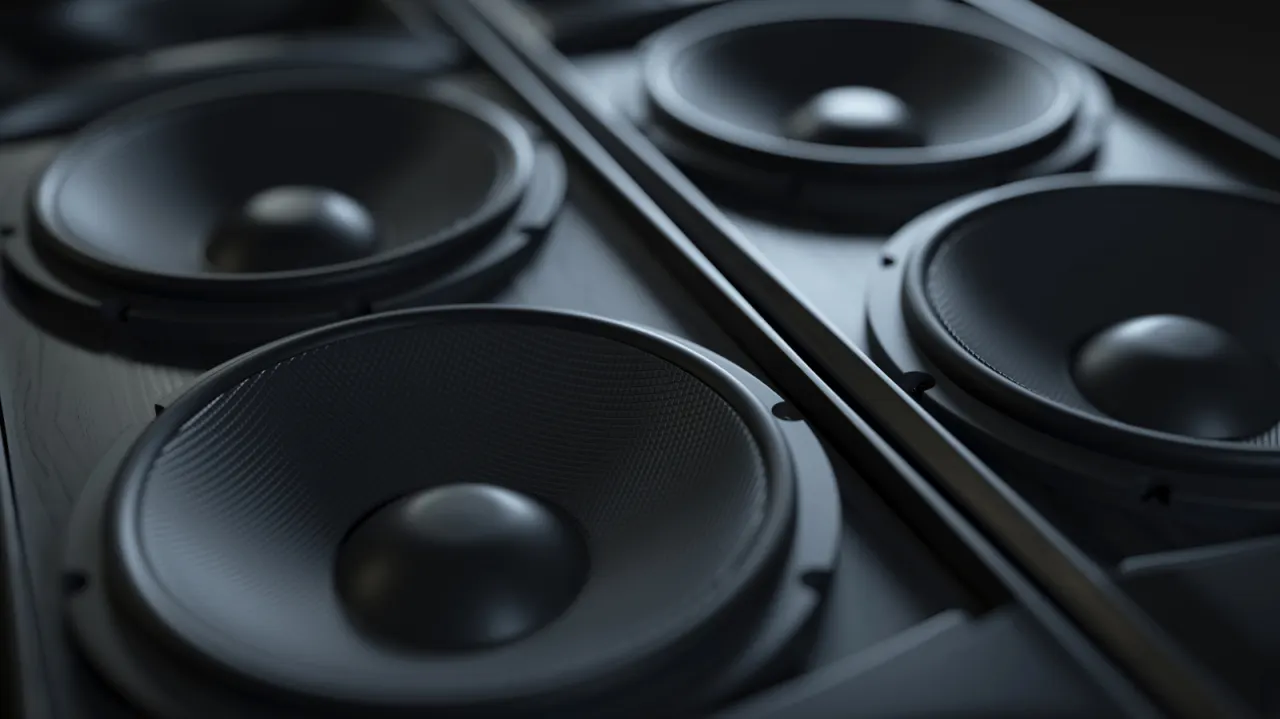
A typical home sound system may use 20 to 50 watts in standby and up to 200 watts at full volume, though actual consumption depends on the equipment. Measuring the draw can help households estimate running costs as they look to manage energy use.
Amplifiers, independently powered speakers and large home theatre systems can use more energy, while louder playback increases consumption. A watt meter or smart plug can measure usage at different volumes and in standby; for example, a 100-watt amplifier used five hours daily consumes 15 kWh a month, costing about $2.94 at the article’s stated US rate of 19.6 cents per kWh.
In short
- Sound systems can draw up to 200 watts at full volume.
- Equipment and listening habits affect energy use.
- A watt meter can help estimate running costs.
Explained simply
A home sound system can include a receiver or amplifier, speakers and, in a home theatre, equipment for surround sound. These parts use electricity even when they are not playing, although the amount varies between systems.
The wattage shows how quickly a device uses energy; the electricity bill depends on how long it runs and the price charged per unit of energy. Measuring a system in standby and while playing can help households understand its contribution to their electricity use.
Read the full article at the source →
Originally published by Engadget as “How much electricity does your home sound system typically use?”.