World news and discussion on TalkFuse.
A guide to fall allergies: What causes them, symptoms — and how to get relief
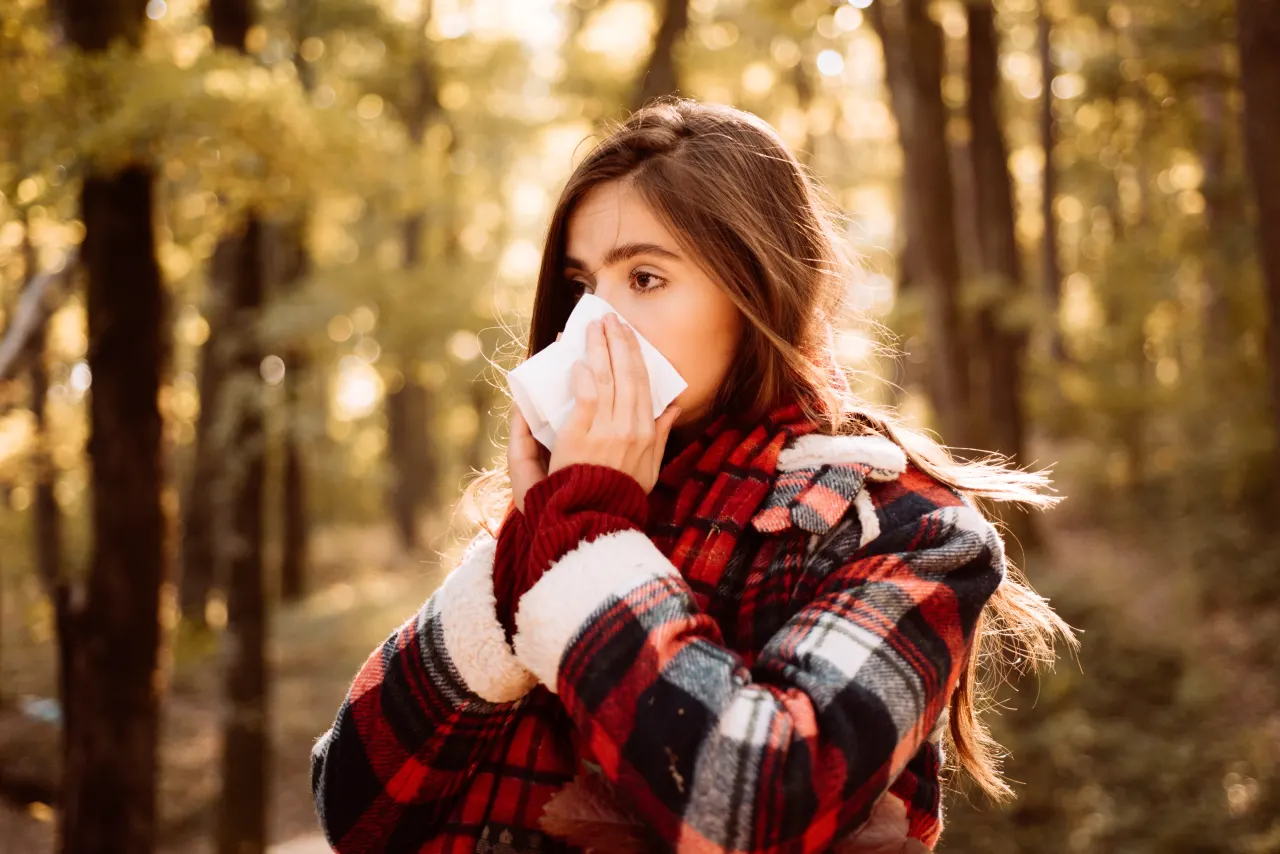
Fall allergies, or allergic rhinitis, affect millions and can cause symptoms that resemble a cold, including a runny nose, congestion, itchy eyes and cough. The main autumn triggers are ragweed pollen and mould spores from damp, decaying leaves; warmer-than-usual weather may also extend grass pollen exposure.
To reduce symptoms, the article recommends identifying triggers, clearing wet leaves, limiting dust and pet hair, and showering and changing clothes after being outdoors. It says to begin medicines before the season, typically in August, and continue through November; nasal steroid and antihistamine sprays are highlighted, while experts stress using a chosen antihistamine consistently. Checking pollen counts and wearing an N95 mask when going outside on high-count days may also help.
In short
- Ragweed pollen and mould spores are common autumn allergy triggers.
- Start treatment before symptoms begin and use it consistently.
- Reduce pollen exposure by checking counts and changing after time outdoors.