World news and discussion on TalkFuse.
ICC closes case on crimes committed by US forces in Afghanistan
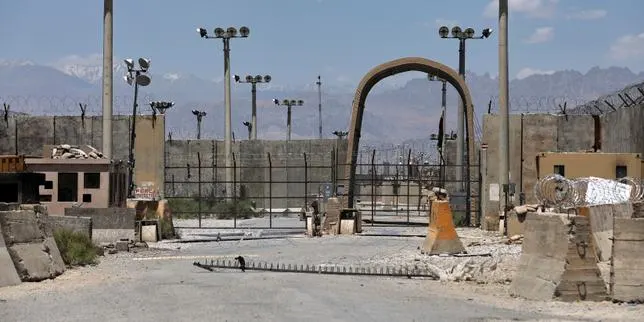
International Criminal Court judges have closed the Afghanistan investigation’s line of inquiry into alleged crimes by US forces, including torture and sexual abuse. The decision removes the prospect of ICC proceedings arising from those allegations for now and comes amid US pressure on the court; prosecutors have appealed.
The investigation covered alleged abuse at Bagram in 2003 and 2004, as well as secret CIA prisons in several European countries. Judges cited significant limits on the prosecution’s ability to investigate and secure evidence, and said it was too late to begin proceedings. The separate ICC investigation into crimes by the Taliban since 2021 remains active, including proceedings against four senior Taliban figures.
In short
- ICC judges closed the Afghanistan inquiry into alleged US crimes.
- Prosecutors have appealed the decision.
- The Taliban investigation remains active.
Steelman: both sides, in good faith
The strongest fair case each way — we don't pick a winner.
The case for
Closing the inquiry can be defended as a practical response to serious limits on investigators’ ability to gather evidence and to the judges’ finding that proceedings could no longer begin in time. A court must apply its procedural rules consistently and avoid pursuing cases it cannot fairly and effectively try; the decision does not erase the allegations or prevent the separate Taliban inquiry from continuing.
The case against
Keeping the inquiry open, as prosecutors seek on appeal, can be defended on the grounds that alleged torture and sexual abuse by state forces warrant independent scrutiny, especially where access to evidence has been obstructed. Ending the case because investigation is difficult or delayed risks leaving serious allegations without judicial examination and may weaken confidence that the court can pursue accountability even when a powerful state resists its authority.
Explained simply
The International Criminal Court investigates and prosecutes individuals accused of serious crimes when national courts are unable or unwilling to act. It is separate from the United Nations and has no police force of its own, so it relies on governments and other sources to obtain evidence and bring suspects to court.
The Afghanistan investigation covered alleged crimes by several parties to the conflict, including US forces and the CIA, the Taliban and Afghan forces. The US is not a member of the court, which has made its work involving US personnel politically contentious. The case concerning alleged crimes by US forces is distinct from the continuing inquiry into Taliban conduct.
Americas Geopolitics Politics World