Culture news and discussion on TalkFuse.
Why is a travel guide warning tourists Edinburgh is best avoided these days?
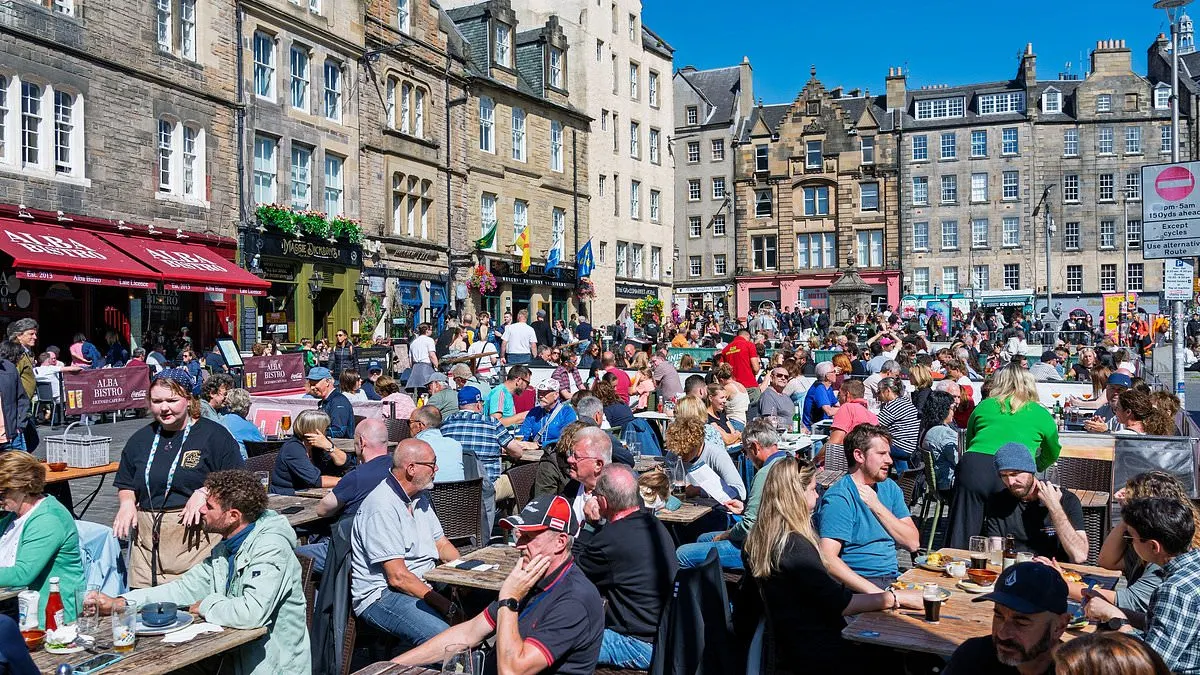
Travel guide company Fodor’s has placed Edinburgh on its 2026 “No List”, saying overtourism is putting pressure on the historic centre, housing and public infrastructure. It suggests visitors who have already seen the main sights consider less crowded destinations until a better balance is restored, while stressing that the city is not being written off.
Fodor’s points to visitor concentration in the Old Town, busy festival seasons and short-term rentals as concerns. A study cited by the guide ranked Edinburgh the third most expensive of 50 cities surveyed, with a two-night trip for two costing £668. The city introduced a 5 per cent visitor levy in July, capped at five consecutive nights; its proceeds are intended to support a fund targeting £5 million a year and 472 affordable homes over three years. Fodor’s says the charge does not apply to day-trippers and may not prevent overcrowding.
In short
- Fodor’s put Edinburgh on its 2026 “No List” over tourism pressures.
- A two-night trip for two was estimated at £668.
- The visitor levy aims to help fund affordable housing.
Steelman: both sides, in good faith
The strongest fair case each way — we don't pick a winner.
The case for
Fodor’s warning may help visitors recognise that heavy tourism can strain Edinburgh’s historic centre, public services and housing, particularly when crowds concentrate in the Old Town and during festivals. Encouraging repeat visitors to consider other destinations could ease pressure while giving the city time to improve the balance between tourism and residents’ needs; the visitor levy may help fund housing and local improvements but does not directly address day-tripper crowds.
The case against
Edinburgh’s tourism supports local businesses, jobs and the cultural life that makes the city attractive, and a broad warning to avoid it could unfairly harm those who depend on visitors. The city is not being written off, and its levy is intended to help fund affordable homes and other priorities; targeted management of crowded areas and visitor seasons may be preferable to discouraging tourism across the city.
Explained simply
Edinburgh is Scotland’s capital and a major visitor destination, known for its historic Old Town, castle and summer festivals. Many visitors head to the same central areas, while the city’s popularity has also drawn attention to the availability and cost of housing and pressure on public services.
Fodor’s is a travel guide company that publishes advice on destinations. Its “No List” highlights places it considers under strain from tourism; being included is not a ban or a declaration that a city has nothing to offer. The debate matters because Edinburgh depends on visitors while also trying to manage their effects on residents and the city’s historic centre.