World news and discussion on TalkFuse.
Even Red Ed admits that cosying up to Brussels will come at a cost for Britain
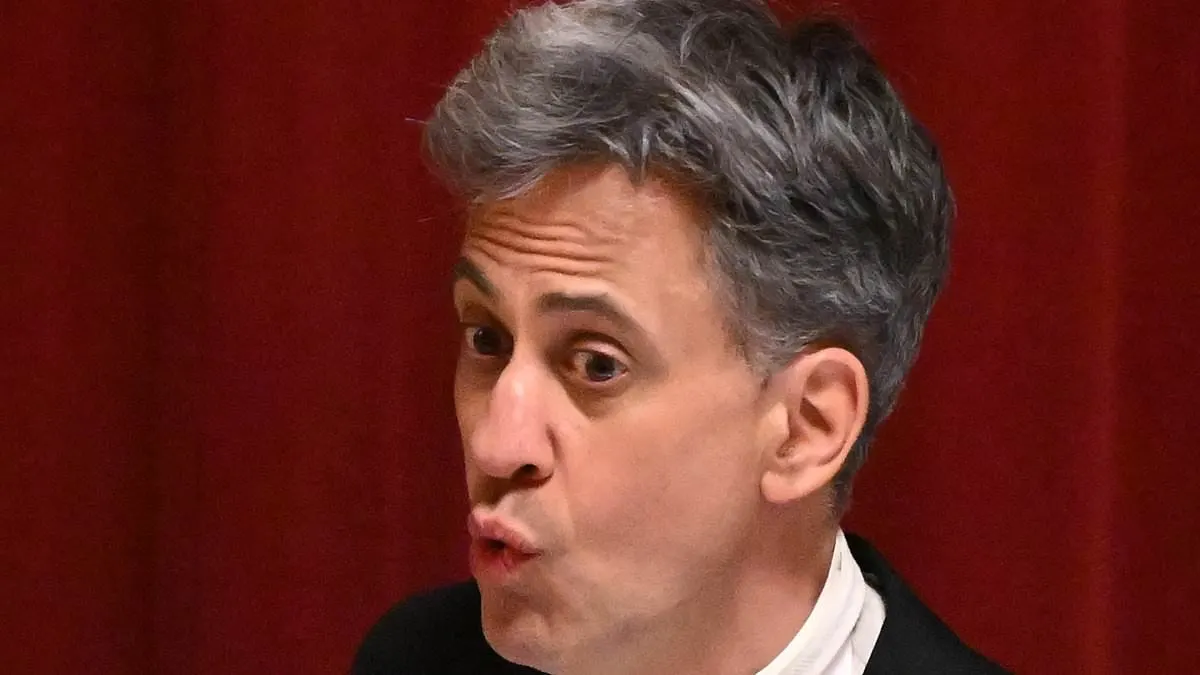
The article reports that Labour’s planned closer relationship with the EU would involve trade-offs for Britain, including following some European rules without having a vote on them. The issue matters because the Government says it wants to improve trade and everyday life while staying within its Brexit red lines, but the arrangements could limit future choices.
Prime Minister Andy Burnham is expected to present legislation for the reset to Parliament next week and use a Brussels summit to begin a wider discussion about future relations. The initial package is expected to cover food, emissions trading and youth mobility; Europe minister Hamish Falconer said the UK would have a voice but no vote on food and drink rules, while arguing alignment could reduce import costs. The article also reports a proposed compensation payment if a future government withdraws from the deal, and notes that Foreign Secretary Ed Miliband said each longer-term option would bring costs and benefits.
In short
- Labour acknowledges closer EU ties would involve trade-offs.
- The UK would follow some food rules without voting on them.
- A proposed penalty could apply if a future government withdraws.
Steelman: both sides, in good faith
The strongest fair case each way — we don't pick a winner.
The case for
Closer alignment with EU rules could reduce barriers and costs for British food and drink businesses, support trade and make everyday life easier. Accepting some rules without a vote may be a reasonable trade-off if the UK gains a voice in discussions and the economic benefits outweigh the loss of influence.
The case against
Following EU rules without a vote could limit Britain’s ability to set policies suited to its own priorities, and commitments such as compensation for withdrawal may constrain future governments. Even if alignment brings short-term trade benefits, critics can reasonably argue that the costs to democratic control and future choice are too high.
Explained simply
The UK left the European Union in 2020, ending its membership of the EU single market and customs union. Since then, governments have had to balance closer economic links with Europe against keeping more control over UK laws and policy.
The EU sets shared rules for areas such as food standards and trade between its members. A closer UK relationship could make some cross-border trade simpler, but could also mean following certain EU rules without taking part in the decisions that set them.
The main figures in this debate are Prime Minister Andy Burnham and ministers responsible for relations with Europe. The choices matter to businesses and consumers, as well as to future governments deciding how much freedom the UK should retain to change its rules.