Technology news and discussion on TalkFuse.
Elon Musk’s spectacular SpaceX feats leave the leftists more rabid than ever
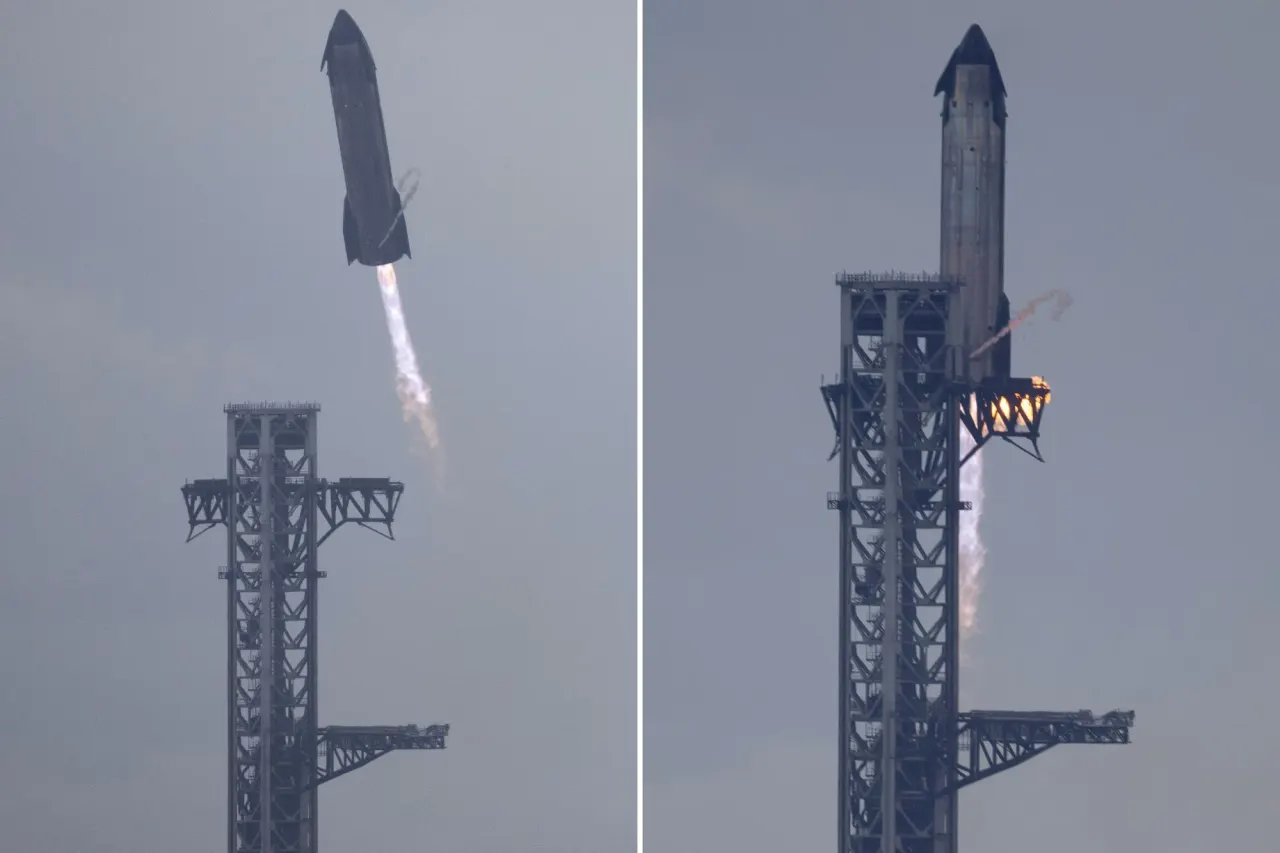
SpaceX launched its largest spaceship to date, deployed new-design satellites, then brought the vehicle back to Earth for a controlled landing and capture. The opinion article presents these achievements as evidence that Elon Musk’s plans could expand space travel and access to resources, while arguing that political opposition to him is growing.
It says incoming Texas Democrats may try to restrict beach closures needed for launches and oppose new data centres planned by Musk’s xAI, while congressional Democrats are considering investigations into his past government-efficiency work. The author links hostility towards Musk to his acquisition of Twitter, his political positions and opposition to socialism. The article also makes broad claims about the benefits of Starship and Neuralink, without providing supporting evidence for them.
In short
- SpaceX completed a launch, satellite deployment and vehicle recovery.
- The author argues Musk’s political opponents may hinder future projects.
- The piece links criticism of Musk to his politics and business decisions.
Steelman: both sides, in good faith
The strongest fair case each way — we don't pick a winner.
The case for
SpaceX’s launch, satellite deployment and controlled return show substantial engineering progress, and supporters argue that continued investment could expand spaceflight and bring wider benefits. They may also see predictable access to launch sites and data-centre infrastructure as important for innovation, while investigations into Musk’s government work should be grounded in evidence and fair process.
The case against
Critics can support space innovation while questioning the environmental and public costs of beach closures, the local impact of large data centres, and the oversight of Musk’s past government role. They may argue that scrutiny of a powerful business leader is legitimate, and that claims about future benefits from Starship or Neuralink should be treated cautiously until supported by evidence.
Explained simply
SpaceX is a private spaceflight company founded by Elon Musk, which also leads the electric-car firm Tesla and the social media company X, formerly Twitter. Its Starship vehicle is designed to carry people and cargo, while its satellite network, Starlink, provides internet access from space.
SpaceX launches from Texas, where access to coastal areas can be restricted for safety during flights. Musk’s other ventures include xAI, an artificial intelligence company, and Neuralink, which develops technology intended to connect computers with the brain. These projects have drawn attention alongside his public political views and role in a past US government efficiency initiative.
The debate matters because private companies are taking on a larger role in spaceflight and related infrastructure, while their activities can affect local communities and become subjects of political scrutiny. Claims about what these technologies may achieve are distinct from evidence of what they can do today.