Politics news and discussion on TalkFuse.
Brexit blame game erupts as Lib Dems lash out at PM over small boats crisis
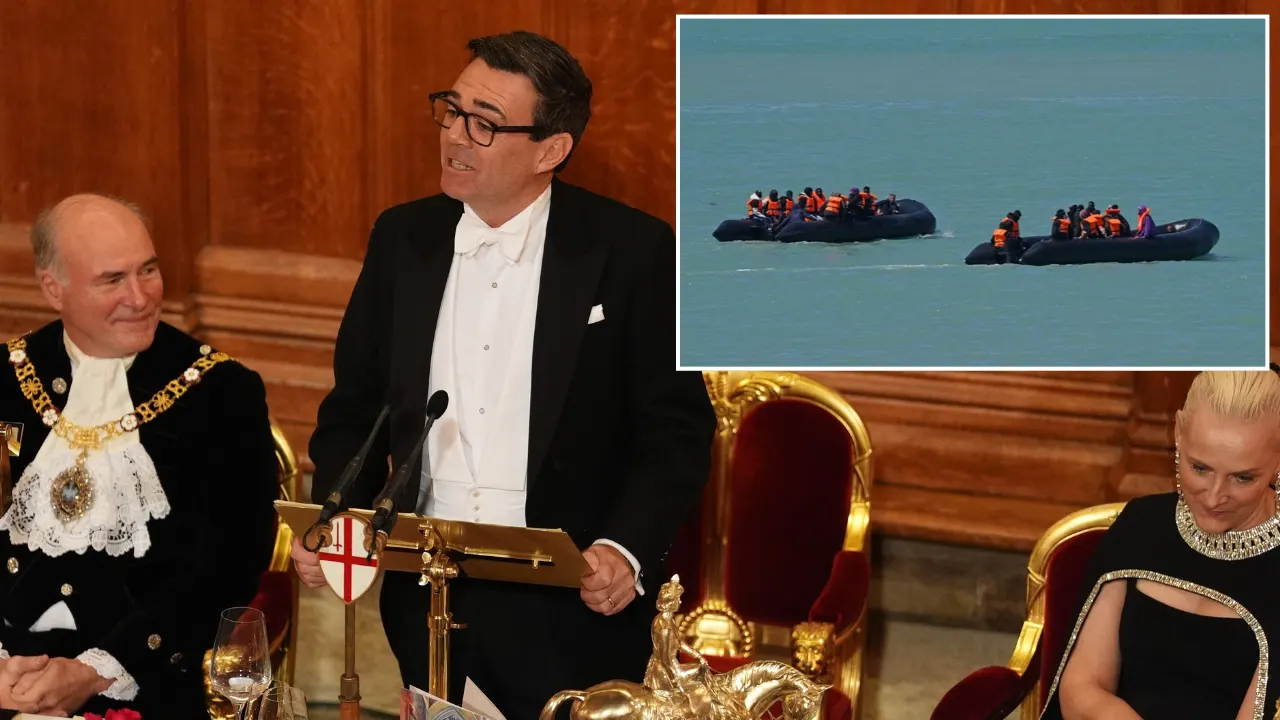
The Liberal Democrats are pressing Prime Minister Andy Burnham to publish an assessment of how Brexit has affected migration, as Parliament considers the Immigration and Asylum Bill. Their request follows conflicting views within the Government: Burnham has linked Brexit to the small boats crisis, while Home Secretary Shabana Mahmood has said that explanation goes too far. The party says the public needs evidence to judge the Government’s migration policy.
The proposed assessment would compare EU free movement with later immigration rules, including how many people settled or left, and examine irregular arrivals before and after the Brexit transition period. The article says small boat crossings became an issue in 2018, before Brexit, while legal migration reached almost one million in 2023 under the post-Brexit points-based system. The Liberal Democrats also want the UK to join the EU Migration and Asylum Pact, though Mahmood has rejected the idea that it would be a “silver bullet”.
In short
- Lib Dems want a formal assessment of Brexit’s effect on migration.
- Burnham and Mahmood disagree over Brexit’s role in small boat crossings.
- Legal migration reached almost one million in 2023.
Steelman: both sides, in good faith
The strongest fair case each way — we don't pick a winner.
The case for
A published assessment could help Parliament and the public distinguish Brexit’s effects from other factors shaping migration, and test competing claims against evidence. Comparing legal migration and irregular arrivals across different periods could make policy choices more transparent and improve scrutiny of the Government’s approach.
The case against
The timing alone cannot establish that Brexit caused the rise in small boat crossings: they began before the UK left the EU, and the pressures behind irregular migration may have several causes. A formal assessment could risk overstating what comparisons across changing periods can show, while joining the EU pact may offer no simple or decisive solution.
Explained simply
Brexit changed how people from EU countries can move to and work in the UK. Before the UK left the EU, free movement allowed EU citizens to live and work here under shared rules; since then, most people coming to the UK for work have been subject to a points-based visa system.
Small boats crossing the Channel are one form of irregular migration, meaning people arrive outside the usual visa and border processes. Crossings began attracting attention before the Brexit transition period ended, while legal migration also rose under the later system, so changes in migration cannot be explained by one measure alone.
The Prime Minister sets the Government’s overall direction, while the Home Secretary leads on immigration and border policy. The Liberal Democrats are an opposition party, and their call for an assessment reflects wider debate about how Brexit, legal migration and irregular arrivals relate to each other.