Business news and discussion on TalkFuse.
Is £750m a week the real cost of rejoining the EU – or the Brexit bus myth all over again?
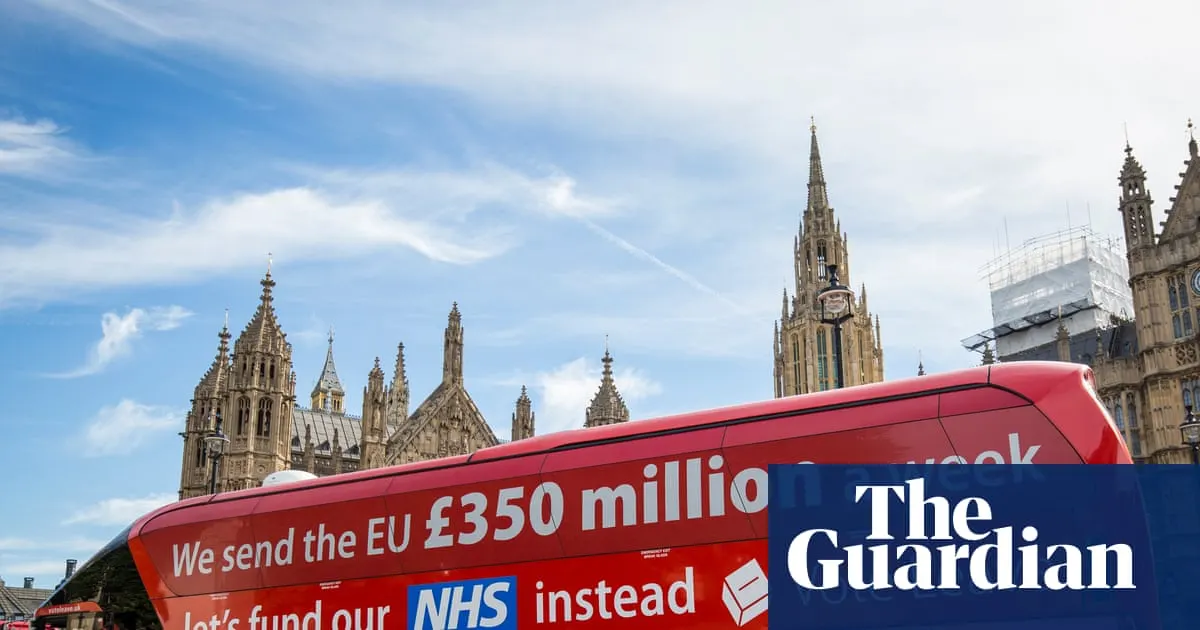
Stay Out, a campaign group led by figures involved in Vote Leave, says rejoining the EU would cost the UK £750m a week. The claim is based on the EU’s proposed 2028–34 budget and uses a gross contribution figure, so it excludes money that could return to Britain and broader economic effects.
The analysis assumes the UK would contribute according to its size and wealth, receive no rebate, and help repay EU pandemic recovery loans taken out after Brexit. The budget is still under negotiation, and the article says the final figure is likely to be lower; John Springford of the Centre for European Reform calls the estimate misleading. He estimates Brexit-related losses to national income at £3bn to £3.5bn a week, with a further £1bn to £1.3bn in potential tax revenue lost.
In short
- Stay Out puts rejoining the EU at £750m a week.
- The estimate is a gross figure built on uncertain assumptions.
- Brexit-related economic losses may be larger, according to one analysis.
Steelman: both sides, in good faith
The strongest fair case each way — we don't pick a winner.
The case for
Those warning of a £750m weekly cost can argue that any decision to rejoin should be judged against the full potential public contribution, including a share of EU borrowing, rather than a headline estimate of net payments. The proposed budget is unsettled and the UK’s eventual terms are unknown, but assuming a large, wealthy member with no rebate offers a cautionary scenario for voters weighing sovereignty and spending priorities.
The case against
Critics can argue that £750m is a gross, assumption-heavy estimate, not a reliable forecast of what membership would cost: it assumes no rebate, includes pandemic-loan repayments, and ignores funds that might return to the UK. They also contend that the comparison should include the economic and tax costs of Brexit, which one analyst estimates exceed the claimed weekly contribution, while the EU budget remains under negotiation.
Explained simply
The EU is funded by contributions from member countries, calculated partly according to the size of their economies, and it spends money on shared programmes. A country’s gross contribution is the amount it pays in before accounting for EU funds that may come back to it.
Stay Out is a campaign group led by people involved in Vote Leave, the campaign for Britain to leave the EU. Any UK contribution on rejoining would depend on the membership terms, including possible rebates, EU spending in Britain and the final EU budget; that budget is negotiated by member countries.
The debate matters because estimates of membership costs depend on what is counted, while Brexit may also affect the UK economy and tax income. Comparing those effects involves uncertainty and different assumptions about what would have happened under each arrangement.
Business Elections Europe Politics UK World