World news and discussion on TalkFuse.
A new defense for Ukraine’s corruption suspects: Anti-graft probes help Russia at the negotiating table
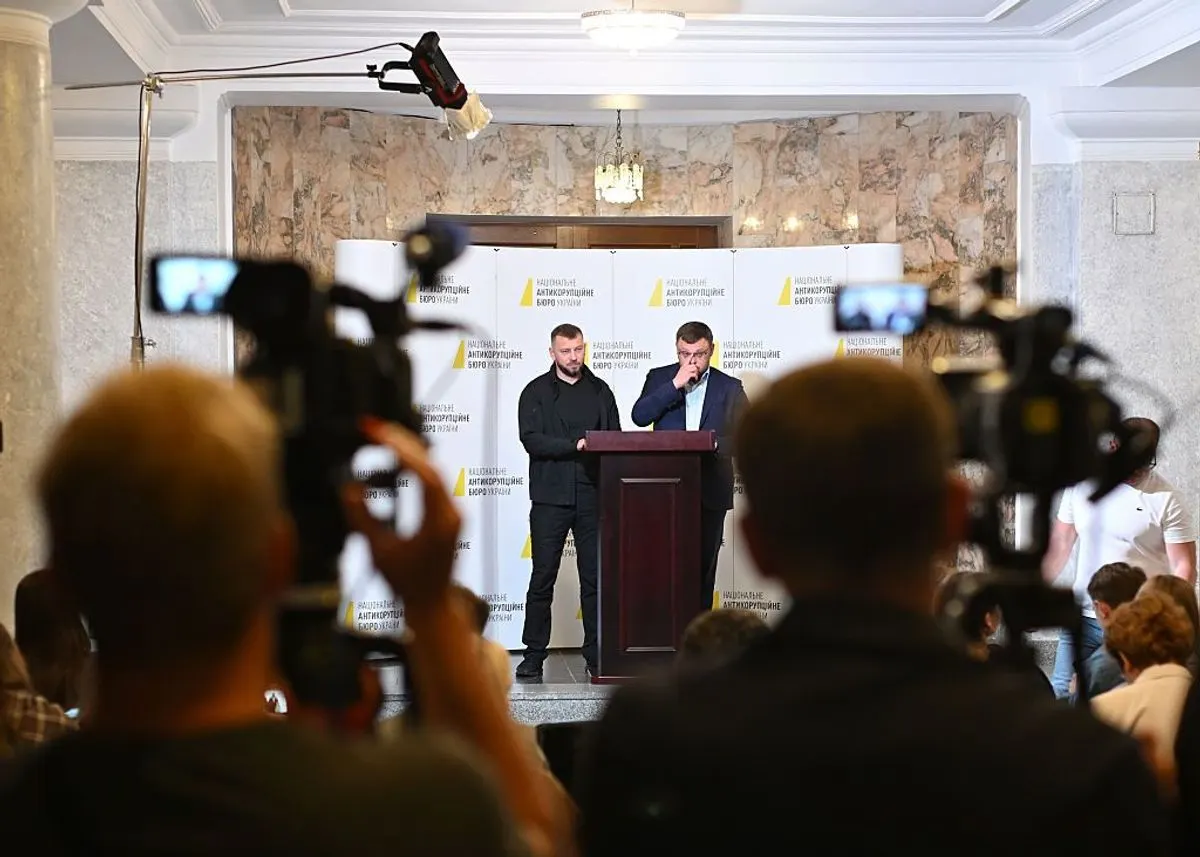
Several Ukrainian officials facing corruption investigations have claimed that anti-graft probes could weaken Kyiv’s position in peace negotiations with Russia and pressure Ukraine into accepting an unfavourable deal. The article argues that this framing diverts attention from the allegations and revives claims that Western-backed watchdogs serve foreign interests.
One prominent example is Serhiy Duka, an SBU official charged with complicity in an organised crime group, who was released on Hr 65 million (£1.2 million) bail on 13 November. Investigators allege the network was involved in drug trafficking, counterfeit currency and intimidation, and that Duka helped its leaders evade detection; released recordings are also said to indicate links with Russia’s FSB. Anti-corruption advocate Daria Kaleniuk says corruption and collusion, rather than the investigations, undermine peace efforts.
In short
- Officials under investigation say anti-graft probes could hurt peace talks.
- SBU official Serhiy Duka was released on Hr 65 million bail.
- Investigators allege his case involves organised crime and contacts with Russia’s FSB.
Steelman: both sides, in good faith
The strongest fair case each way — we don't pick a winner.
The case for
Those raising the concern could argue that public investigations of senior officials during wartime may expose divisions, weaken trust in Kyiv and give Russia material to use in negotiations. If probes are selectively timed or politically influenced, they could also unsettle institutions and make Ukraine’s position harder to sustain, even while legitimate accountability remains important.
The case against
The counterargument is that credible, independent investigations can strengthen Ukraine’s institutions and public trust, both of which matter to its resilience and negotiating position. Treating scrutiny as harmful because it may embarrass Kyiv risks shielding officials from accountability; where allegations are supported by evidence, addressing possible corruption or collusion may help protect the country from internal vulnerabilities.
Explained simply
Ukraine’s anti-corruption bodies investigate suspected wrongdoing by public officials and work alongside the country’s law-enforcement agencies. Their role has been contested, with some officials and critics arguing that the investigations can serve outside interests or weaken Ukraine during wartime.
Serhiy Duka is an official in Ukraine’s Security Service, known as the SBU. He has been charged in a case involving alleged organised crime and was released on bail; investigators have made claims about the group’s activities and possible links to Russia, which remain allegations.
The debate matters because Ukraine faces pressure to defend itself while also pursuing any suspected corruption within its institutions. It also touches on how the country’s conduct and internal stability may affect its position in discussions about a possible peace deal with Russia.