World news and discussion on TalkFuse.
Trump’s New A.I. Chip Rules Rattle Southeast Asia
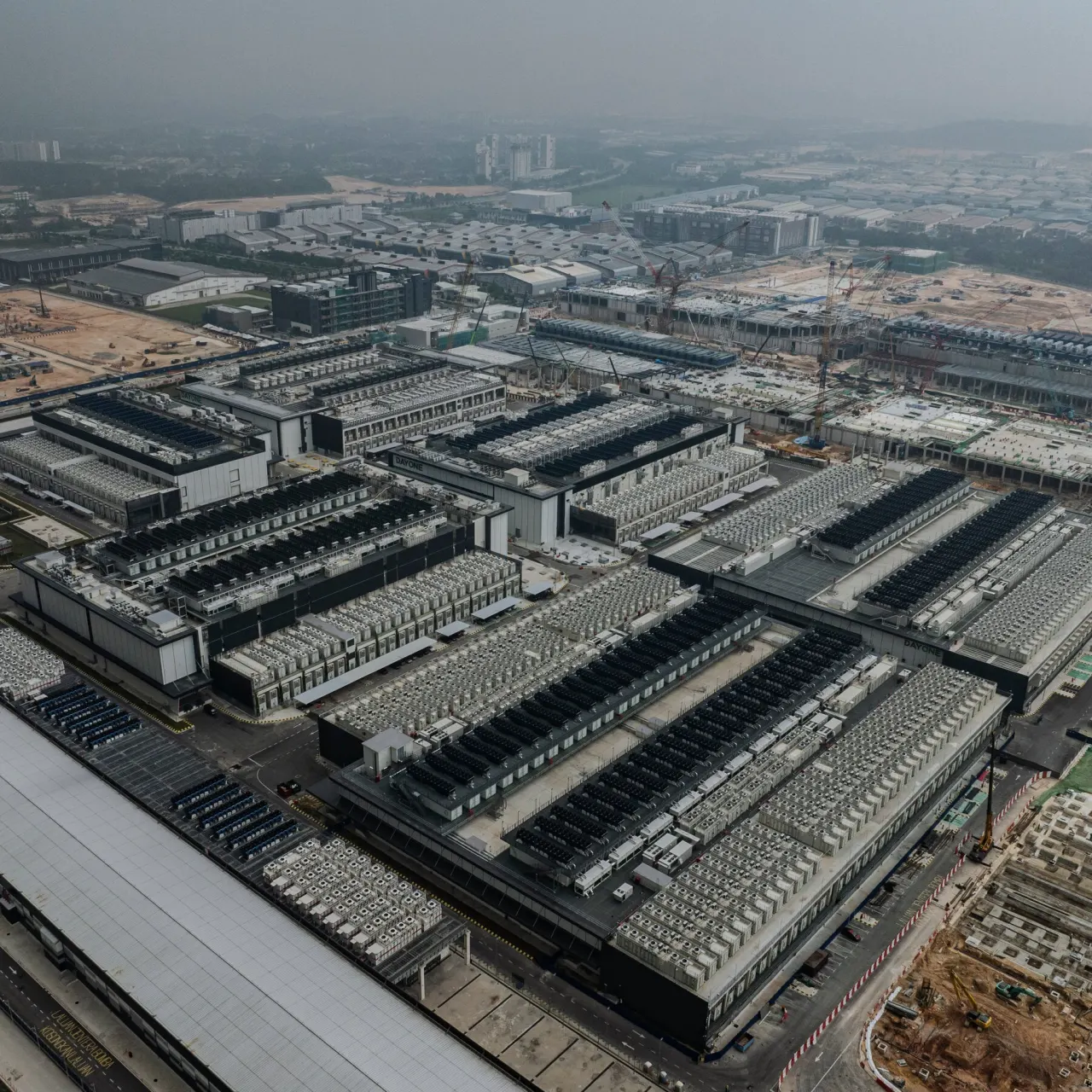
The Trump administration’s proposed controls on advanced A.I. chips have unsettled Southeast Asian countries that host data centres used by Chinese companies. The rules could disrupt billions of dollars in investment and force governments in the region to balance economic ties with China against pressure from Washington.
Taking effect in 90 days, the 132-page policy would require U.S. licences for overseas data centres supplying significant computing power to companies in high-risk countries, including China, and for advanced chip exports to firms based in Malaysia, Singapore, Thailand, Indonesia and Brazil. Singapore is investigating data centre company Megaspeed and discussing the rules with U.S. authorities; Indonesia is consulting industry and developing a trade framework. The announcement coincided with regional diplomacy and falling shares in several Chinese technology companies.
In short
- U.S. chip rules could affect Southeast Asia’s data centre boom.
- The policy takes effect in 90 days.
- Singapore and Indonesia are assessing how to respond.
Steelman: both sides, in good faith
The strongest fair case each way — we don't pick a winner.
The case for
Supporters could argue that advanced chips and large-scale computing capacity have strategic and security implications, so licensing rules are a way to limit their use by high-risk states while preserving oversight of exports. They may also see clear rules as protecting sensitive technology and encouraging governments and companies to account for where powerful computing infrastructure is located.
The case against
Critics could argue that extending U.S. licensing requirements to overseas data centres and firms in Southeast Asia reaches beyond direct exports and creates uncertainty for legitimate investment and research. They may see the policy as pressuring countries to choose between economic ties with China and access to U.S. technology, potentially disrupting regional growth and trade.
Explained simply
Advanced AI systems are trained using large numbers of specialised computer chips, which need substantial electricity and data-centre space. Because many of these chips are designed or made by US companies, Washington can use export licences to influence who can obtain them and where they are used.
Southeast Asia has become an important location for data centres, including facilities serving Chinese technology firms. Countries such as Singapore, Malaysia, Thailand and Indonesia have sought investment in these facilities while maintaining trade with both China and the United States.
The issue matters because new restrictions could affect investment, technology access and regional trade. Governments in the region may need to weigh the economic role of data centres against US concerns about advanced computing reaching China.