World news and discussion on TalkFuse.
Retail spending slowed in October as high prices gave shoppers pause
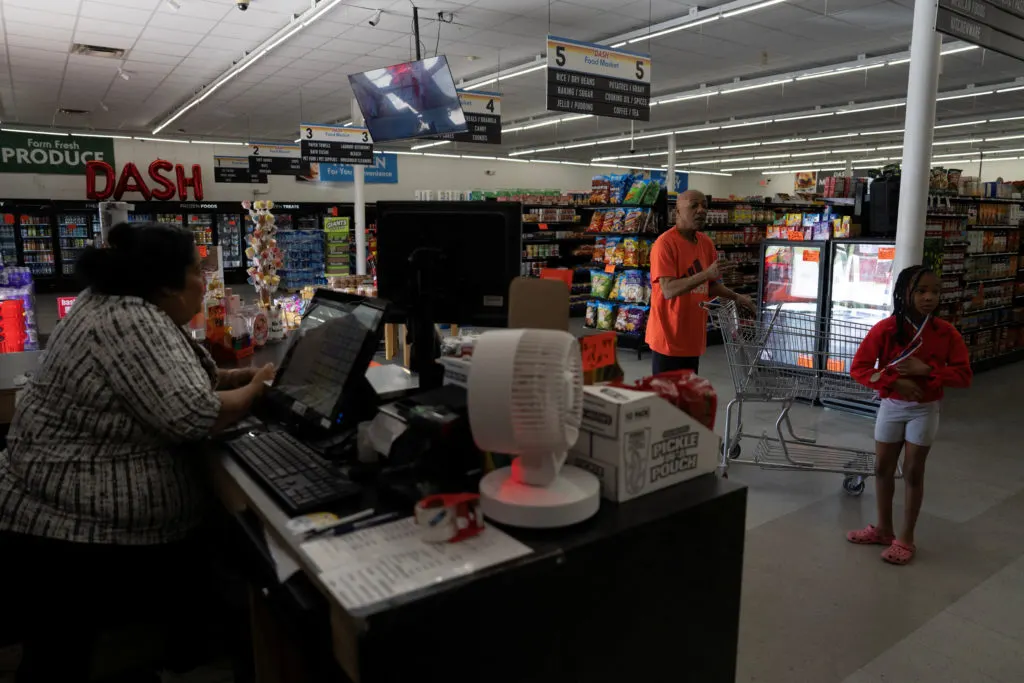
US retail sales rose by 0.2% in October, slowing from September’s 0.8% increase as economic uncertainty and high prices led shoppers to curb purchases. The figures suggest household budgets are under strain as the holiday shopping season approaches.
Sales at car and parts dealers fell 1.6%, while clothing, furniture and hobby retailers also reported declines. Gas station sales rose 1.5% after a sharp September jump; excluding fuel, sales grew 0.1%. Online retail sales increased 1.2%, and the control group used to assess economic growth rose 0.6%. Inflation-adjusted consumer spending was negative, though lower petrol prices in November may ease some pressure.
In short
- October retail sales growth slowed to 0.2%.
- High prices and uncertainty weighed on shoppers.
- Online sales and the economic control group grew.
Steelman: both sides, in good faith
The strongest fair case each way — we don't pick a winner.
The case for
The slowdown suggests that high prices and uncertainty are squeezing household budgets, leaving families less able or willing to spend as the holiday season approaches. Declines at several types of retailers and negative inflation-adjusted spending strengthen the case that consumers are under pressure, even as online sales and the growth-oriented control group rose.
The case against
A modest rise in overall sales does not by itself show that households are broadly struggling: the control group grew 0.6%, online sales rose, and some categories may fluctuate from month to month. The figures also include higher prices, while lower petrol costs could ease pressure, so October’s slowdown may reflect caution or shifting purchases rather than a sustained decline in consumer demand.
Explained simply
Retail sales track how much households spend at shops and online, and are a closely watched measure of consumer demand in the United States. Consumer spending matters because it makes up a large part of the US economy.
The figures cover a range of businesses, from car dealers and clothing shops to online retailers and petrol stations. Changes in prices can affect how far household budgets go, so sales measured in pounds or dollars may rise even when shoppers are buying less.
Shoppers, retailers and economists watch spending as the holiday shopping season begins. It can offer clues about household finances and the wider economy, though one month’s figures do not show the whole picture.