World news and discussion on TalkFuse.
Vilnius will not budge on ‘absolutely complicit’ Belarus, Lithuania’s FM says
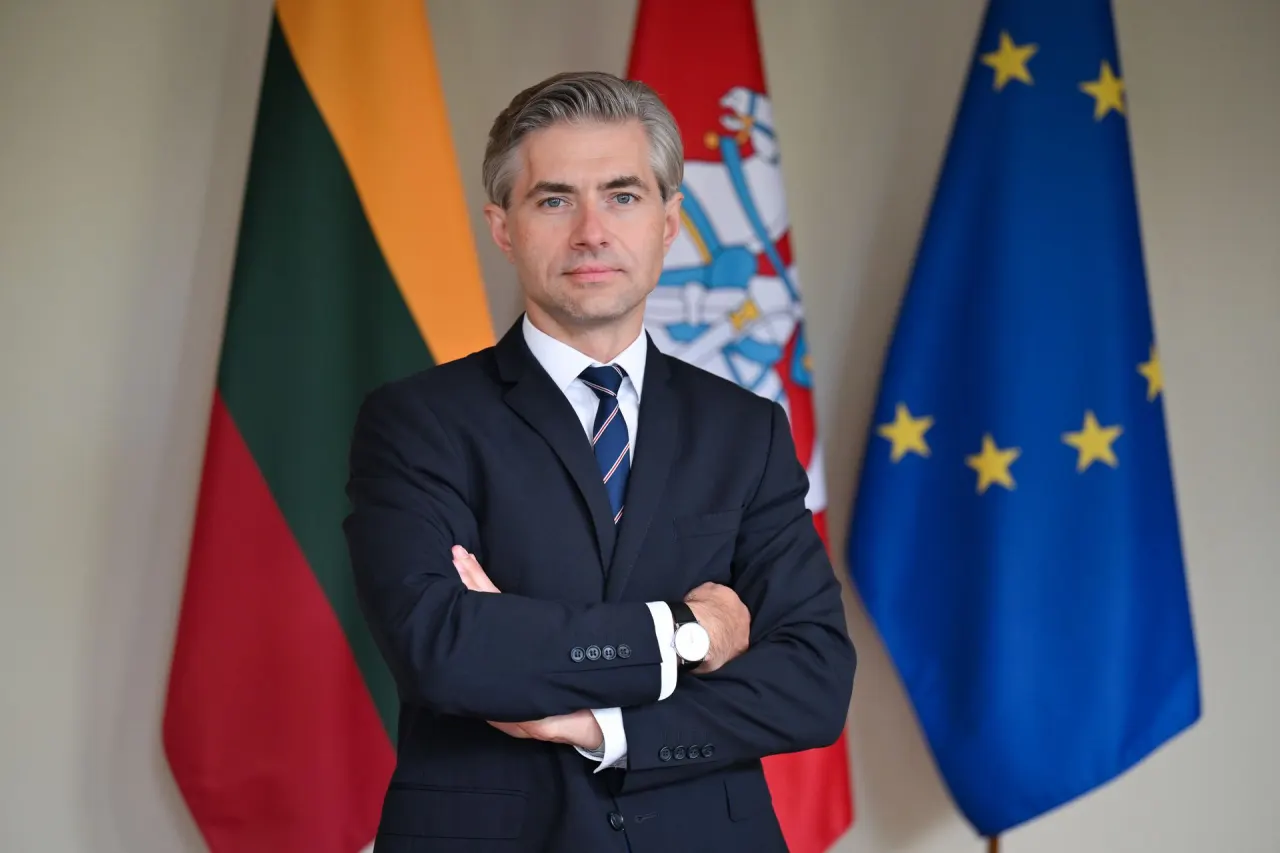
Lithuania will maintain sanctions and other restrictions on Belarus, Foreign Minister Kestutis Budrys said, arguing that Minsk remains complicit in Russia’s invasion of Ukraine. His comments come as the United States explores allowing Belarusian potash exports through Lithuanian ports and Belarus’s democratic opposition seeks a place in discussions about ending the war.
Budrys said he saw Belarus as having little independent role and described Russia’s presence there as a bargaining chip for future negotiations. He expects EU sanctions, due for renewal in February 2027, to be extended for another year with few changes; he said Washington had put no pressure on the EU to alter its stance. Lithuania has also increased checks on grain from Belarus and Russia passing through Klaipeda to investigate its origin and prevent grain taken from occupied Ukrainian territory from being exported.
In short
- Lithuania says it will not ease pressure on Belarus.
- Budrys expects EU sanctions to be extended in 2027.
- Klaipeda is checking grain shipments for possible Ukrainian origins.
Steelman: both sides, in good faith
The strongest fair case each way — we don't pick a winner.
The case for
Maintaining sanctions and tighter checks is defensible if Belarus continues to enable Russia’s invasion: easing restrictions could bring Minsk revenue and weaken pressure for it to change course. Careful checks on grain can also help prevent goods taken from occupied Ukrainian territory from entering trade, while a stable EU position may strengthen its negotiating leverage.
The case against
A case for selective easing is that permitting Belarusian potash exports through Lithuanian ports could serve economic and diplomatic interests without ending sanctions across the board. Including Belarusian democratic opposition in discussions about the war could also give a voice to those opposing Minsk’s policies, while treating Belarus as wholly subordinate to Moscow risks overlooking its own agency and the possibility of incentives for a different course.
Explained simply
Belarus is a country led by Alexander Lukashenko, whose government has stayed closely aligned with Russia. Since Russia began its full-scale invasion of Ukraine in 2022, Russian forces have used Belarusian territory, though Belarus has not formally joined the fighting.
Lithuania is an EU and NATO member that borders both Belarus and Russia, and its port of Klaipeda is an important route for trade. EU sanctions restrict dealings with Belarus, including its potash exports, a major source of income for the country.
Belarus’s democratic opposition, which disputes Lukashenko’s rule, has called for a role in talks about ending the war. Any change to sanctions or trade routes could affect pressure on Minsk, regional security and access to markets for Belarusian goods.
Europe Government Politics World