Science news and discussion on TalkFuse.
Nations haggle over draft climate deal at UN talks
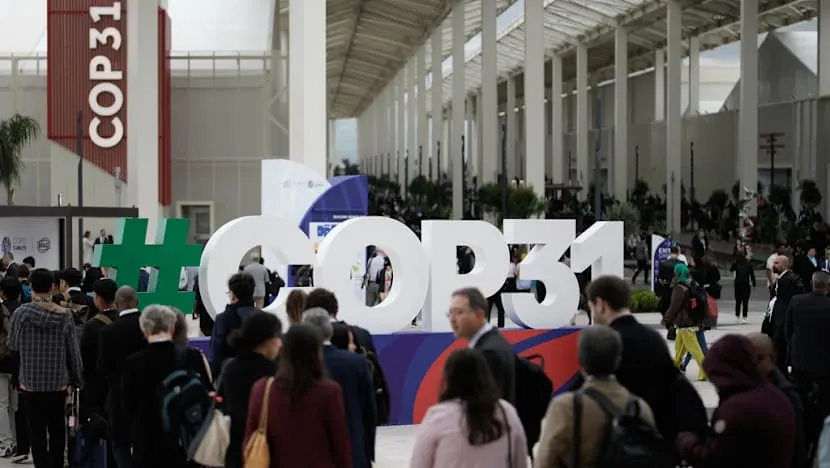
Nations at the COP31 climate talks in Türkiye are struggling to agree on a draft deal covering fossil fuels, climate finance and other contentious issues, with the Friday deadline approaching. The European Union says the text needs major changes, while some delegates doubt a consensus can be reached in time.
The 18-page draft, prepared by summit co-host Australia, includes a call for wealthy nations to reach net zero by 2030 and language on phasing out fossil fuels, which oil-producing countries have resisted. Countries are also divided over whether the next UN climate science assessment should be published before a 2028 global stocktake or delayed until 2029; Australia says it expects to issue at least one more draft.
In short
- COP31 negotiators face a crowded agenda and a tight deadline.
- The draft calls for fossil fuel phaseout and wealthy nations’ net zero by 2030.
- Countries dispute whether a key UN climate report should be delayed to 2029.
Steelman: both sides, in good faith
The strongest fair case each way — we don't pick a winner.
The case for
Supporters of stronger language argue that clear commitments to phase out fossil fuels and accelerate emissions cuts are necessary to limit climate risks, and that the science should inform the 2028 stocktake. They may also see ambitious targets for wealthy nations as a matter of fairness, given their greater resources and historical emissions, and as a way to build trust with countries facing severe climate impacts.
The case against
Those urging caution argue that a deal must be acceptable to countries with different energy needs, economic capacities and reliance on fossil fuel production, or it may lack broad support and prove difficult to implement. They may favour more time to assess the science and negotiate finance and transition plans, rather than endorse deadlines or language they consider impractical or insufficiently agreed.
Explained simply
COP talks are annual UN meetings where governments negotiate how to address climate change. The aim is to reach agreements that countries can support together, although each government has different priorities and decisions are made by consensus.
Countries are debating how quickly to reduce the use of coal, oil and gas, and how much financial help richer nations should provide to countries facing climate impacts. They are also discussing when the next major UN assessment of climate science should be published.
The negotiations involve governments with different economic interests and responsibilities for past emissions. Their decisions can shape international climate efforts, funding and the information used to assess progress.
Climate Geopolitics Politics Science World