World news and discussion on TalkFuse.
Family sues after Maine town ordered them to take down giant rooster ornaments in front yard that bring comfort to adopted daughter, 6, who has autism
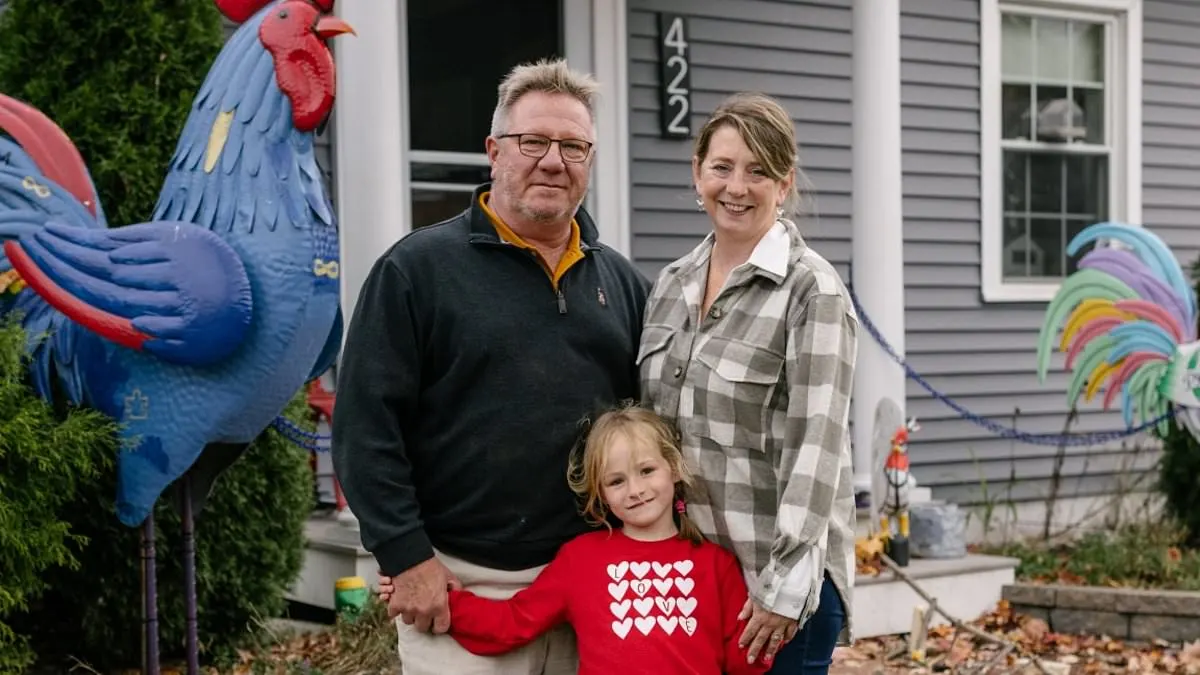
David and Sara LeBlanc have sued the town of Ogunquit, Maine, after officials ordered them to remove large rooster ornaments from their front garden. The couple say the roosters help their six-year-old adopted daughter, Pyper, who has autism, feel comfort and structure; they argue the town wrongly treated the ornaments as advertising and infringed their free-speech rights.
The suit says Pyper chose the first six-foot tin rooster in May 2025 and uses it as a landmark during school-day routines, including waiting for the bus and greeting the statues when she returns. The town reportedly classified the roosters as signs because the family runs the Omelette Factory breakfast business from home, citing a size-limit violation; it fined them $150 in April 2026 and warned of penalties of $250 per day. The couple appealed, and the article says the town’s Zoning Board of Appeals agreed to al—
In short
- Maine family sues over rooster ornaments officials ordered removed.
- The parents say the statues comfort their autistic six-year-old.
- The town treats them as signs linked to the family business.
Steelman: both sides, in good faith
The strongest fair case each way — we don't pick a winner.
The case for
The family can argue that the roosters serve a meaningful role in Pyper’s daily routine and are garden ornaments rather than advertising, so treating them as signs misreads their purpose. If the rules burden harmless expression or are applied without regard to the family’s circumstances, challenging the order may protect both their rights and their daughter’s wellbeing.
The case against
The town can argue that clear, consistently applied limits on large objects or signs help preserve neighbourhood character, safety and fair treatment of residents. If the ornaments’ size or placement falls within the sign rules—particularly given the home-based business—the town may have a legitimate interest in enforcing those rules, while considering any accommodation through its established appeal process.
Explained simply
Ogunquit is a town in Maine, where local zoning rules regulate how land and buildings can be used. The rules may also limit signs on private property, including their size and placement.
David and Sara LeBlanc run a breakfast business from their home. They say their adopted six-year-old daughter, Pyper, who has autism, finds comfort and routine in the large rooster ornaments in the front garden, which she uses as landmarks in her day.
The dispute centres on whether the roosters count as signs under the town’s rules, and how those rules apply to the family’s property. It also raises questions about local regulation, free speech and the needs of a child with autism.