Politics news and discussion on TalkFuse.
Home Office to set national guidance on police impartiality
Developed over time first seen 2 days ago
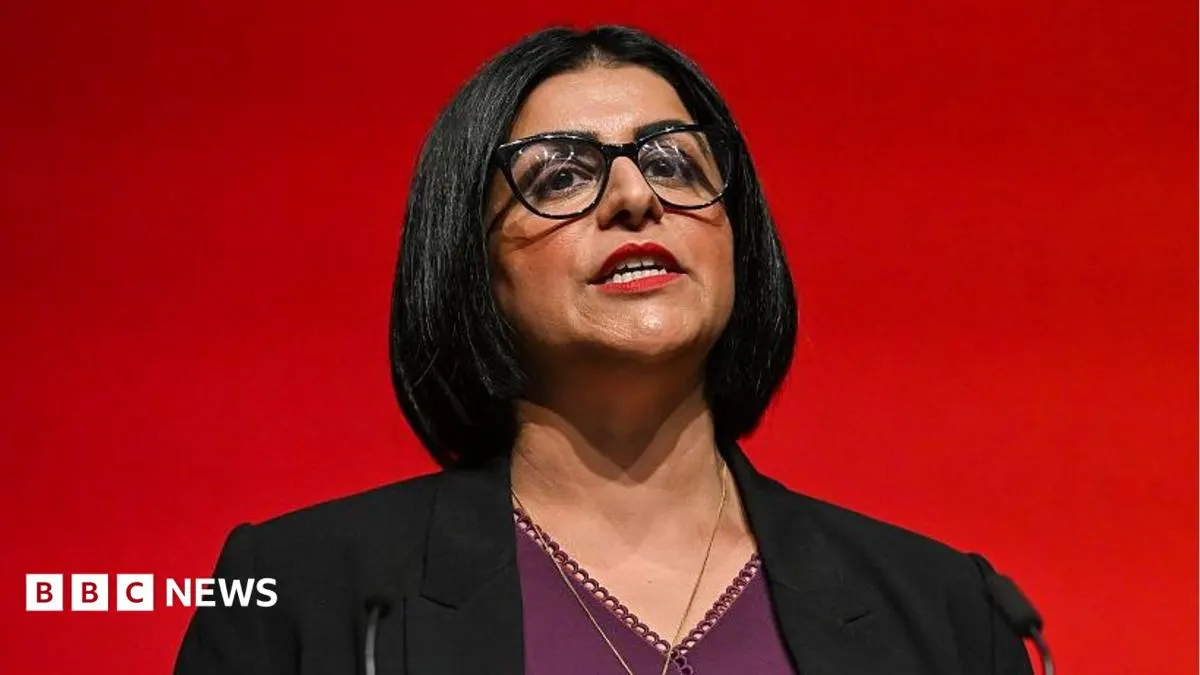
Home Secretary Shabana Mahmood has announced plans for a national standard and clearer guidance on police impartiality, intended to ensure the law is applied consistently and maintain public confidence. She says efforts to address inequality must not lead to people receiving different treatment, while also recognising that policing needs to improve representation and fairness.
The plans respond to claims, made mainly by right-wing politicians including Nigel Farage, that police treat white people differently; critics say this overlooks the longstanding experiences of ethnic minority communities, and some senior police figures reject the idea of two-tier policing. Mahmood says community engagement should not involve endorsing activists’ agendas, and points to the low proportion of black officers. The College of Policing says it will issue guidance in spring, considering impartiality alongside fairness and inclusion.
- Sources
- 2
- Outlets
- 2
- Left · Centre · Right
- 0 · 1 · 1
In short
- The Home Office is setting a national standard on police impartiality.
- Mahmood says equality efforts must not lead to differential treatment.
- Police guidance is due in spring and will address fairness and inclusion.
How this story developed
- 1 day ago The Home Office has added that it is working on a national standard and clear guidance on police impartiality, which the College of Policing plans to publish in spring with fairness and inclusion in view.
- 1 day ago Mahmood’s planned intervention now includes a warning that efforts to address inequality must not result in different treatment, alongside a call to keep community engagement separate from political activism.
- 1 day ago Home Secretary Shabana Mahmood is preparing to tell police chiefs that officers must apply the law consistently, amid claims of “two-tier policing” and concerns that debate about unequal treatment overlooks ethnic minority communities.
Full account
Home Secretary Shabana Mahmood is expected to announce plans for national guidance on police impartiality at the annual National Police Chiefs’ Council conference. The Home Office says the proposed standard will reinforce the principle that everyone is equal before the law and that officers should apply it consistently, drawing on evidence and professional judgement rather than assumptions or stereotypes. The College of Policing, which sets professional standards, is expected to issue guidance in the spring.
Mahmood is due to say that most officers serve without fear or favour, while acknowledging that instances of unequal treatment can damage confidence and give force to claims of “two-tier policing”. She will warn against attempts to address inequality in ways that result in different treatment, and argue that engagement with communities should not become alignment with activists or political causes. She is also expected to say that the public should be able to trust policing as impartial.
The proposal follows debate over earlier NPCC race guidance, which said fair policing did not necessarily mean treating everyone the same. The reports link that debate to the case of Henry Nowak, an 18-year-old student who was arrested on suspicion of racial abuse while dying from stab wounds. He had been stabbed by Vickrum Digwa, who told officers that Nowak had been racist towards him. Digwa was convicted and has applied to appeal, according to one report.
Claims of two-tier policing have been made prominently by figures on the political right, including Reform UK leader Nigel Farage, who has argued that white people receive different treatment because of their race. Critics say this argument can obscure the longstanding experiences of black and minority ethnic communities. Mahmood is expected to stress that tackling inequality remains necessary, citing the low proportion of black officers, while also warning that initiatives such as the Police Anti-Racism Commitment may have weakened confidence in impartiality. College of Policing lead Jo Noakes has said impartiality should be considered alongside fairness and inclusion, both within forces and in their dealings with the public.
Where outlets differ
From the full account, which is AI-written from the sources:
The first report gives more space to Mahmood’s planned remarks on community meetings, including informal gatherings, and her distinction between residents and activists. The second focuses more on how the proposed standard would guide decisions, specifying evidence, professional judgement and avoiding stereotypes.
The second report supplies further detail on the Nowak case, including his age, university, the number of stab wounds and Digwa’s appeal application. The first mentions the arrest while Nowak was dying but provides fewer case details.
The first includes Jo Noakes’s comments on the relationship between impartiality, fairness and inclusion, and says the College of Policing guidance is due in spring. The second does not include her remarks, but gives the low share of black officers as barely above one per cent and places greater emphasis on the earlier NPCC guidance controversy.
Centre outlets 1
Only here: home, office, national, impartiality
Right-leaning outlets 1
Only here: chiefs, given, bias, tackle, corrosive
Every side used: guidance, police
Headline columns compared word for word; nothing in them is AI-written.
Steelman: both sides, in good faith
The strongest fair case each way — we don't pick a winner.
The case for
Clearer national guidance could reinforce the principle that police apply the law consistently, regardless of a person’s identity or political views. Supporters may argue that visible impartiality is essential to public confidence, and that engagement with communities should not compromise officers’ independence.
The case against
A focus on perceptions of unequal treatment could divert attention from documented concerns about how ethnic minority communities experience policing. Critics may argue that fairness requires recognising and addressing those differences, and that guidance stressing impartiality should not discourage legitimate community engagement or efforts to improve inclusion.
Explained simply
Police are expected to enforce the law fairly and impartially, while also working with communities to prevent crime and understand local concerns. These responsibilities can be difficult to balance, particularly when people disagree over whether a police response has been consistent.
Shabana Mahmood is the Home Secretary, the minister responsible for policing in England and Wales. The College of Policing sets professional standards and guidance for police forces, while individual forces make day-to-day decisions.
The debate also touches on longstanding concerns about unequal treatment and the low proportion of black police officers. How impartiality is defined and applied matters to public confidence in the police and to whether different communities feel fairly treated.
Coverage · 2 sources
Bias meters
From 2 rated sources.
Read the full article at the source →
Originally published by BBC Politics as “Home secretary plans to tackle ‘perception of two-tier policing’”.