Politics news and discussion on TalkFuse.
Jenrick says Thatcher’s policies left lasting harm in industrial communities
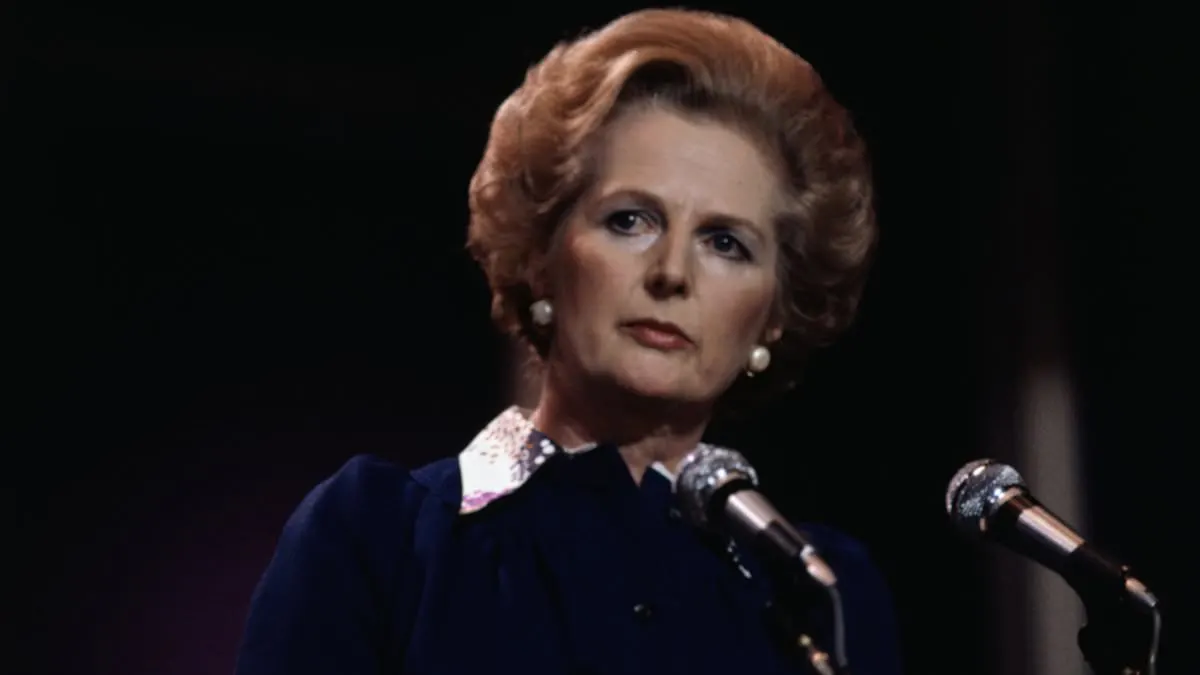
Robert Jenrick has criticised Margaret Thatcher’s government for leaving lasting damage in industrial communities, despite previously praising her as a political heroine and giving his daughter Thatcher as a middle name. His remarks come as he seeks to retain his Newark seat as a Reform MP, and highlight a shift in how he speaks about a former Conservative leader he once admired.
Jenrick said Thatcher’s government helped turn around industries affected by trade unions, poor management and policies pursued by both main parties, but that the changes left communities with a “deep scar”, lost pride and weakened identities. In 2024, during his unsuccessful Conservative leadership bid, he praised Thatcher’s role in the party’s recovery and posed for a photo marking what would have been her 99th birthday. The Conservatives accused him of inconsistency; former farming minister Sir Mark Spencer is set to stand against him in Newark at the next election.
In short
- Jenrick says Thatcher’s policies left industrial communities with lasting scars.
- He previously called her a political heroine and named his daughter after her.
- The Conservatives accuse him of changing his position as he faces a close race.
Steelman: both sides, in good faith
The strongest fair case each way — we don't pick a winner.
The case for
Jenrick’s criticism reflects the view that economic restructuring may have improved some industries while imposing lasting costs on the communities that depended on them. Lost jobs, pride and local identity can persist across generations, so acknowledging that harm is a reasonable way to recognise people’s experience and debate how governments should support places through major economic change.
The case against
Thatcher’s supporters can argue that confronting industries weakened by poor management and restrictive practices was necessary to restore economic viability, even when the transition was painful. They may also say that responsibility for industrial decline spanned governments and that judging the reforms solely by their local costs overlooks the wider economic problems they sought to address.
Explained simply
Margaret Thatcher was Conservative prime minister from 1979 to 1990, a period when her governments reduced the role of trade unions and restructured or privatised several industries. These changes affected towns where much of the work and local identity were tied to mining, manufacturing and other traditional industries.
Robert Jenrick is a politician who represented Newark as a Conservative MP before joining Reform UK. His earlier praise of Thatcher and his later criticism of the effects of her policies have drawn attention because he is now seeking support from voters in the same constituency.
The debate reflects lasting disagreements about how to weigh economic change against its effects on industrial communities. It also matters to Newark’s next election, where Jenrick is expected to face Conservative candidate Sir Mark Spencer.
Read the full article at the source →
Originally published by Daily Mail as “Reform’s Robert Jenrick hits out at Margaret Thatcher for leaving ‘deep scar’ in industrial areas … despite naming his daughter after Tory ex-PM”.