Politics news and discussion on TalkFuse.
Tap water in South West ‘to be rationed’ in plans to stave off Day Zero – when reservoirs run dry
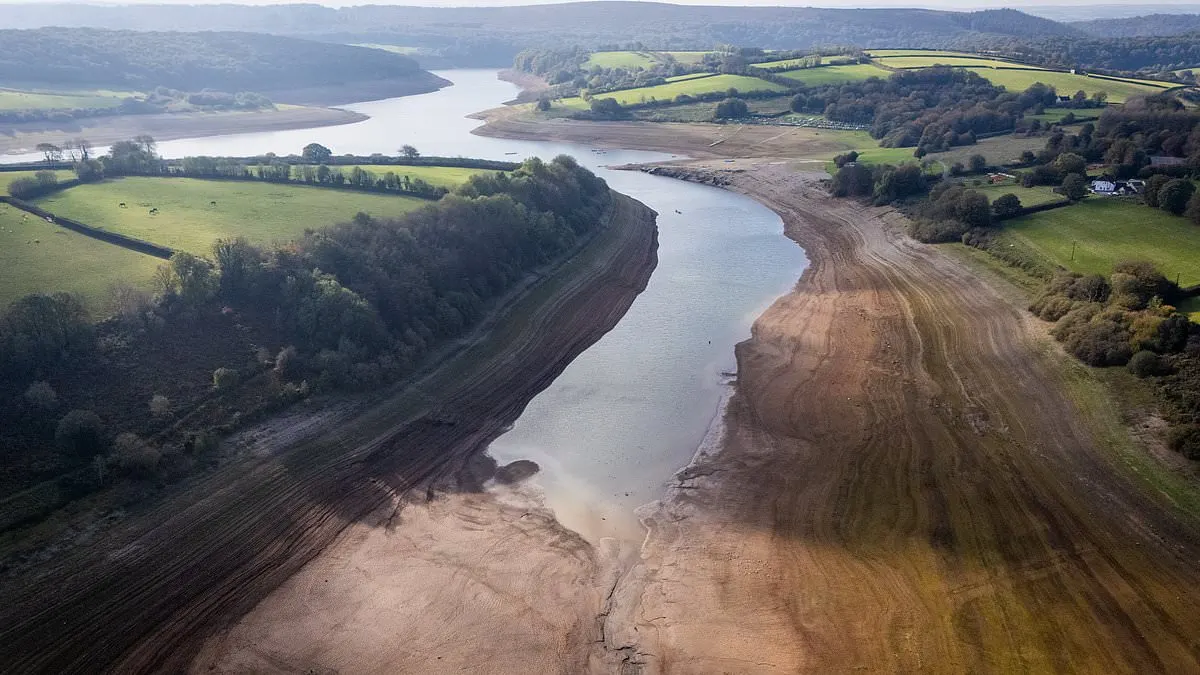
Devon could introduce scheduled interruptions to household and business water supplies if drought conditions worsen, under a plan agreed by 60 organisations. The rota is intended to slow the risk of “Day Zero”, when reservoirs run dry, but council leader Julian Brazil warned that the measures would harm businesses, vulnerable people and schools.
Officials have considered a severe drought scenario in which water stocks could be exhausted within weeks, prompting emergency discussions by Cobra. The article says some affected areas could face three days with water followed by three days without. At the end of October, Wimbleball reservoir was at 13 per cent capacity and Ardingly reservoir at 17 per cent; drought declarations remained in place despite autumn rain forecasts.
In short
- Devon may ration tap water on a rota if drought worsens.
- Some areas could face three days without water at a time.
- Wimbleball was at 13 per cent capacity at October’s end.
Steelman: both sides, in good faith
The strongest fair case each way — we don't pick a winner.
The case for
Scheduled interruptions could be a last-resort way to stretch dwindling supplies and reduce the chance of reservoirs running dry altogether. A planned rota may also help authorities manage limited water more fairly and give households, businesses and public services some notice to prepare.
The case against
Even with advance notice, several days without water could put health and hygiene at risk, particularly for vulnerable people, and disrupt schools and businesses. Critics can argue that authorities should prioritise other emergency measures and protect essential users before imposing such a severe burden on households and the local economy.
Explained simply
Devon relies on reservoirs and other sources to supply homes, businesses and public services. In a prolonged drought, low rainfall and continued demand can reduce stored water faster than it is replenished.
Water companies, councils and emergency services plan together for severe shortages, including how to protect essential supplies and manage demand. Scheduled interruptions would affect daily life and could be especially difficult for schools, businesses and people who need reliable water for health or care.