Culture news and discussion on TalkFuse.
Revealed: Fish, water and pasta are rising fastest in price at Britain’s supermarkets ahead of Christmas – while butter, chocolate and cheese fall
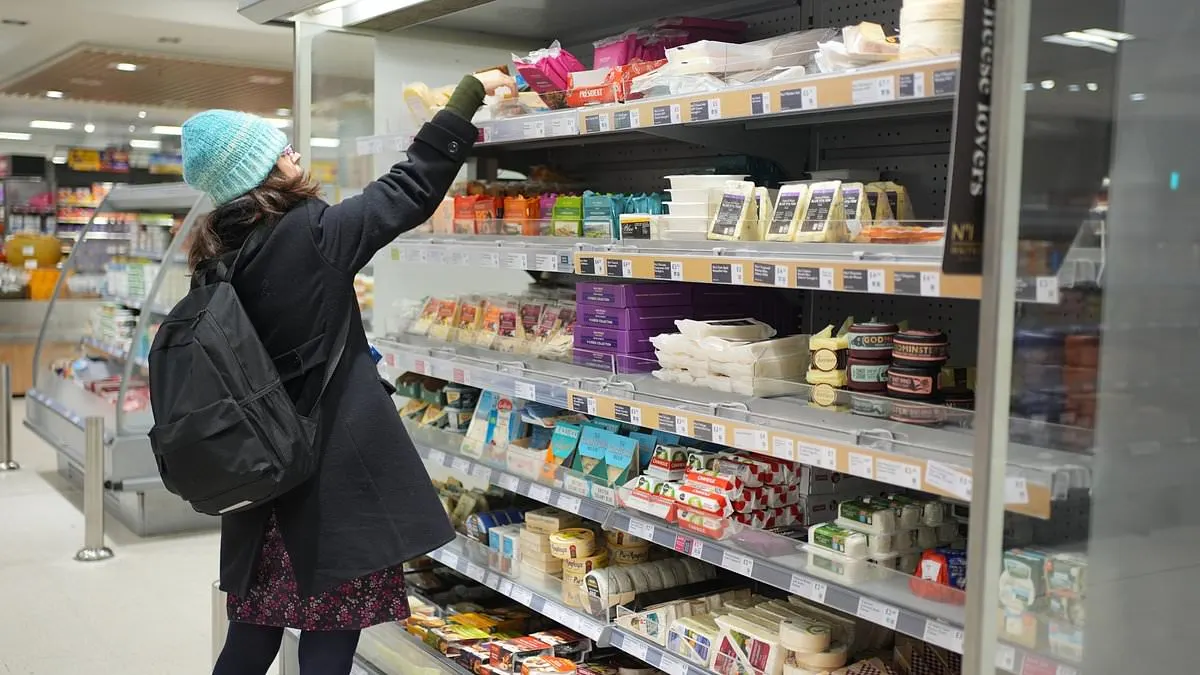
Overall food and non-alcoholic drink inflation slowed to 0.9% in the year to October, but prices varied sharply between products. Fresh and chilled fish rose fastest, while butter and chocolate were among the biggest fallers, showing that the easing overall rate does not mean every supermarket item is becoming cheaper.
Office for National Statistics figures showed prices rose in 30 of 49 food categories: fresh fish was up 13.2%, mineral or spring water 9.8% and pasta and couscous 7.5%. Butter fell 9.4%, chocolate 3.9% and cheese 3.8%. Separately, overall UK inflation edged up to 3.6% in October, while food industry representatives warned that continued supply-chain cost pressures could lead to higher food inflation later.
In short
- Food inflation slowed to 0.9% in October.
- Fresh fish rose 13.2%, the biggest increase.
- Butter prices fell 9.4%, the largest drop.
Explained simply
Food prices are measured by the Office for National Statistics, which tracks changes across a range of supermarket products. Its figures distinguish between the overall rate of food inflation and the prices of individual items, which can move in different directions.
The figures cover Britain’s wider food market, including producers, suppliers and retailers. Costs such as ingredients, transport and energy can affect what shoppers pay, though the effect varies by product.
Food makes up part of the UK’s wider inflation measure, which tracks changes in the cost of everyday goods and services. Food price changes matter to household budgets, but the overall rate alone does not show how the cost of a particular shopping basket may change.