World news and discussion on TalkFuse.
Mexico halts Christie’s auction of Frida Kahlo work
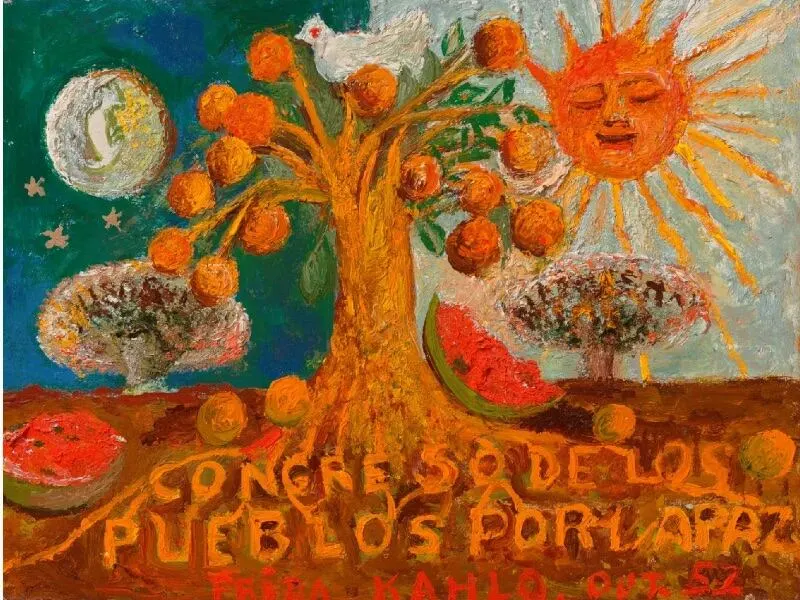
Mexico has halted the planned Christie’s auction of a Frida Kahlo painting while it seeks full information about the work’s provenance. The dispute matters because campaigners say the painting belonged to the legacy Diego Rivera left to Mexico, while the government’s position on whether export restrictions apply depends on when it left the country.
Titled *Congress of Peoples for Peace*, the work is dated October 1952 and was made in support of a movement opposing the Korean War and weapons of mass destruction. Mexico’s fine arts institute initially said it had left the country before a 1984 decree protecting Kahlo’s work, reportedly travelling to Vienna in 1952; Christie’s records say it returned to Mexico in 1953 for Kahlo’s first exhibition. The painting was due to be offered in New York for between $2 million and $3.5 million, but the institute has asked for the sale to be postponed while the history is clarified.
In short
- Mexico has asked Christie’s to postpone the Kahlo painting auction.
- The work was estimated at $2 million to $3.5 million.
- Conflicting records leave its export history unclear.
Steelman: both sides, in good faith
The strongest fair case each way — we don't pick a winner.
The case for
Mexico is justified in pausing the sale while it establishes the painting’s provenance: if the work formed part of Diego Rivera’s legacy to the country, or was subject to export protections, its sale may conflict with cultural heritage obligations. Clarifying the conflicting accounts of when it left Mexico helps protect the public interest and ensures any eventual sale proceeds on a sound legal and historical basis.
The case against
A pause may be seen as premature if the painting left Mexico before the 1984 protections took effect and there is not yet clear evidence that it belonged to Rivera’s bequest. Christie’s and the work’s owners have a legitimate interest in a timely sale, and uncertainty about the record alone need not establish that the transaction is unlawful; the provenance should be assessed promptly and under the rules that applied at the relevant time.
Americas Government Politics World