Technology news and discussion on TalkFuse.
England’s vulnerable people to receive joined-up NHS and social care support
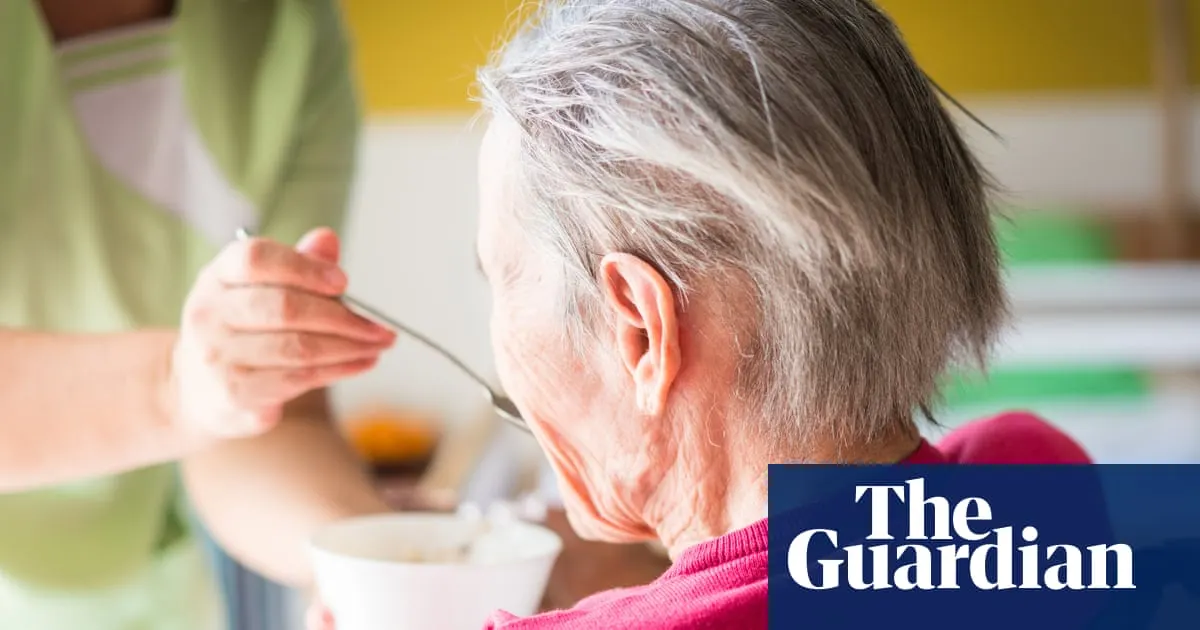
Yvette Cooper has announced joined-up NHS and social care teams to provide proactive, personalised support for some of England’s most vulnerable people. The scheme is presented as an initial step towards a national care service and aims to help people stay well and receive care at home or in care homes, easing pressure on hospitals.
About 500,000 people, including older people, care home residents, people with dementia and those nearing the end of life, are expected to benefit by next April; the scheme could eventually reach around 2 million. Teams will arrange regular health check-ins and individual care plans, with a 24-hour helpline also planned, though its start date is unclear. Cooper said the fully developed approach could cut 4.3 million hospital bed days and reduce corridor care.
In short
- New joint care teams will support 500,000 vulnerable people by next April.
- The scheme could eventually reach around 2 million people.
- The government says it could cut 4.3 million hospital bed days.
Steelman: both sides, in good faith
The strongest fair case each way — we don't pick a winner.
The case for
Joined-up teams could help vulnerable people get timely, personalised care where they live, reducing fragmented support and avoiding hospital stays that might otherwise be prevented. Regular check-ins and a 24-hour helpline may also give families and care staff clearer routes to help, while easing pressure on hospitals.
The case against
The proposal’s benefits depend on having enough staff, funding and coordination across services that are already stretched; without these, new plans and check-ins may add work without improving care. The expected reductions in hospital bed days are projections, and a national approach could prove costly or divert resources from other priorities unless its impact is demonstrated.
Explained simply
In England, the NHS provides medical care, while councils arrange much of the support people need with daily life, including help at home and in care homes. These services have often been planned separately, even when someone needs both.
Older people and those with dementia or serious illness may need regular help from health and care workers to stay well. When support is hard to arrange, their needs can worsen and they may end up in hospital; longer stays can also leave fewer beds available for others.
Yvette Cooper is the minister responsible for health and social care policy in England. The proposed national care service is a longer-term plan to improve how care is organised, and closer work between NHS and council teams is one approach being explored.
Politics Software Technology UK World
Read the full article at the source →
Originally published by The Guardian as “Yvette Cooper announces new health support for most vulnerable people in England”.