Politics news and discussion on TalkFuse.
Upper Tooting Road tops list of London junctions with most cycling collisions
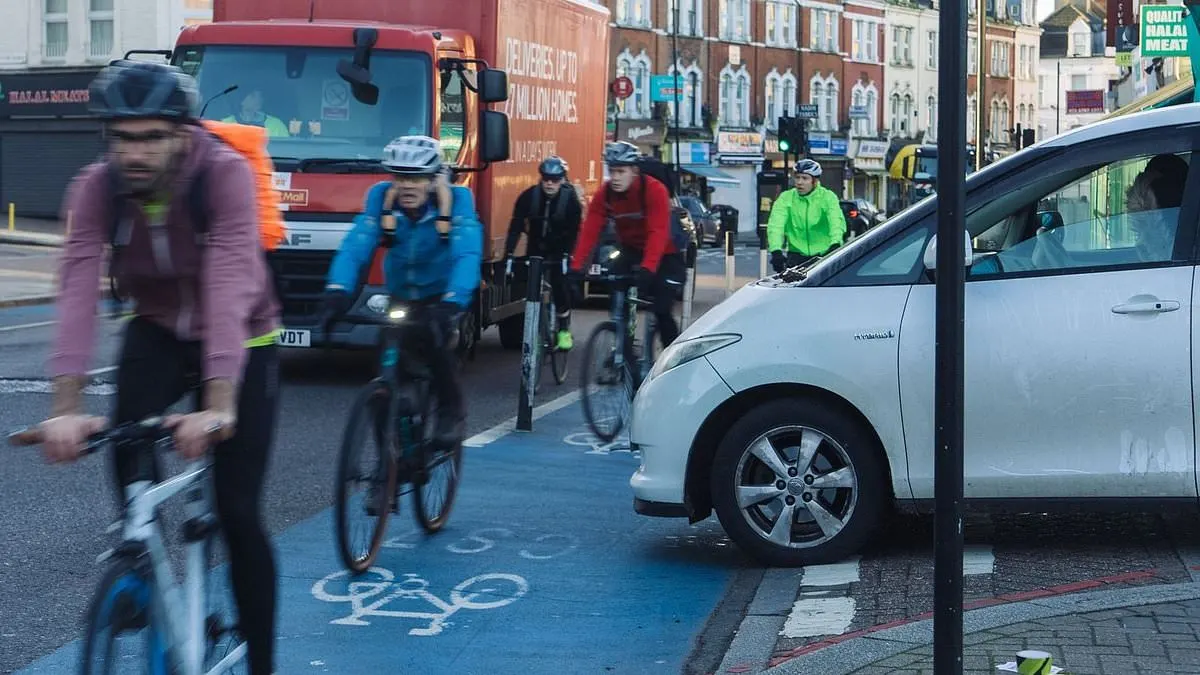
Campaigners have identified London’s 20 junctions with the most reported cycling collisions over five years and are calling for stronger protection for people cycling and walking. The findings highlight the risks at busy junctions and add pressure on Transport for London and boroughs to improve road safety.
Upper Tooting Road in Wandsworth ranked worst for the fourth year running, with 27 collisions: eight serious and 19 slight. The junction of Broad Lane, West Green Road and High Road in Haringey had 18 collisions, followed by a multi-road junction in Hackney. Campaigners want more junctions with protected signal phases; TfL says it is investing more than £150 million in street improvements and working on 48 Safer Junctions.
In short
- Upper Tooting Road had 27 cycling collisions in five years.
- Campaigners want more protected junction designs.
- TfL says £150 million is being invested in safer streets.
Steelman: both sides, in good faith
The strongest fair case each way — we don't pick a winner.
The case for
Campaigners can argue that repeated collisions, including serious injuries, show that the design of high-risk junctions needs to change. Protected signal phases and other safety measures could reduce conflicts between road users and make walking and cycling safer, supporting wider access to these forms of travel.
The case against
TfL and boroughs can argue that junction improvements require careful planning, funding and coordination, and that a collision ranking alone does not establish which intervention will work best at each site. They may favour targeted, evidence-led changes across the network, noting TfL’s investment in street improvements and its work on 48 Safer Junctions.
Explained simply
London’s roads are managed by Transport for London and the city’s borough councils, which share responsibility for junctions and safety measures. Busy junctions bring cyclists, pedestrians and motor traffic together, and collisions recorded there can range in severity.
Campaign groups use collision data to identify places where people cycling may face particular risks and to press for changes. Protected signal phases give cyclists or pedestrians time to cross separately from turning motor traffic; TfL and boroughs can also make physical changes to streets and junctions.
Read the full article at the source →
Originally published by Daily Mail as “Map reveals London’s 20 most dangerous junctions for cyclists as 23,000 people injured on the capital’s roads last year”.