Politics news and discussion on TalkFuse.
Kemi and Andy put another nail in the coffin of his consensus politics | John Crace
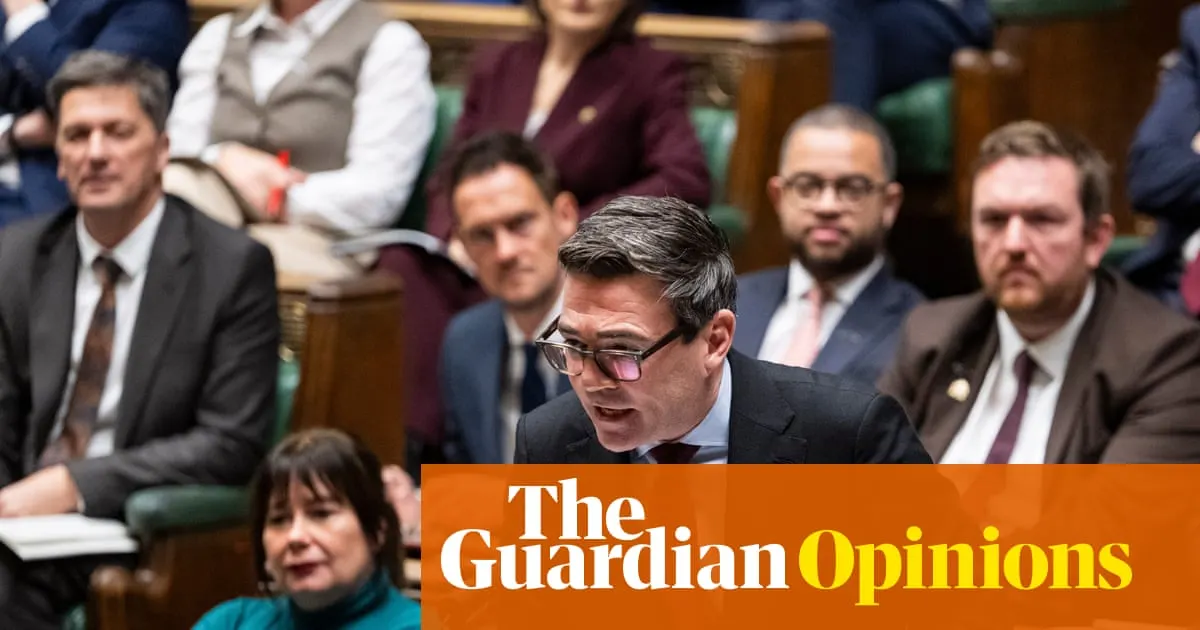
The article argues that Prime Minister Andy Burnham’s promise of a more consensual style of politics has already faltered in his exchanges with Conservative leader Kemi Badenoch at Prime Minister’s Questions. The writer portrays their weekly clashes as largely performative and low-stakes, with both leaders playing to their own supporters rather than making progress on policy.
Badenoch challenged Burnham over welfare spending and young people not in education, employment or training, asking when the benefits bill would fall and why government action takes so long. Burnham began to explain that changes could reduce some young people’s benefits while increasing support to help them return to work, but the exchange turned to accusations and point-scoring. The article says Badenoch has yet to expose a clear weakness in Burnham, while suggesting the confrontational routine suits him.
In short
- Burnham’s promise of cross-party consensus is under strain.
- PMQs exchanges with Badenoch have become performative and combative.
- Welfare spending and support for young people were central topics.
Steelman: both sides, in good faith
The strongest fair case each way — we don't pick a winner.
The case for
A consensual approach to politics can help build trust and make difficult reforms more durable, so the sharp, performative exchanges at Prime Minister’s Questions may be a missed opportunity. Badenoch’s questions about welfare spending and young people out of work are legitimate scrutiny, and voters could reasonably expect a clear account of when costs will fall and how support will help people into employment.
The case against
Prime Minister’s Questions is a public forum for testing the government, and pointed exchanges can make disagreements over welfare and employment visible to voters. Burnham’s explanation suggests the policy involves trade-offs between reducing some benefits and expanding help to return to work; asking for direct answers and challenging delays need not rule out consensus on policy.
Explained simply
Prime Minister’s Questions is the weekly session in the House of Commons where the prime minister answers questions from MPs, including the leader of the main opposition party. Kemi Badenoch leads the Conservatives, while Andy Burnham is prime minister; their exchanges are a regular chance to challenge the government in public.
Welfare spending covers government support such as benefits, and the term “not in education, employment or training” describes young people who are not studying, working or training. Debates about these issues involve questions about public spending and how people can be supported into work.