Technology news and discussion on TalkFuse.
AI-driven security patches overwhelmed US government and financial systems
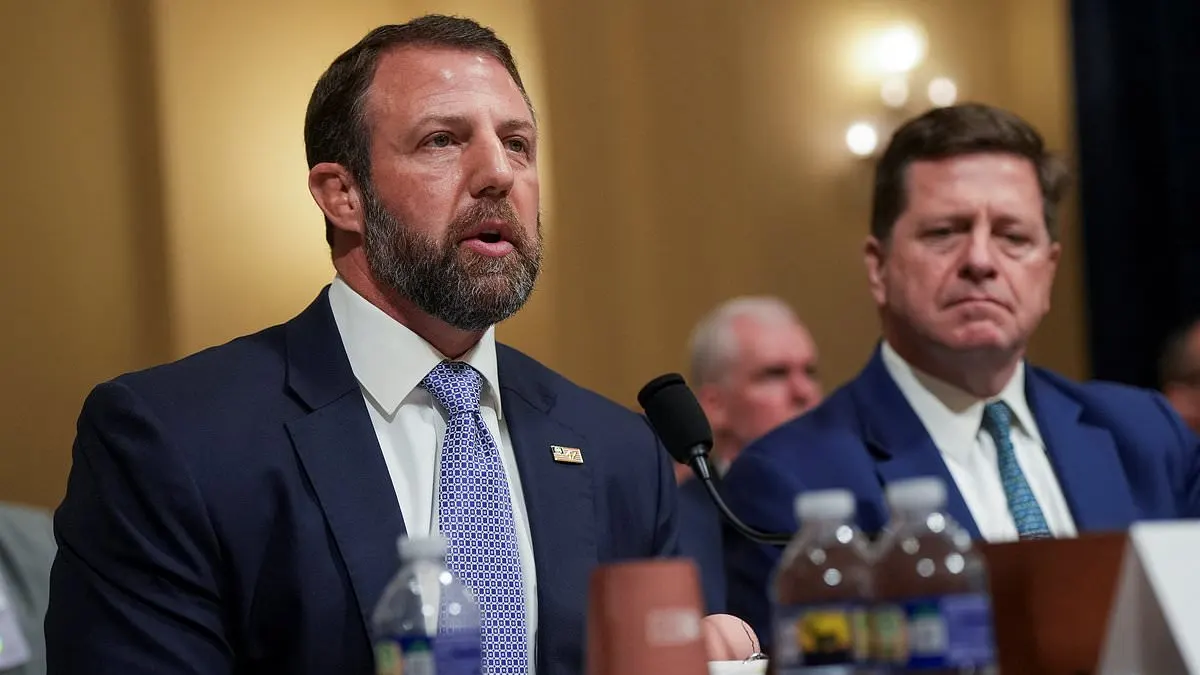
A wave of technology outages hit US government, financial and transport systems over the past week, including Microsoft services, airline operations, JPMorgan Chase and the NSA’s classified network. While senior officials publicly said the incidents appeared to be separate maintenance failures rather than a coordinated cyber-attack, sources say private briefings to Congress linked them to urgent security patching prompted by vulnerabilities found using AI.
The reported concern is that many patches were applied so quickly that they temporarily overwhelmed systems. The NSA’s NSANet went down on Tuesday, and officials attributed the failure to a patch for vulnerabilities identified the previous month; restoring the network was reportedly slower than expected. Separately, Google warned that autonomous AI could help hackers identify flaws disclosed in software updates, while the FBI said criminals had used an AI-driven tool to target banks, government agencies, energy firms and hospitals.
In short
- Officials say the outages were separate maintenance failures.
- Sources link them to rapid patching of AI-flagged vulnerabilities.
- Security experts warn AI could also help hackers exploit software flaws.
Steelman: both sides, in good faith
The strongest fair case each way — we don't pick a winner.
The case for
Rapidly applying patches can be justified when newly identified vulnerabilities could expose government, financial and transport systems to serious harm. If AI is helping attackers find weaknesses faster, delaying fixes may leave critical services and sensitive information at greater risk, so officials may reasonably prioritise protection even when updates disrupt operations temporarily.
The case against
Urgent patching can itself create significant risks when changes are deployed faster than complex systems can be tested and coordinated. Outages affecting essential services may harm the public and weaken confidence, so critics can reasonably argue that agencies should use staged roll-outs, stronger resilience measures and clearer public explanations rather than accept avoidable disruption.
Explained simply
Security patches are updates to software that fix weaknesses hackers might exploit. Large organisations, including government departments, banks and transport companies, rely on complex computer networks, so changes to one part can affect other services.
Artificial intelligence can help security researchers find software flaws, and it can also help attackers look for weaknesses. When a serious flaw is identified, organisations may rush to install a patch, but updates need to work with existing systems and are often tested before wider use.
US government agencies, financial firms and transport operators manage services used by millions of people. Disruptions can affect communications, travel and access to money, while reports of AI-assisted attacks have raised questions about how organisations can secure systems without causing outages.
Cybersecurity Government Politics Technology World
Read the full article at the source →
Originally published by Daily Mail as “Inside the secret briefings where top spies and Wall Street bosses told Congress what really crashed their systems”.