Health news and discussion on TalkFuse.
Palmer Luckey Says He’s Building an Offshore Haven for Industry—And ‘Illegal’ Medicine
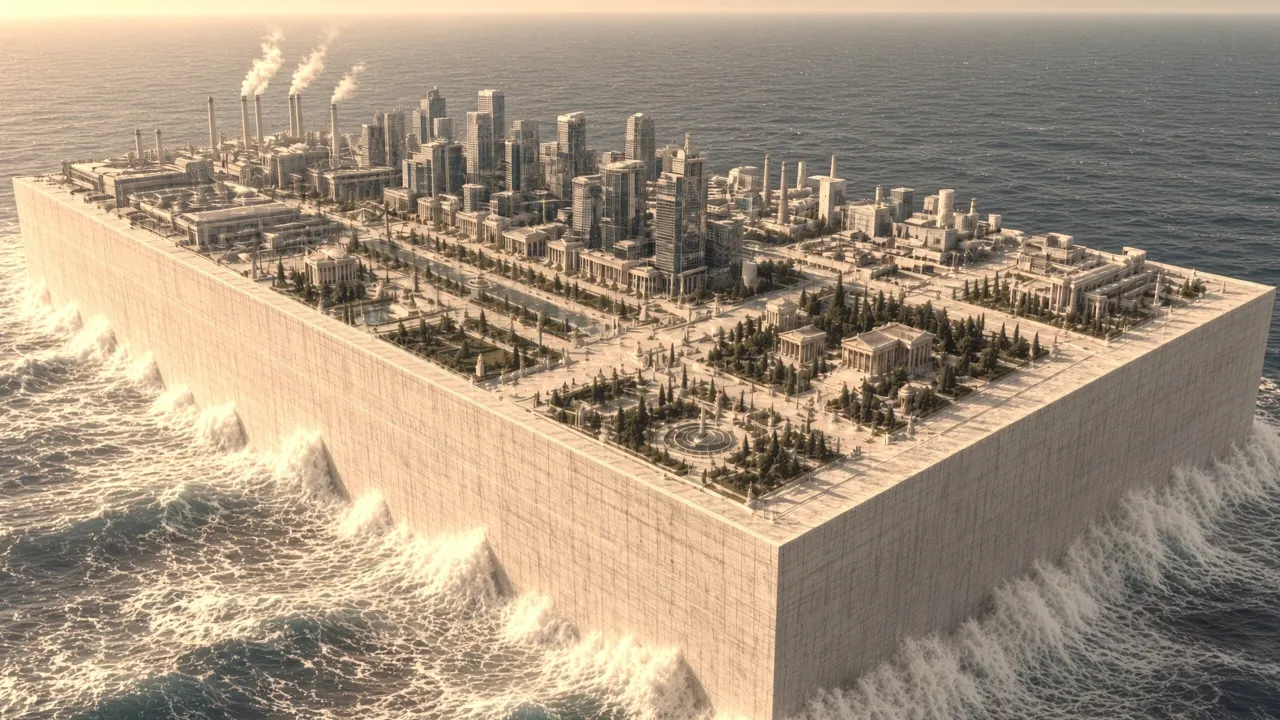
Palmer Luckey, the billionaire behind Oculus and Anduril, has unveiled SLAB, a proposed offshore industrial platform intended to let businesses operate with fewer state and local regulations. He says it could host activities including metal processing, oil refining and medical research, and describes it as a way to strengthen American industry rather than leave the United States.
Luckey says he and investors valued the project at $1 billion in 2017, and that he has financed it with proceeds from Facebook’s purchase of Oculus. The announced image was AI-generated, and the article notes that SLAB’s actual form and progress remain unclear. Luckey has also said he wants a place to offer “safe but currently illegal medicine”, but offshore construction would not automatically remove US or maritime law: jurisdiction depends on location and other factors, while US-supported clinical studies must meet ethical and informed-consent standards.
In short
- Luckey revealed plans for an offshore industrial platform called SLAB.
- He says it could host industry and medical research with fewer local rules.
- Offshore operations would still face US and maritime laws.
Steelman: both sides, in good faith
The strongest fair case each way — we don't pick a winner.
The case for
Supporters could argue that an offshore platform with carefully tailored rules might let industry and medical research proceed more quickly, attract investment and test approaches that are difficult to pursue under existing regulations. If it strengthens domestic supply chains and research, they may see it as a way to advance American industry while retaining safeguards suited to the risks.
The case against
Critics could argue that creating a regulatory haven risks weakening protections for workers, the environment and patients, especially if oversight is designed around what companies find restrictive. They may also question whether the project can deliver its promised benefits: offshore location does not itself remove applicable law, and the platform’s design and progress remain unclear.
Explained simply
Offshore platforms are structures built at sea for activities such as energy production or research. Their legal status depends on where they are located and which countries’ laws apply, so being offshore does not automatically put a project beyond government oversight.
Palmer Luckey founded Oculus, a virtual-reality company later bought by Facebook, and now leads defence technology firm Anduril. SLAB is his proposed industrial platform, described as a place for businesses to carry out work such as metal processing, refining and medical research with fewer state and local rules.
The project raises questions about how industrial and medical activity at sea would be regulated and monitored. Clinical research supported by the US must follow ethical rules, including informed consent, and an offshore location alone does not settle which laws apply.